
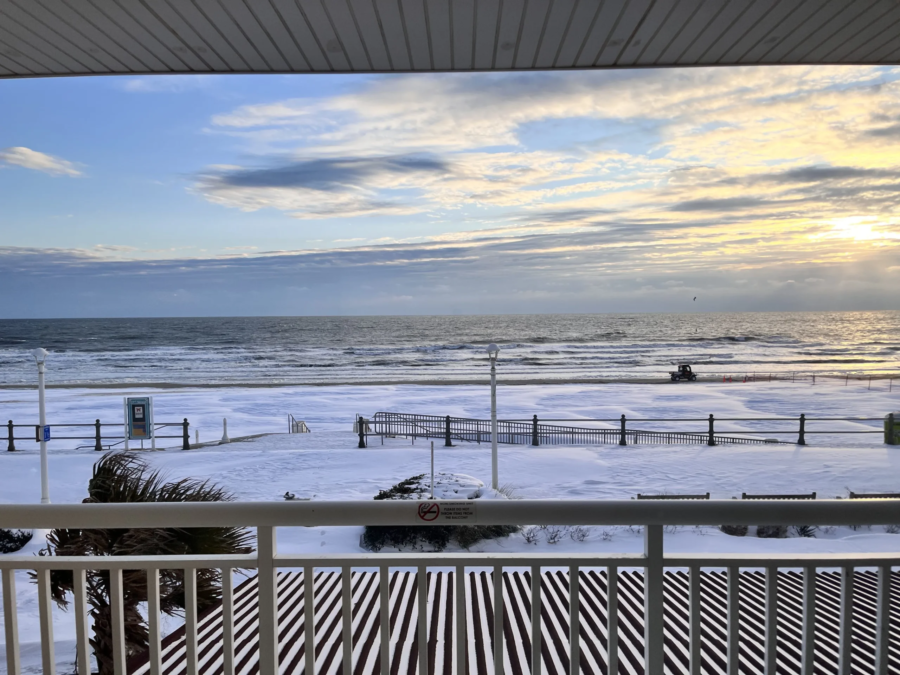
Winter in Virginia Beach brings a unique mix of coastal charm and seasonal change. While snow is rare, residents and visitors still face brisk winds, chilly temperatures, and occasional rain showers that shape daily life. Understanding the city’s winter weather is essential for safe travel, outdoor activities, and planning your day.
Virginia Beach’s climate is influenced by its coastal location on the Atlantic Ocean. Ocean breezes moderate temperatures, keeping winters milder than inland areas, but they can also make it feel colder than the thermometer suggests. Rain is more common than snow, and even small cold fronts can create icy patches overnight.
Knowing what to expect from the forecast allows residents, tourists, and commuters to stay prepared. From daily attire to travel planning, understanding Virginia Beach’s winter weather ensures comfort, safety, and a smoother experience navigating the season’s changing conditions.
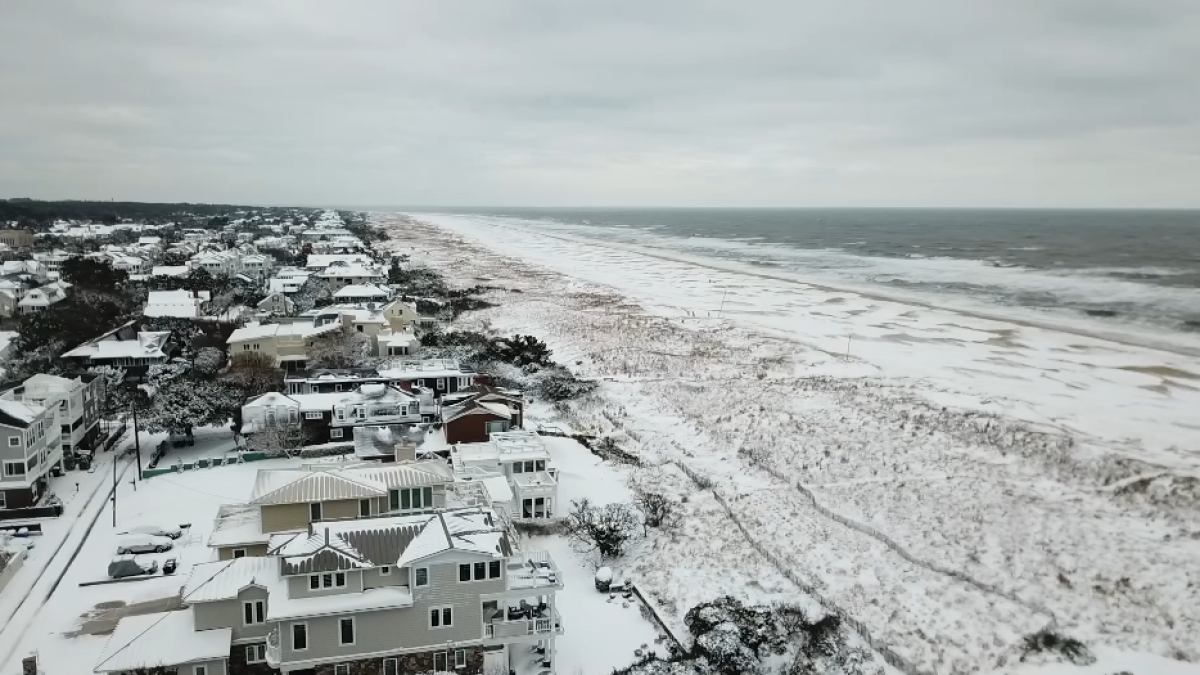
Current Weather Conditions
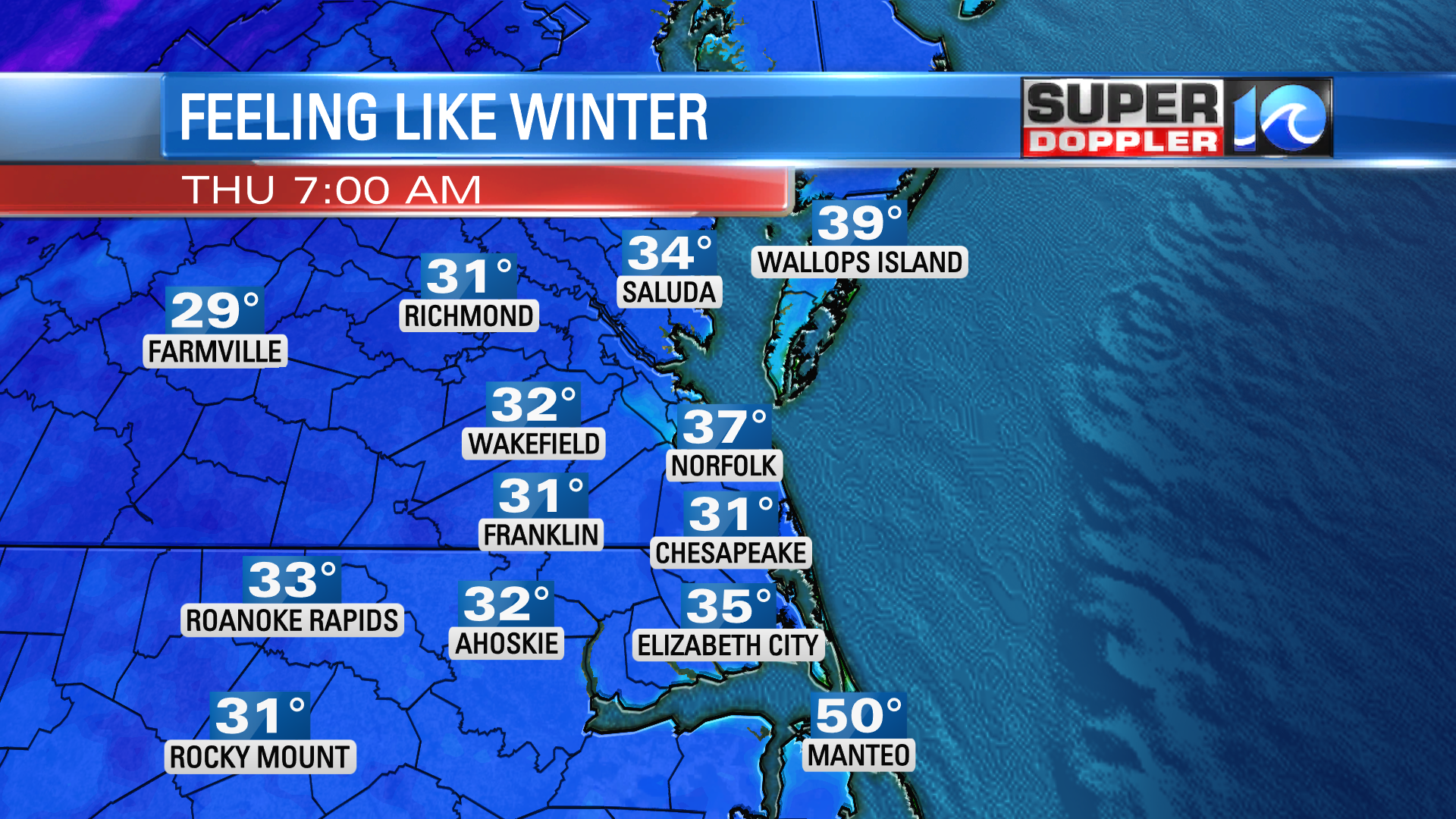
As of the latest reports, Virginia Beach is seeing cool winter weather with mostly cloudy skies and temperatures hovering in the 30s to mid‑40s °F. Humidity is moderate, and winds are relatively light, making outdoor conditions feel brisk but typical for late December. While snow is rare in the city itself, rain and chilly temperatures dominate this time of year, with occasional cloudy periods and mild precipitation possible.
Typical Winter Pattern in Virginia Beach
Winter in Virginia Beach is generally cool but not severe compared with inland parts of Virginia. Average winter high temperatures often stay in the upper 30s to low 50s °F, while lows dip into the 30s at night. Snowfall tends to be light when it does occur and usually melts quickly when it reaches the ground. Rain is more common than snow, especially during late fall and winter systems pushing moisture ashore from the Atlantic.
Daily Forecast Snapshot
The weather through the next several days will feature a mix of clouds, occasional sunshine, and brisk winds. Temperatures are expected to stay cool but near average, with highs generally in the 40s to low 50s °F and lows in the 30s. Periods of light rain or overcast skies are possible at times, especially during frontal passages, but significant storm systems are not forecast at this time.
Wind and Coastal Influences
Virginia Beach’s coastal location means winds off the Atlantic can influence daily temperatures and comfort levels. Even when the actual air temperature is mild, ocean breezes can make it feel cooler, especially in the mornings and evenings. This is especially noticeable near the boardwalk, beach area, and open water, where winds can be stronger and more persistent than inland.
Rain and Precipitation Trends
Rainfall in Virginia Beach is fairly consistent through the year, with December usually seeing several days of light to moderate rain. Snow remains uncommon, with only a few flurries or light dustings possible in some winters. Because the city is at sea level and close to the ocean, snow accumulating significantly is rare, and most.

What to Expect This Season
The remainder of winter is expected to stay true to these patterns: cool temperatures, mainly cloudy periods, and a few brief rainy days. The likelihood of heavy snowfall is low, but residents should stay alert for any late‑season winter weather advisories, frost, or coastal wind events. Colder snaps with brisk winds can make it feel significantly chillier than the thermometer suggests, especially overnight or by the shoreline.
Daily Life and Weather Preparedness
Because Virginia Beach winters are milder than many inland cities, daily life is usually less disrupted by weather than in snowy regions. Still, dressing in layers and preparing for wind chill is wise when heading outdoors.
Drivers should also stay informed when temperatures approach freezing, as wet roads can become slick during overnight or early morning hours.
Seasonal Weather Tips
Stay updated: Regularly check local forecast sources and mobile weather alerts for changes.
Dress for conditions: Layered clothing, hats, and wind‑resistant jackets help combat chilly winds.
Prepare your home: Ensure heating systems are functioning and outdoor hoses/irrigation are winterized.
Travel considerations: Even if snow is unlikely, rain and wind can affect visibility on the highway or by the shore.
Oceanfront and Beach Considerations
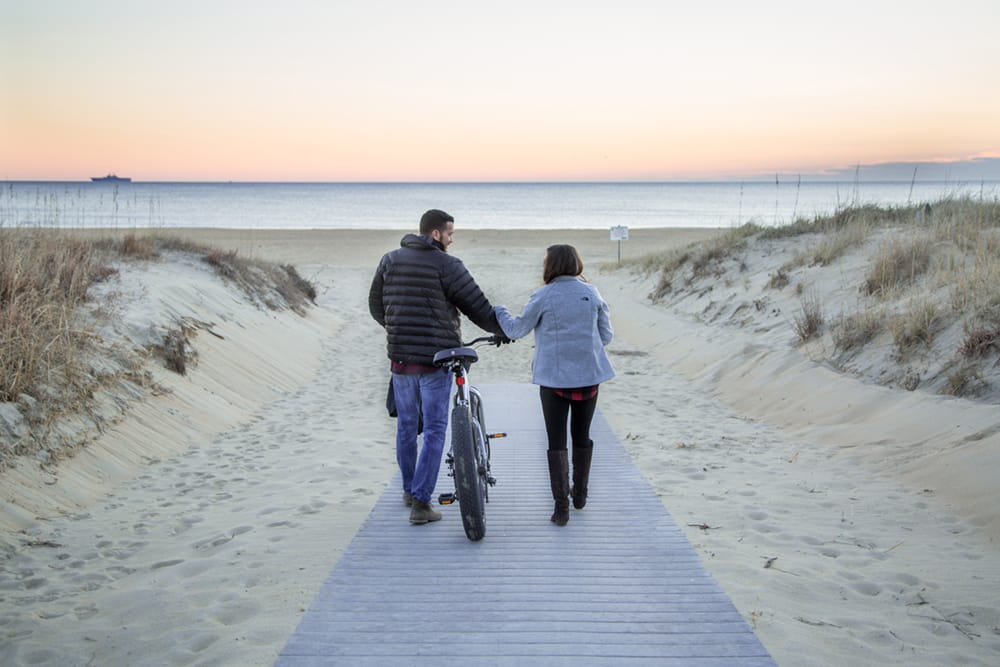
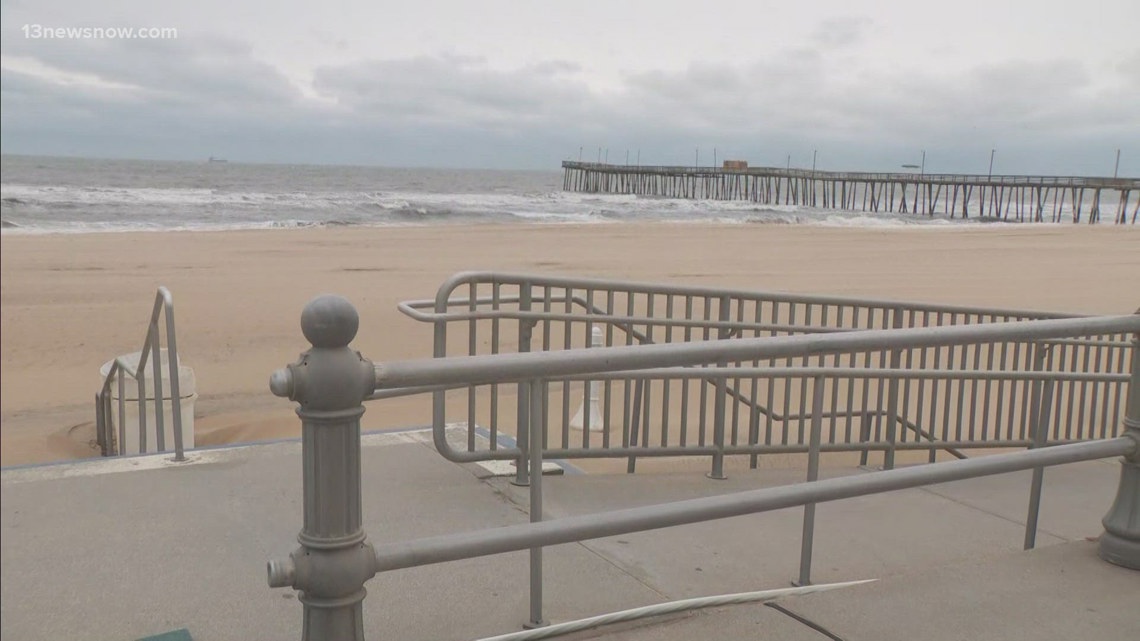
For those visiting the Virginia Beach Oceanfront or boardwalk areas in cooler months, be aware that winds from the Atlantic can feel stronger near the water.
This coastal influence often makes beach areas slightly colder than inland zones.
Although water temperatures are much cooler in winter, beach walks and outdoor recreation remain possible with appropriate clothing.
Extended Outlook
Looking ahead beyond the immediate forecast, seasonal patterns suggest continued cool weather through late December into January. Daytime highs may fluctuate with passing systems, but overall temperatures should remain within typical winter ranges for the region. Precipitation will likely continue as rain rather than snow, with light showers or overcast days alternating with clearer periods.
Weather Preparedness for Residents and Visitors
Whether you live in Virginia Beach year‑round or are visiting during the winter season, understanding local weather patterns can enhance safety and comfort. Keep an eye on updated forecasts, especially if planning outdoor activities like beach visits or coastal walks.
For special weather events, such as strong storms or nor’easters, city emergency alerts and services offer guidance and warnings to help residents prepare.
Conclusion
Virginia Beach’s weather is a blend of coastal moderation and seasonal variation.
Winters are cool but not typically severe, with more rain than snow, and temperatures that support outdoor activity with proper preparation.
Staying informed about changing weather, understanding local patterns, and planning ahead will help you make the most of life in this popular coastal city. Whether you’re checking in for travel, work, or daily routines, knowing what to expect from the forecast ensures safety and peace of mind as Virginia Beach heads deeper into winter.