
Colorado Snowfall in the Last 24 Hours

Colorado Snowfall in the Last 24 Hours

Snowfall is the amount of snow that falls in a certain period. Tracking snowfall helps people plan their travel, daily activities, and winter sports. In Colorado Snowfall in the Last 24 Hours, mountain areas often receive heavy snow, while cities and lower regions get very little. Knowing snowfall amounts helps residents, tourists, and outdoor enthusiasts prepare for changing winter conditions.

Colorado winters are famous for snow-covered mountains, ski trips, and fun snow activities. In the last 24 hours, people across the state have been checking how much snow actually fell. Snowfall in Colorado can vary a lot depending on whether you are in the mountains or in the cities.

Colorado Snowfall in the Last 24 Hours, Over the past 24 hours, snowfall was mostly concentrated in the high mountains. Ski resorts and alpine areas got fresh inches of snow, while cities and valleys saw very little. This guide explains where snow fell, how it affects people, and why it is important for nature, water, and recreation.
Colorado Snowfall in the Last 24 Hours
Screenshot

Snow in the Mountains

The Colorado mountains always get more snow than the cities. Cold temperatures and higher elevations make snow fall more heavily.

Ski Resorts Report Fresh Snow

Ski resorts received the most new snow in the past 24 hours.

  • Loveland Ski Area: approximately 3–11 inches of fresh snow.
  • Arapahoe Basin: around 7 inches of new snow.
  • Other mountain areas: light snow, enough to cover trails and slopes.

This fresh snow is excellent for skiing, snowboarding, and other winter sports. Even small amounts make the slopes softer and safer for recreational activities.
Colorado Snowfall in the Last 24 Hours

Why Mountains Get More Snow

Mountains force clouds to rise, causing moisture to fall as snow. Higher elevations are colder, which helps the snow stick to the ground. Meanwhile, valleys and plains remain warmer, so they receive less snowfall. This is why mountains often get the most winter snow.

Snow in Cities and Lower Areas

Lower cities and towns like Denver, Colorado Springs, and Pueblo saw only small amounts of snow.

  • Light flurries or dusting in most areas.
  • Streets remained clear, and travel was mostly safe.
  • Snow accumulation was negligible in urban areas.

Lower elevations are warmer and less likely to get heavy snow. Snow that does fall often melts quickly in cities, leaving very little on the ground.
Colorado Snowfall in the Last 24 Hours

How Snow Affects Daily Life

Snow is fun for outdoor activities but can also cause challenges.

  • Fresh snow is great for skiing, snowboarding, and hiking.
  • Roads in mountain areas can be slippery, requiring careful driving.
  • Schools or workplaces might adjust schedules if heavy snow occurs.
  • Travelers should always check weather updates before heading out.

Even small amounts of snow can make roads dangerous, so it is important to plan trips carefully during winter storms.
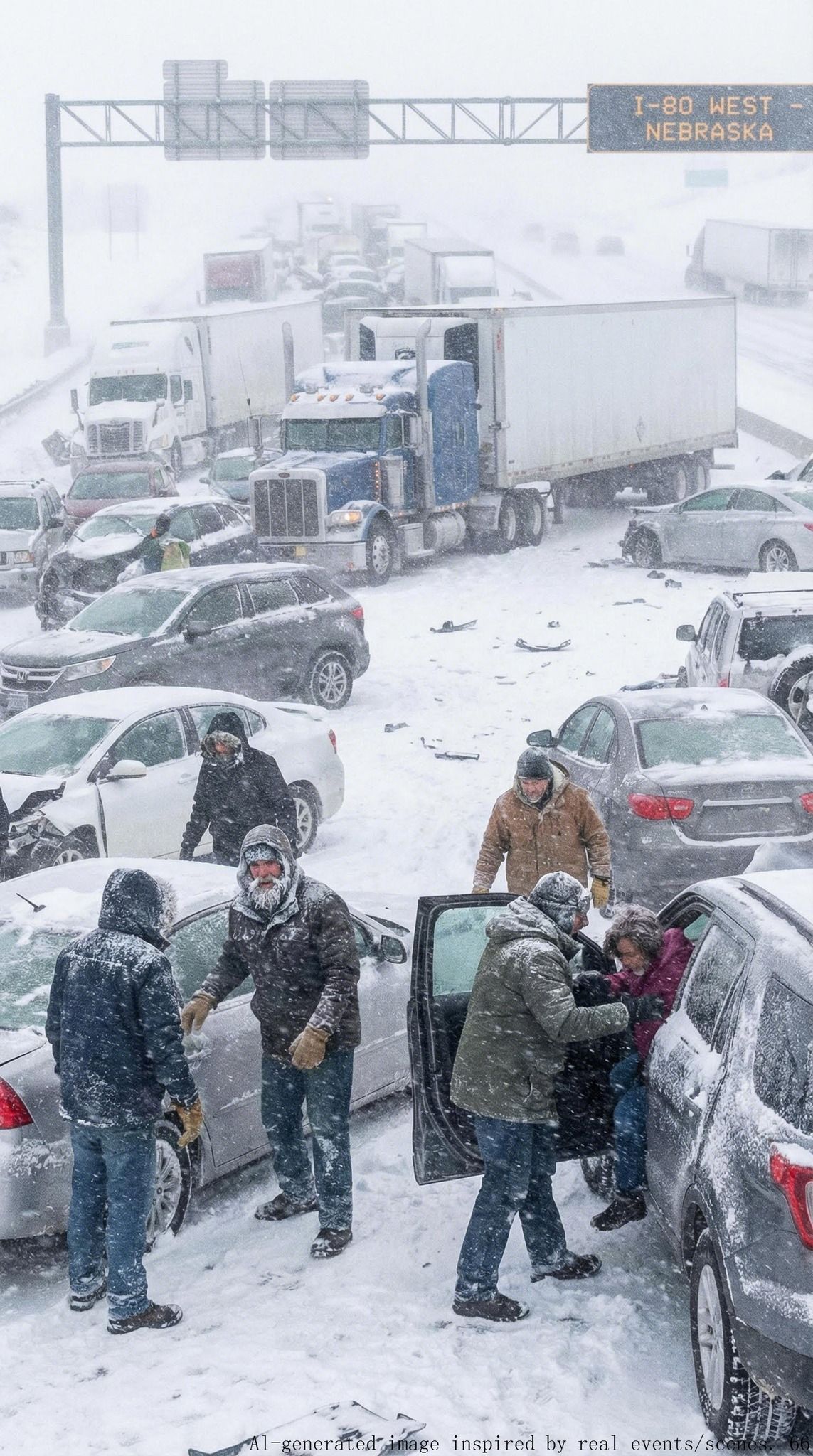
Colorado Snowfall in the Last 24 Hours

Snowfall and Nature

Snowfall is not just for fun; it is important for the environment and water supply.

  • Snowpack, the amount of snow on mountains, feeds rivers, lakes, and streams during spring and summer.
  • Fresh snow insulates plants and wildlife from extremely cold temperatures.
  • Snowfall helps maintain Colorado’s natural ecosystem and water resources.

The new snow reported in the last 24 hours contributes to the snowpack, which is essential for agriculture, drinking water, and natural habitats.

Colorado Snowfall in the Last 24 Hours

Weather Patterns and Forecast

Colorado’s weather changes rapidly, and snow patterns can shift quickly.

  • Storms often move from west to east, bringing snow to the mountains first.
  • Cities may see only light flurries while mountain areas get heavy snow.
  • More snow is expected in the coming days, especially in the high-altitude regions.

It is important for residents and travelers to monitor weather updates to stay safe. Checking snowfall reports from local ski resorts can also help winter sports enthusiasts plan their trips.
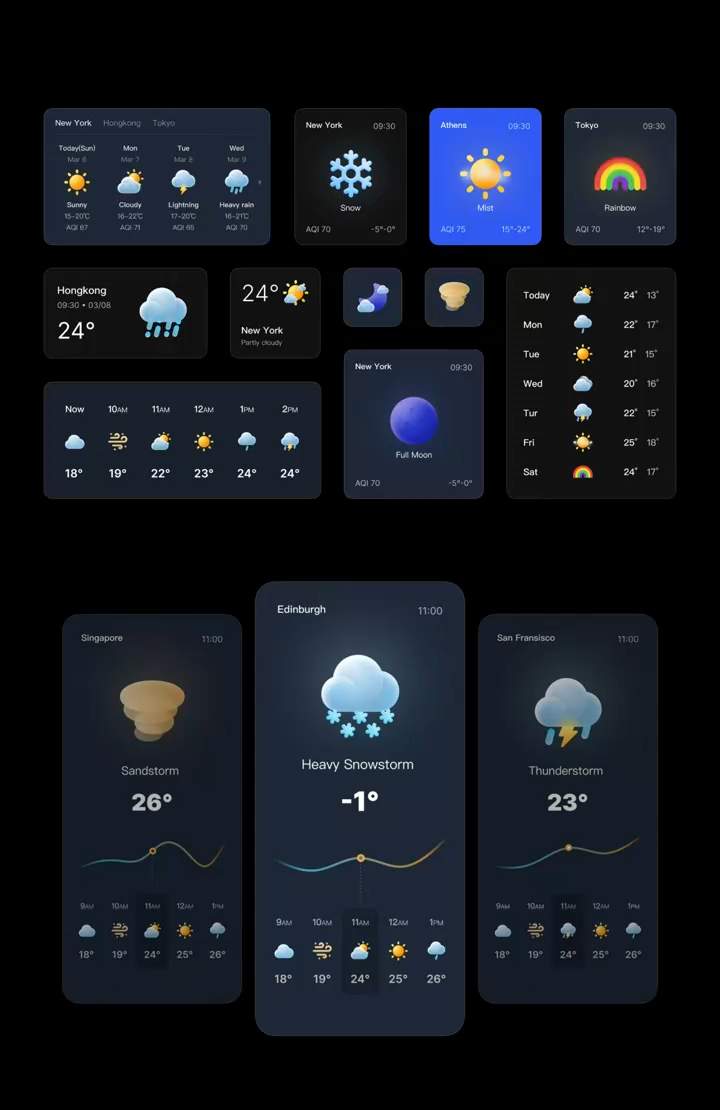
Colorado Snowfall in the Last 24 Hours

Conclusion

In the last 24 hours, Colorado received fresh snow mainly in the mountains. Ski resorts like Loveland and Arapahoe Basin reported several inches, improving conditions for skiing and snowboarding. Cities and lower areas saw only light snow or dusting, leaving streets clear. Snowfall is important for recreation, safety, and natural water supply. Winter in Colorado is active, and more snow is expected in the coming days. Staying informed with weather updates ensures residents and visitors can enjoy winter safely and fully.
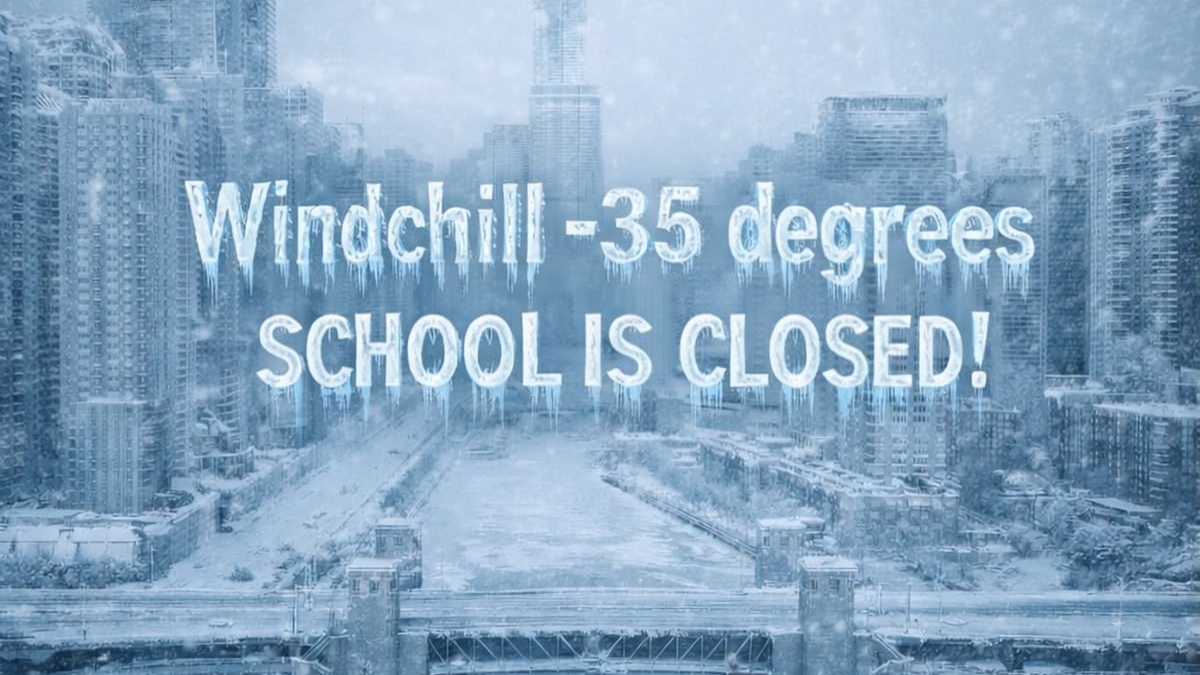
School Closings tomorrow in Michigan

School Closings tomorrow in Michigan

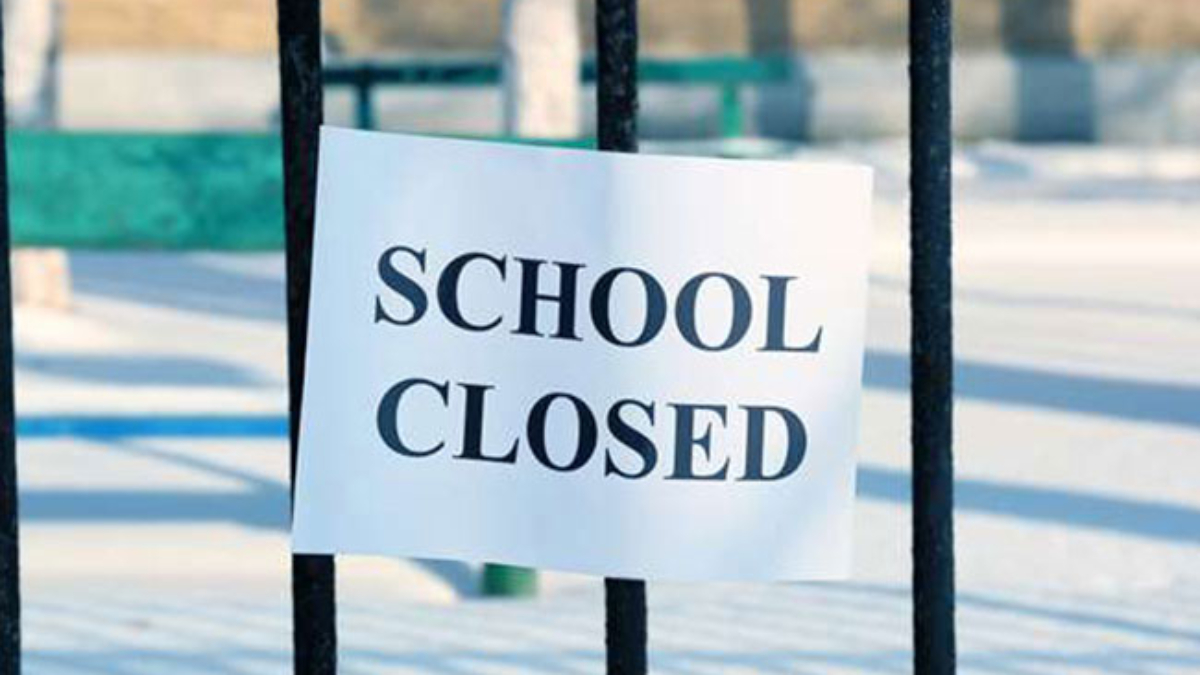
Winter conditions continue to hit Michigan, so many parents, students, and commuters are asking: School Closings tomorrow in Michigan? Snow, ice and other conditions of freezing can render travel risky and districts delay or cancel classes. However, the winter weather in Michigan is always unpredictable and it is not always easy to predict closures.

School Closings tomorrow in Michigan. Schools usually announce official notices only when they actually close. But tools like a snow calculator (which combines forecast data and local conditions) can help predict. Whether a school will likely close soon.

School Closings tomorrow in Michigan

Present Weather Conditions and Prediction

Michigan is still undergoing winter weather conditions. There are snow and blowing weather advisories on some counties during winter. Particularly the northern and western parts of the state. These warnings include the accumulating snow and slick roads which might affect travelling and safety.

Not all the snow incidences though do result in school closures. The weather effects of winter differ depending on the area. What happens in Upper Michigan may not get to southeast Michigan at all. Snowfall intensity, timing, and road conditions play a significant role in making closure decisions.

School Closings tomorrow in Michigan

The way Michigan Districts decide on Closures

School administrators in Michigan usually announce closures late at night or early in the morning (around 5–6 a.m.). After reviewing updated weather forecasts and real-time road conditions. They make decisions based on:

  • Snowfall totals and timing
  • Road conditions and safety of roads.
  • Wind chill and temperature
  • Bus route safety concerns
  • Feedback of local transportation and road crews.

Different districts have their policy. Some of them inform beforehand, the night before the storm is definite. And others observe the situation very early in the morning even before informing the family.
School Closings tomorrow in Michigan

What We Know About Tomorrow

As of now, there is no government-official publication of the particular closing of tomorrow by school districts at the state level. Administrators in Michigan usually announce school closures by 6 a.m. local time after reviewing the situation.

Since winter weather warnings continue in some parts of the state and snow forecasts vary by location. some districts—especially those expecting heavy snowfall. Dangerous road conditions—may announce closures or delays early in the morning.

How to Stay Updated

Given that weather change in winter is very dynamic, consulting various sources will provide you with the best idea of what is going on:

✔ School district websites and notification systems- most districts are using texts or emails.

Local news and weather services usually update closures as soon as they announce them.

 ✔ Snow calculators and snow forecasts — they assist in estimating the customer accumulation in the area and possible closures.

Among forecast data combined with specific details of the location, snow calculators come in handy since they include forecast data as well as historical trends, unlike a general forecast of the region.

School Closings tomorrow in Michigan

Fourth and Fifth Grades Tips: Families, Tonight, and Tomorrow Morning.

The following are some useful hints as one waits in anticipation of official announcements:

  • Screen before going to bed and early morning.
  • Make sure that your school or district has your contact information in its alert system.
  • Make travel arrangements and childcare arrangements in advance in case of a shut-down.

One of the useful tools is a snow calculator, since it allows estimating the amount of snow in your very neighborhood and this can help to understand how the situation can change by morning.

Winter conditions can impact bus routes and road safety, whether schools stay open or close, so staying informed is important.

Final Thoughts

At this point, no widespread school closures in Michigan have been confirmed for tomorrow. Most districts will announce decisions early in the morning based on road conditions and updated forecasts.
School districts will convey it via official means as soon as they make up their minds.

A combination of snow calculators, weather forecasts, and local road condition updates can help predict possible school closures before they are officially announced. Being ready means reduced stress and safer decisions on your part and that of your family regardless of what the weather may bring.

How Many Inches Of Snow Are We Getting

One of the most searched winter questions is “How many inches of snow are we getting?” Snow accumulation plays a major role in school closures, travel delays, and daily planning. Even a small change in snowfall totals can mean the difference between a normal day and a snow day.

Why Snowfall Amounts Matter for Snow Days

School districts and local authorities closely monitor snowfall predictions. Generally:
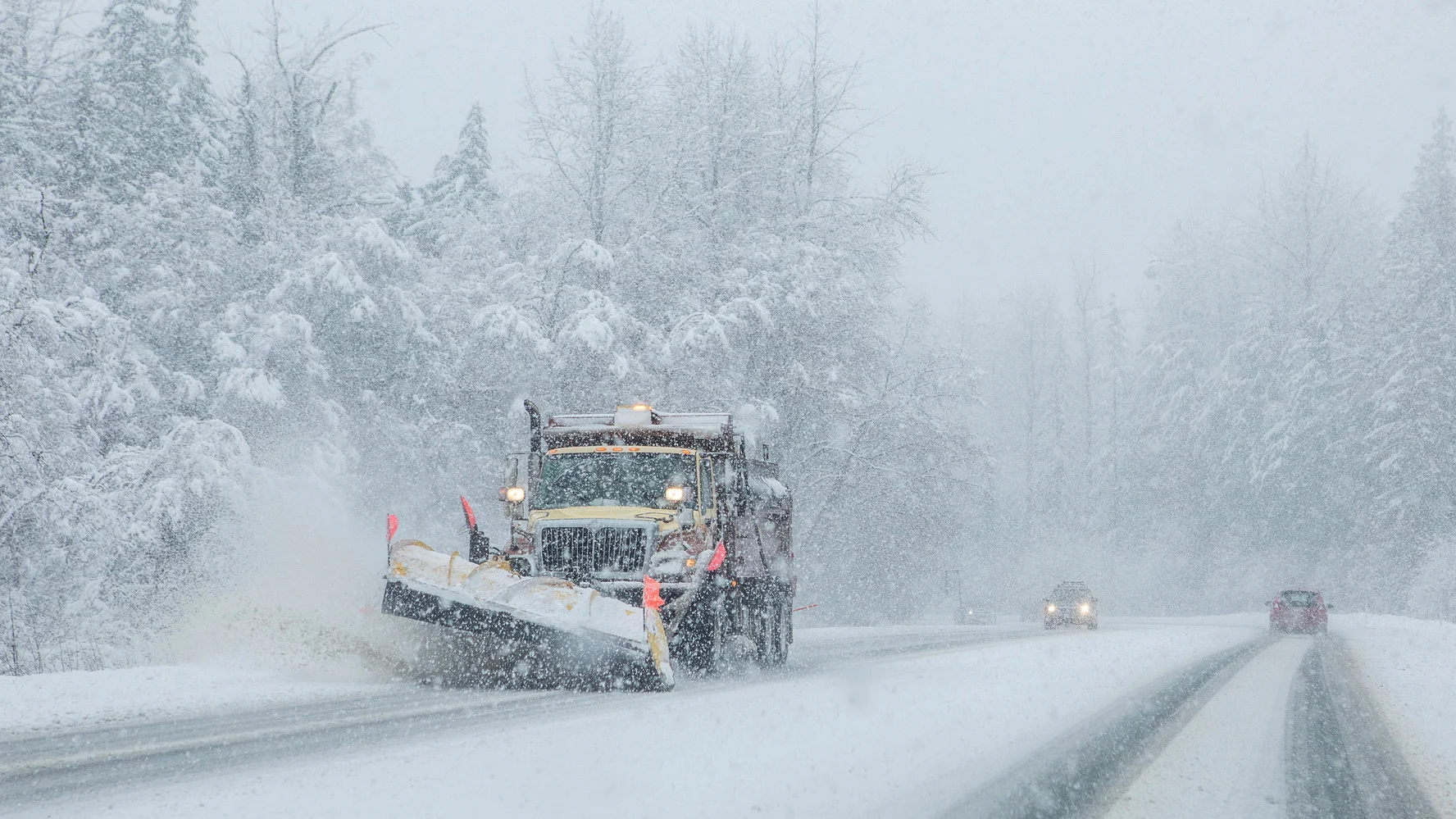
  • 1–2 inches may cause delays, especially if roads are icy
  • 3–5 inches often lead to early dismissals or closures
  • 6 inches or more significantly increases the chance of a full snow day

A snow day calculator uses these snowfall ranges along with weather conditions to estimate closure probabilities.

How Many Inches Of Snow Are We Getting

How Snow Accumulation Is Predicted

Snow totals are calculated using multiple weather factors, including:

  • Temperature before and during the storm
  • Snowfall rate per hour
  • Ground temperature and road conditions
  • Wind speed and storm duration

Because these elements constantly change, snowfall predictions can shift up or down within hours.

Expected Snowfall Ranges in Winter Storms

Most winter storms produce light to moderate snowfall, typically between1 and 4 inches. Stronger systems or colder air can increase totals to 5–8 inches, especially in northern or higher-elevation areas. Mixed precipitation like sleet or freezing rain can also reduce actual snow accumulation.

How Many Inches Of Snow Are We Getting

How a Snow Day Calculator Estimates Inches of Snow

A snow day calculator analyzes forecast data and historical trends to estimate:

  • How many inches of snow are likely to fall
  • How fast snow will accumulate
  • Whether snowfall timing affects morning commutes

This helps families and students understand whether predicted snowfall is enough to impact school schedules.

Why Snow Totals Can Change Quickly

Snow forecasts are not exact. A storm shifting slightly east or west can change totals by several inches. Warmer air can turn snow into rain, while colder air can increase accumulation. That’s why checking updated forecasts is important.

Use a Snow Day Calculator for Better Planning

Instead of guessing how much snow will fall, a snow day calculator provides a smarter estimate based on real weather data. Whether you’re tracking 1 inch or 10 inches of snow, this tool helps you plan with confidence.

How Many Inches Of Snow Are We Getting

Conclusion

Knowing how many inches of snow we are getting makes winter planning easier. While forecasts can change, using a reliable snow day calculator gives you the best insight into potential snow days, school closures, and weather disruptions. Stay informed, stay prepared, and check snowfall predictions regularly during winter storms.

snow warnings

Snow Warning

The snow warning is the official notification that is issued by the weather authorities to alert people about the snowfall which is likely to disrupt the normal life. The warnings are particularly necessary in the winter when lots of snow may cause school closures, delays in traveling, power cuts, and unsafe road conditions.

Snow warnings enable individuals to make advance preparations and make safe decisions.

What Is a Snow Warning?

When a lot of snow is going to be produced in a short duration of time, then a snow warning is issued. It usually means:

  • There is a likelihood of snow or an actual one.
  • The conditions of traveling can be dangerous.
  • This may include real life routines like work and school.

Snow warnings are more dangerous than snow advisories and need additional precautions.

Types of Snow Warnings

Light Snow Warning

Light snow that has minor impact, however, roads can still be icy.

Snow Warning
road way in snow weather

Heavy Snow Warning

Released in case of many inches of snow, which may cause significant inconveniences.

Snow Warning
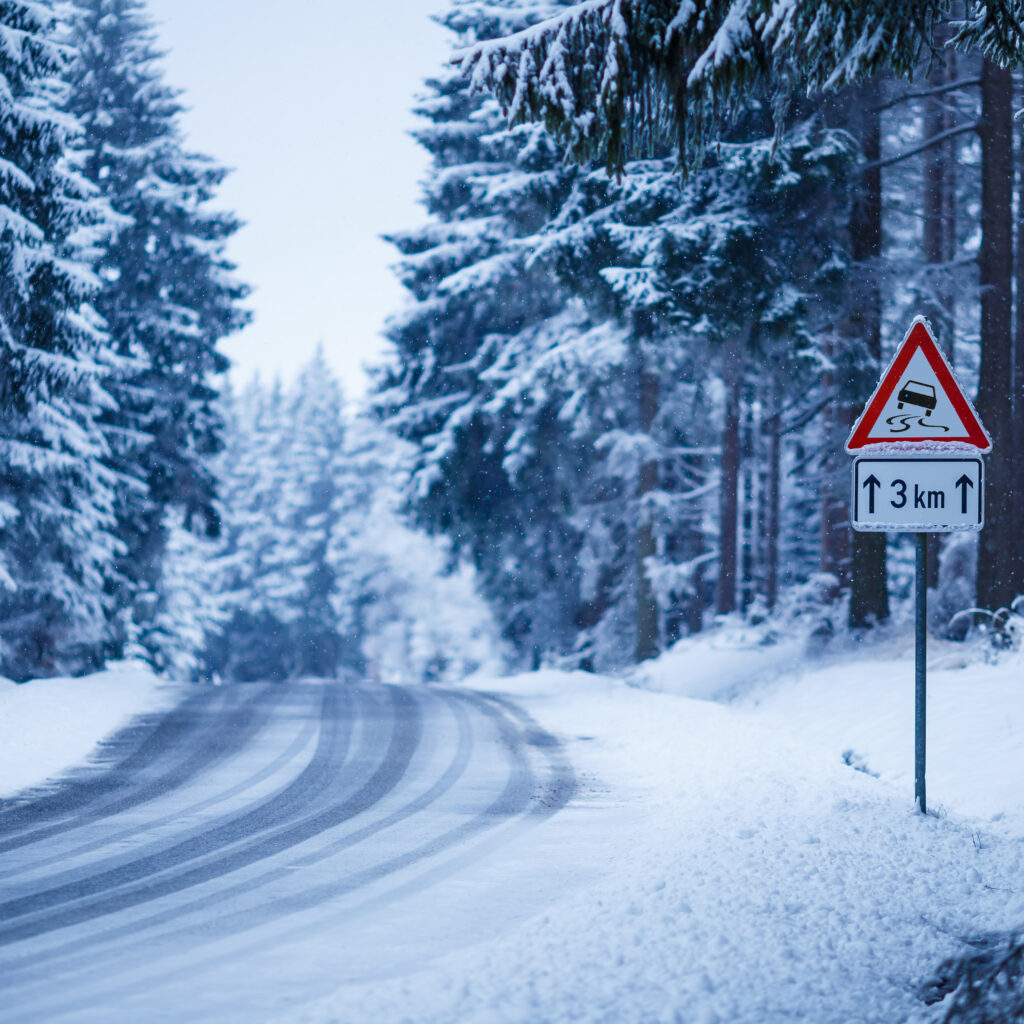
A beautiful scenery of an iced road surrounded by fir trees covered with snow

Blizzard Warning

Features snow and high winds and poor visibility.

The impact of the Snow Warnings on Schools and Travel.

Snow warnings often lead to:

  • School delays or closures
  • Notifications on remote learning.
  • Cancellations of flights and closure of roads.
  • Poor timekeeping by public transport.

Many parents and students also use snow day calculators to approximate the probability that a school will shut down because of a snow warning.

Snow Warning
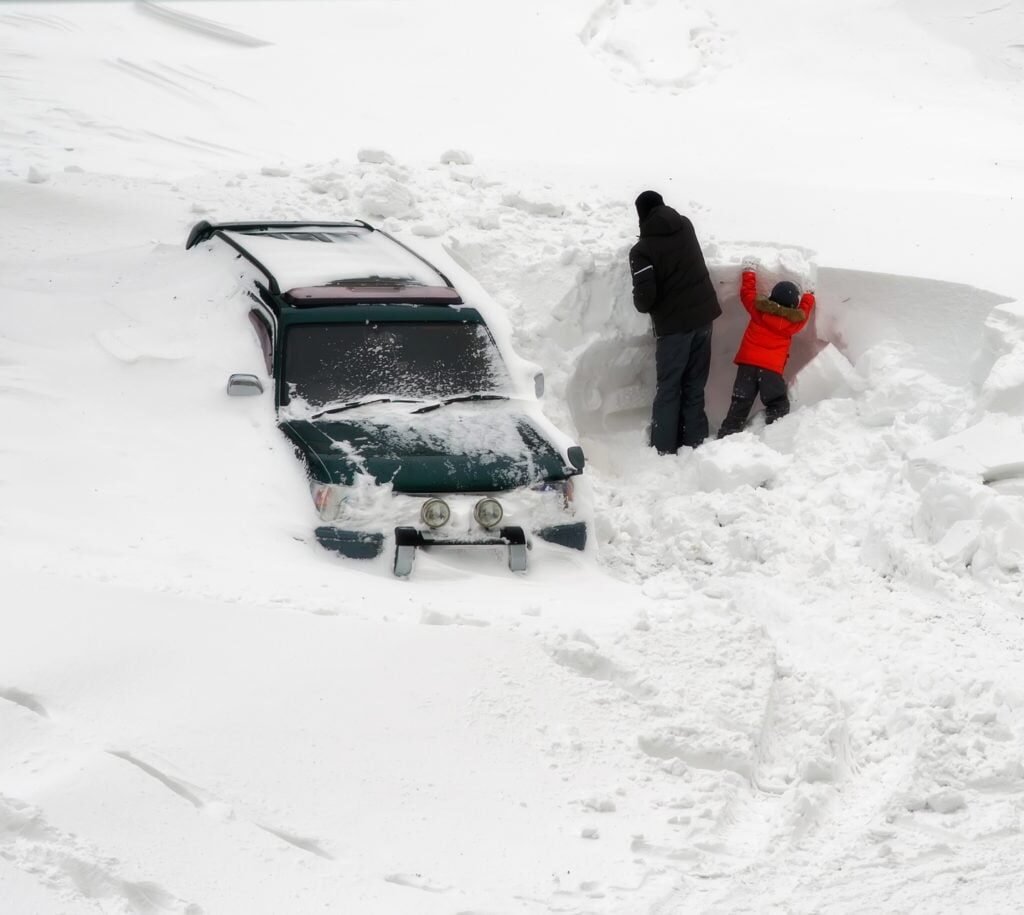
Cars covered in snow after a blizzard.

What To Do When There is a Notice of Snowfall.

You should not ignore a snow warning, but you should take precautions:

  • Keep pace with the weather news in the area.
  • Avoid unnecessary travel
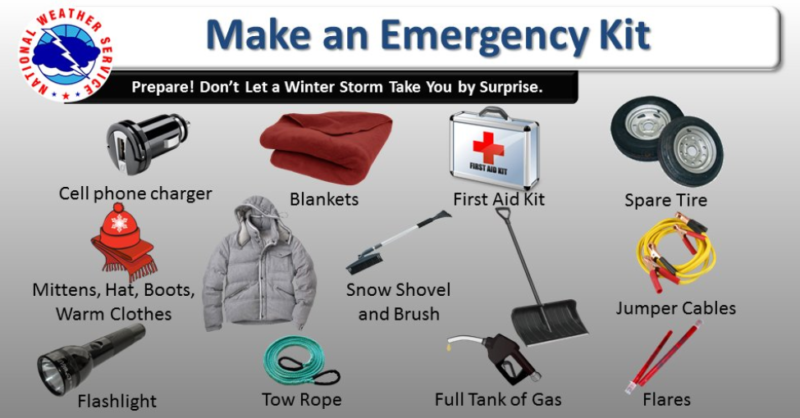
  • Prepare emergency provisions.
  • Charge mobile devices
  • Bring out a warm dress in case of an outdoor activity.

Planning will mitigate the dangers, and make you safe.

Snow Warning & Snow Advisory.

FeatureSnow WarningSnow Advisory
SeverityHighModerate
SnowfallHeavy or disruptiveLight to moderate
Action NeededImmediate preparationStay cautious

Understanding the difference helps you respond correctly.

The Accuracy of Snow Warnings.

Snow warnings rely on the sophisticated weather forecasting and modeling. Although the amount of snowfall can change, the alert usually remains very dependable, and you must never ignore it.

Planning can be assisted with the help of such tools as a snow day calculator and official warnings.

Why Snow Warnings Matter

The snow warnings are necessary as they:

  • Prevent accidents
  • Planning of help schools and businesses closures.
  • Reduce travel risks
  • Keep communities informed

Disregard of snow warnings is a risky affair.

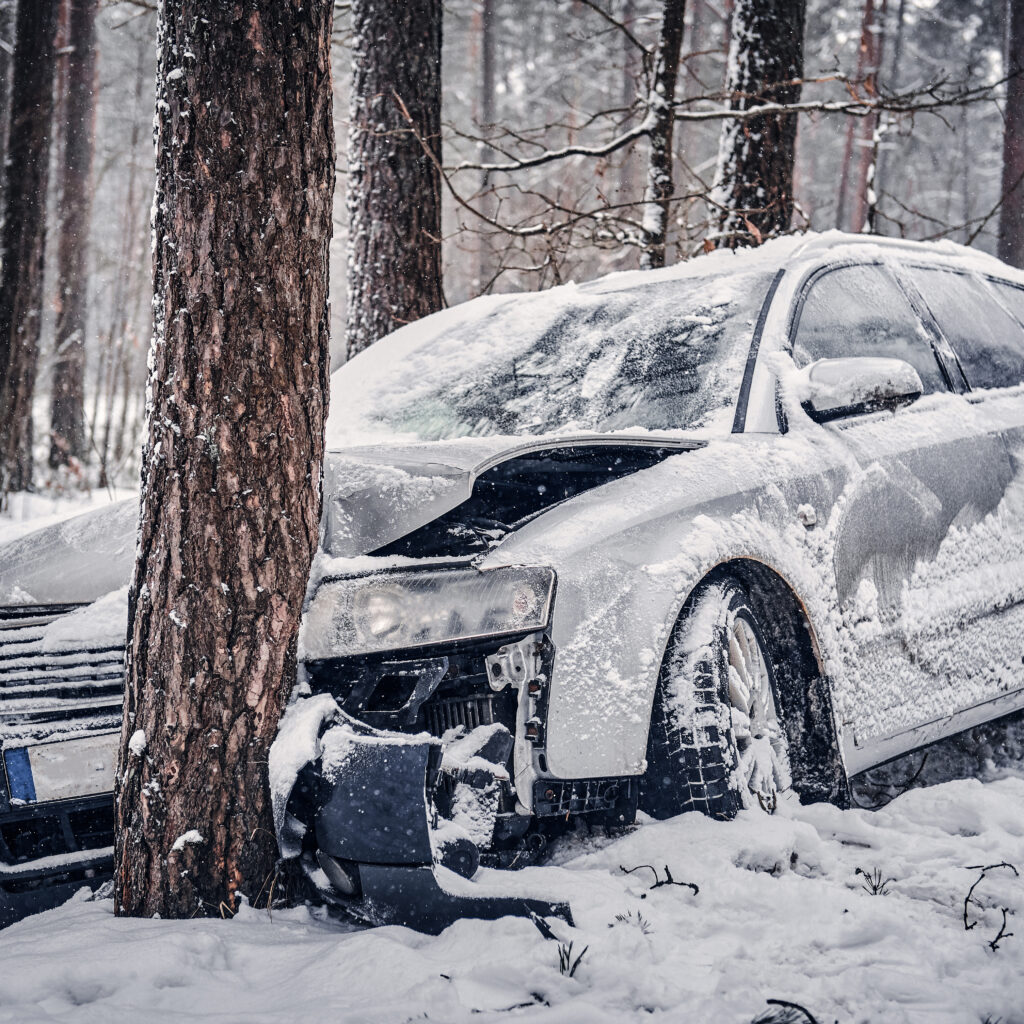
Front view of the car got into a skid and crashed into a tree on a snowy road.

Final Thoughts

Snow warning is an emergency alerts information that makes one aware of hazardous conditions during winter. This will keep you and your family safe during snowy seasons because of being informed, equipped, and watchful.

To get real-time updates, school closure forecast, and winter planning, both official weather alerts and such tools as a Snow Day Calculator should be combined.

Virginia Beach, VA Weather Overview

Virginia Beach, VA Weather Overview

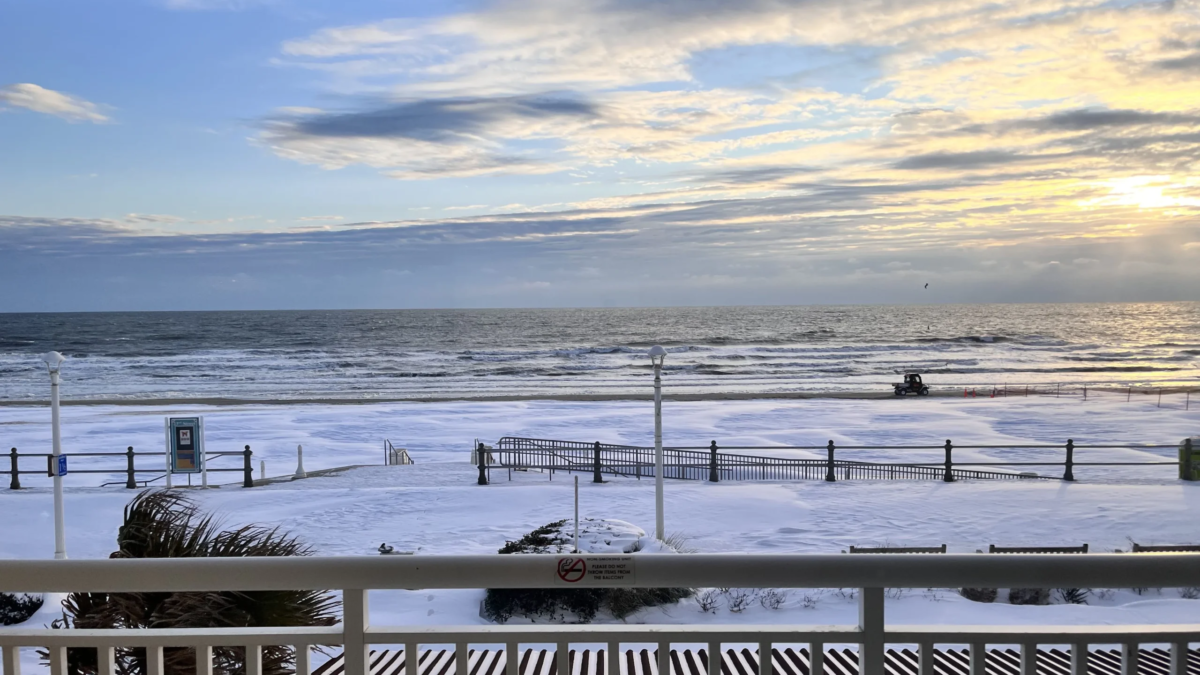
Winter in Virginia Beach brings a unique mix of coastal charm and seasonal change. While snow is rare, residents and visitors still face brisk winds, chilly temperatures, and occasional rain showers that shape daily life. Understanding the city’s winter weather is essential for safe travel, outdoor activities, and planning your day.

Virginia Beach’s climate is influenced by its coastal location on the Atlantic Ocean. Ocean breezes moderate temperatures, keeping winters milder than inland areas, but they can also make it feel colder than the thermometer suggests. Rain is more common than snow, and even small cold fronts can create icy patches overnight.

Knowing what to expect from the forecast allows residents, tourists, and commuters to stay prepared. From daily attire to travel planning, understanding Virginia Beach’s winter weather ensures comfort, safety, and a smoother experience navigating the season’s changing conditions.

Virginia Beach, VA Weather Overview

Current Weather Conditions

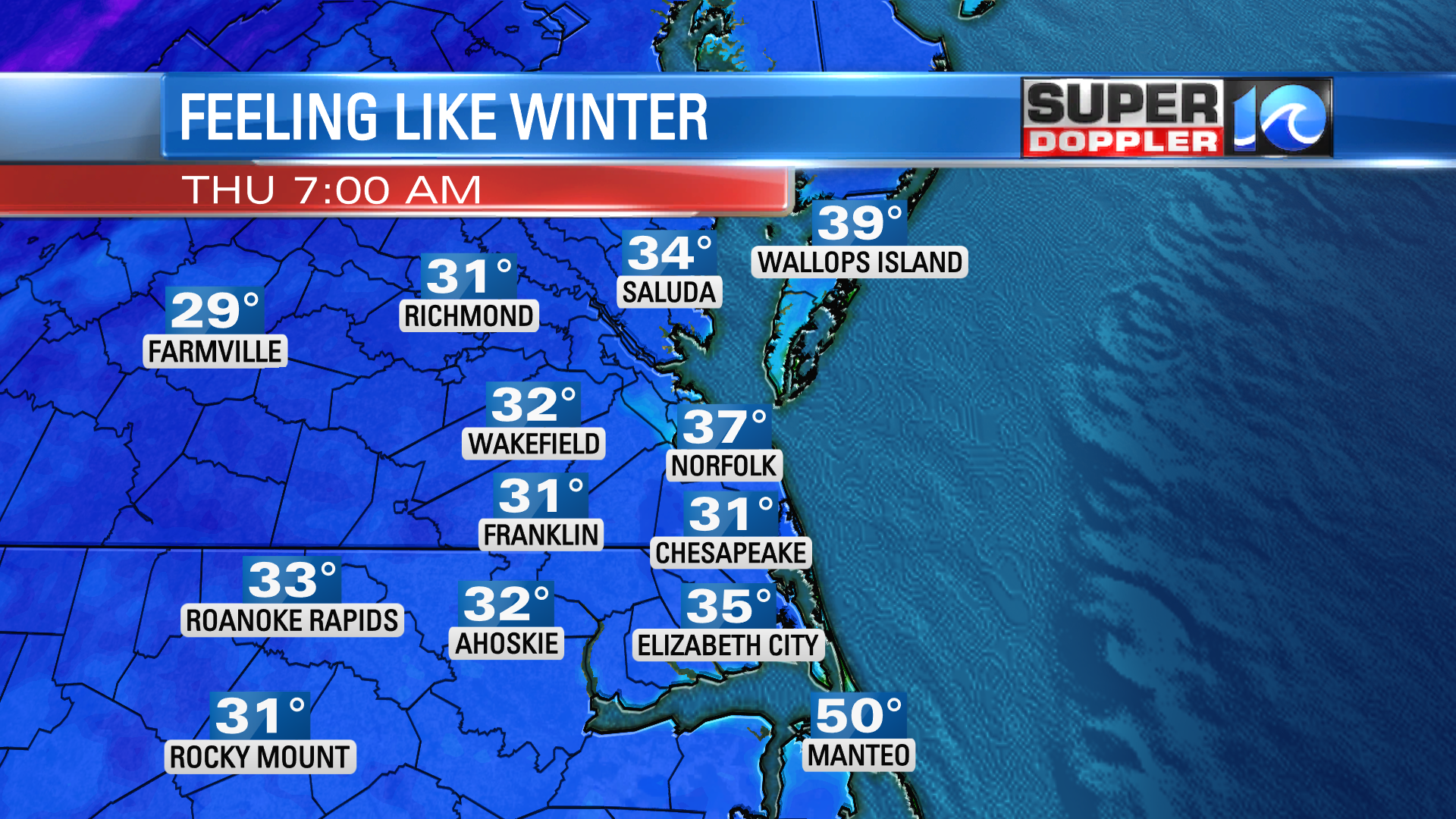
As of the latest reports, Virginia Beach is seeing cool winter weather with mostly cloudy skies and temperatures hovering in the 30s to mid‑40s °F. Humidity is moderate, and winds are relatively light, making outdoor conditions feel brisk but typical for late December. While snow is rare in the city itself, rain and chilly temperatures dominate this time of year, with occasional cloudy periods and mild precipitation possible.

Typical Winter Pattern in Virginia Beach

Winter in Virginia Beach is generally cool but not severe compared with inland parts of Virginia. Average winter high temperatures often stay in the upper 30s to low 50s °F, while lows dip into the 30s at night. Snowfall tends to be light when it does occur and usually melts quickly when it reaches the ground. Rain is more common than snow, especially during late fall and winter systems pushing moisture ashore from the Atlantic.

Daily Forecast Snapshot

The weather through the next several days will feature a mix of clouds, occasional sunshine, and brisk winds. Temperatures are expected to stay cool but near average, with highs generally in the 40s to low 50s °F and lows in the 30s. Periods of light rain or overcast skies are possible at times, especially during frontal passages, but significant storm systems are not forecast at this time.

Virginia Beach, VA Weather Overview

Wind and Coastal Influences

Virginia Beach’s coastal location means winds off the Atlantic can influence daily temperatures and comfort levels. Even when the actual air temperature is mild, ocean breezes can make it feel cooler, especially in the mornings and evenings. This is especially noticeable near the boardwalk, beach area, and open water, where winds can be stronger and more persistent than inland.

Rain and Precipitation Trends

Rainfall in Virginia Beach is fairly consistent through the year, with December usually seeing several days of light to moderate rain. Snow remains uncommon, with only a few flurries or light dustings possible in some winters. Because the city is at sea level and close to the ocean, snow accumulating significantly is rare, and most.

Virginia Beach, VA Weather Overview

What to Expect This Season

The remainder of winter is expected to stay true to these patterns: cool temperatures, mainly cloudy periods, and a few brief rainy days. The likelihood of heavy snowfall is low, but residents should stay alert for any late‑season winter weather advisories, frost, or coastal wind events. Colder snaps with brisk winds can make it feel significantly chillier than the thermometer suggests, especially overnight or by the shoreline.

Daily Life and Weather Preparedness

Because Virginia Beach winters are milder than many inland cities, daily life is usually less disrupted by weather than in snowy regions. Still, dressing in layers and preparing for wind chill is wise when heading outdoors.
Drivers should also stay informed when temperatures approach freezing, as wet roads can become slick during overnight or early morning hours.

Seasonal Weather Tips

Stay updated: Regularly check local forecast sources and mobile weather alerts for changes.
Dress for conditions: Layered clothing, hats, and wind‑resistant jackets help combat chilly winds.
Prepare your home: Ensure heating systems are functioning and outdoor hoses/irrigation are winterized.
Travel considerations: Even if snow is unlikely, rain and wind can affect visibility on the highway or by the shore.

Virginia Beach, VA Weather Overview

Oceanfront and Beach Considerations

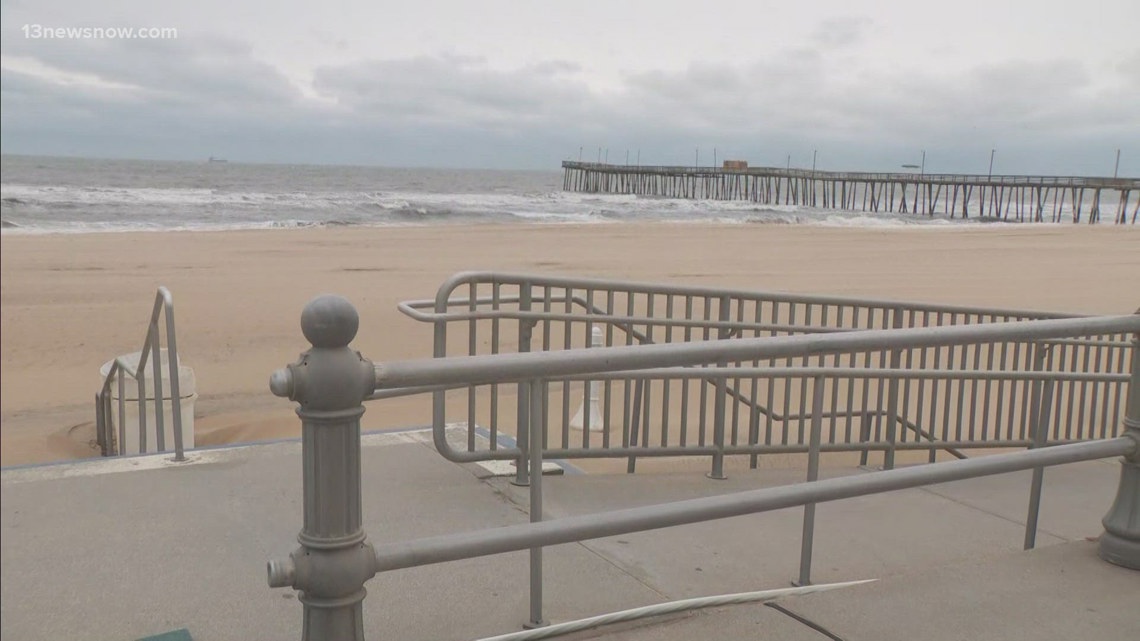
For those visiting the Virginia Beach Oceanfront or boardwalk areas in cooler months, be aware that winds from the Atlantic can feel stronger near the water.
This coastal influence often makes beach areas slightly colder than inland zones.
Although water temperatures are much cooler in winter, beach walks and outdoor recreation remain possible with appropriate clothing.

Extended Outlook

Looking ahead beyond the immediate forecast, seasonal patterns suggest continued cool weather through late December into January. Daytime highs may fluctuate with passing systems, but overall temperatures should remain within typical winter ranges for the region. Precipitation will likely continue as rain rather than snow, with light showers or overcast days alternating with clearer periods.

Weather Preparedness for Residents and Visitors

Whether you live in Virginia Beach year‑round or are visiting during the winter season, understanding local weather patterns can enhance safety and comfort.  Keep an eye on updated forecasts, especially if planning outdoor activities like beach visits or coastal walks.
For special weather events, such as strong storms or nor’easters, city emergency alerts and services offer guidance and warnings to help residents prepare.

Virginia Beach, VA Weather Overview

Conclusion

Virginia Beach’s weather is a blend of coastal moderation and seasonal variation.
Winters are cool but not typically severe, with more rain than snow, and temperatures that support outdoor activity with proper preparation.
Staying informed about changing weather, understanding local patterns, and planning ahead will help you make the most of life in this popular coastal city. Whether you’re checking in for travel, work, or daily routines, knowing what to expect from the forecast ensures safety and peace of mind as Virginia Beach heads deeper into winter.

33mm to Inches

33mm to Inches

Ever had a problem with converting measurements 33mm to Inches between the imperial and the metric system? For example, calculating 33 millimeters to inches may seem easy; however, it is important to know the exact method to ensure accuracy. Therefore, this accuracy is crucial in projects, engineering, and everyday life.


Millimeters and inches are two widely used units of length. The metric system uses millimeters for precise, small measurements. The imperial system uses inches for everyday measurements in the United States and other countries.

Converting 33mm to inches helps bridge these systems and ensures accurate results. Using the proper formula, tools, or calculators, anyone can make precise conversions. “Mastering the dual measurement system is essential for precision engineering. “Precision is the foundation of global trade and engineering. Furthermore, understanding this conversion is useful not only in technical fields; in addition, it is helpful in everyday situations, for example, when buying gadgets, measuring furniture, or following DIY instructions.

33mm to Inches

What Is a Millimeter?

A millimeter is a unit of length in the metric system. It is one-thousandth of a meter. Millimeters are often used for small measurements, such as the thickness of a paper, screws,or jewelry. They provide precise values and are widely used in scientific and technical work.

What Is an Inch?

An inch is a unit of length in the imperial system. One inch equals 2.54 centimeters or 25.4 millimeters. Inches are commonly used in the United States, Canada, and the United Kingdom. They are often used to measure height, screen size, or furniture dimensions.

33mm to Inches

How to Convert Millimeters to Inches

To convert millimeters to inches, you divide the length in millimeters by 25.4. The formula is: inches = millimeters ÷ 25.4. This formula gives an exact value and can be used for any measurement in millimeters. For example, to convert 33mm to inches, we divide 33 by 25.4.

Step-by-Step Conversion of 33mm to Inches

Step 1: Identify the measurement in millimeters. Here it is 33mm.
Use the conversion factor: 1 inch = 25.4mm.
Divide 33 by 25.4.
Calculation gives approximately 1.299 inches.
Round as needed depending on the level of precision.
So, 33mm ≈ 1.3 inches.

33mm to Inches

Tools for Conversion

Several tools make conversion easy:

  • Online calculators – Enter millimeters and get inches instantly.
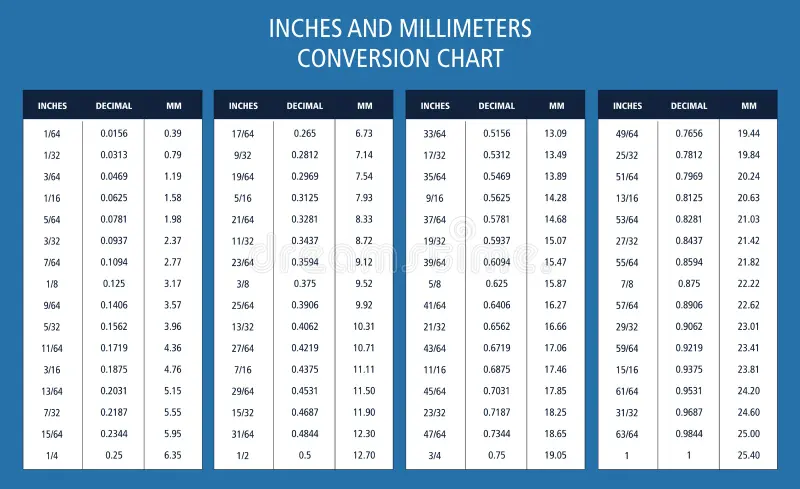
  • Conversion charts – Helpful for quick reference in engineering or design.
  • Smartphone apps – Many apps provide metric and imperial conversions.
  • Manual calculation – Using the formula millimeters ÷ 25.4.
33mm to Inches

Why Convert 33mm to Inches?

Converting 33mm to inches is useful in multiple scenarios. For example, electronics often use millimeters, but users may need inches for screen size or parts.
In construction, manufacturers label materials in millimeters, while builders use inches in tools or plans.
Tailors and designers may work with fabric in centimeters or millimeters but need inches for sewing patterns.

Practical Examples

  1. Electronics – A small device may be 33mm thick; converting to inches helps international buyers.
  2. Construction – A screw 33mm long can be easily compared to standard inch sizes.
  3. DIY Projects – Measuring materials in inches while using metric parts.
  4. Education – Students learn to switch between metric and imperial systems.

Accuracy in Conversion

Precision matters when converting 33mm to inches. Using 25.4mm per inch ensures accurate results. Rounding too early can cause slight errors in measurements. For engineering, manufacturing, or scientific work, exact conversion is essential.

33mm to Inches

Common Mistakes to Avoid

  • Forgetting the conversion factor (25.4 mm = 1 inch).
  • Rounding too early in calculations.
  • Confusing centimeters with millimeters. Remember, 1 cm = 10 mm.
  • Using approximate conversion like 1 inch ≈ 2.5 cm, which can reduce accuracy.

Conversion in Everyday Life

Many people encounter millimeters in tools, gadgets, or online shopping. Furniture, screens, and devices often list dimensions in millimeters. Knowing how to convert 33mm to inches helps make informed choices. It also ensures compatibility in international standards where inches are common.

Quick Reference

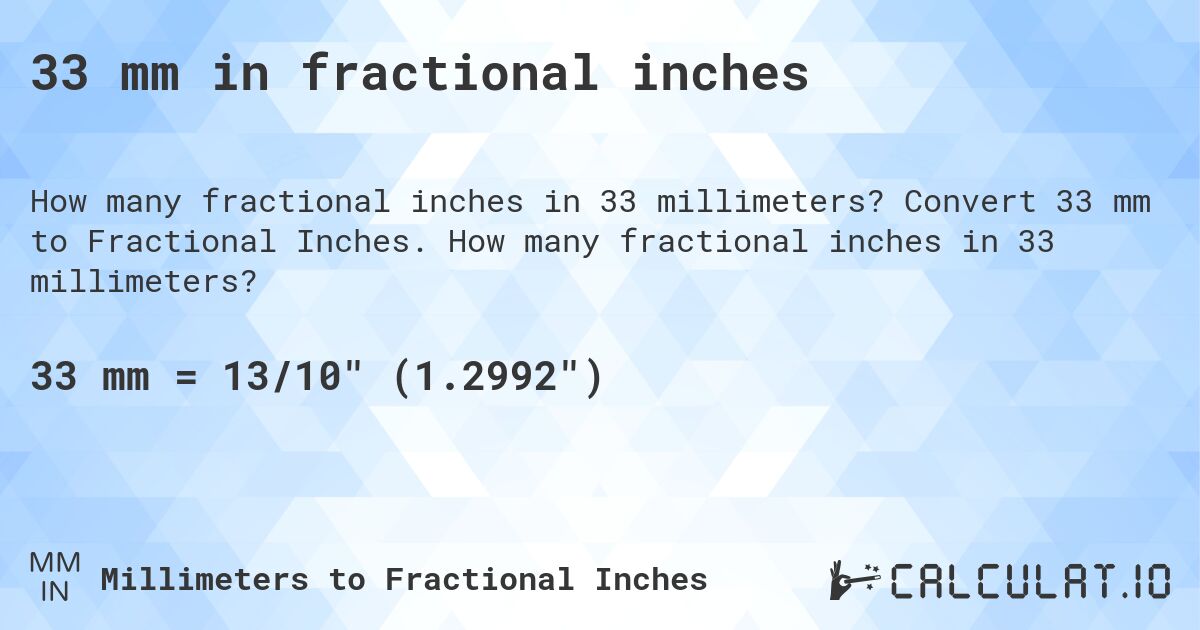
  • 33 mm = 1.299 inches1.3 inches
  • 25.4 mm = 1 inch
  • To convert mm to inches, divide by 25.4
  • To convert inches to mm, multiply by 25.4

Conclusion

Converting 33mm to inches is simple but important for accuracy. Understanding millimeters and inches allows better measurements in daily life,construction,education, and technology. The formula inches = millimeters ÷ 25.4 is easy to remember and apply. With online tools, conversion charts, or simple calculations, anyone can quickly convert 33mm to inches. Whether for work, study, or personal projects, mastering this conversion improves precision. Therefore, understanding between metric and imperial systems becomes easier.


Snow Showers Forecasted to last until Saturday

Snow Showers Forecasted to last until Saturday

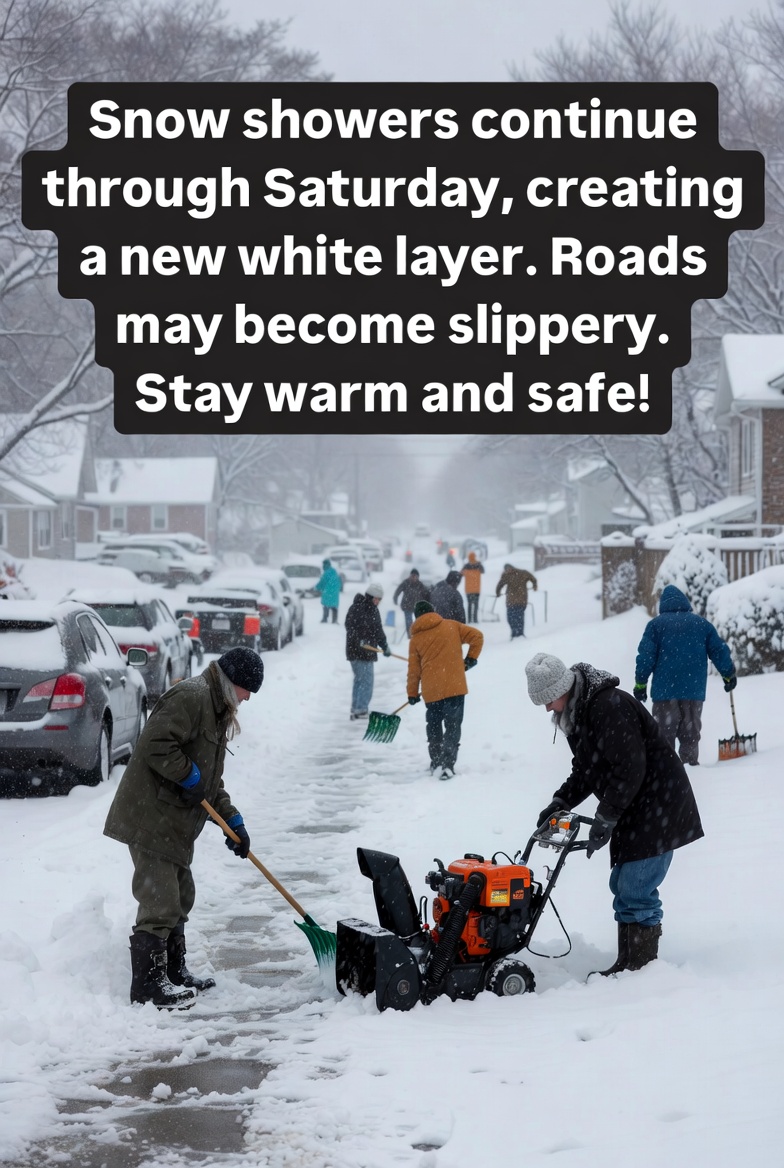
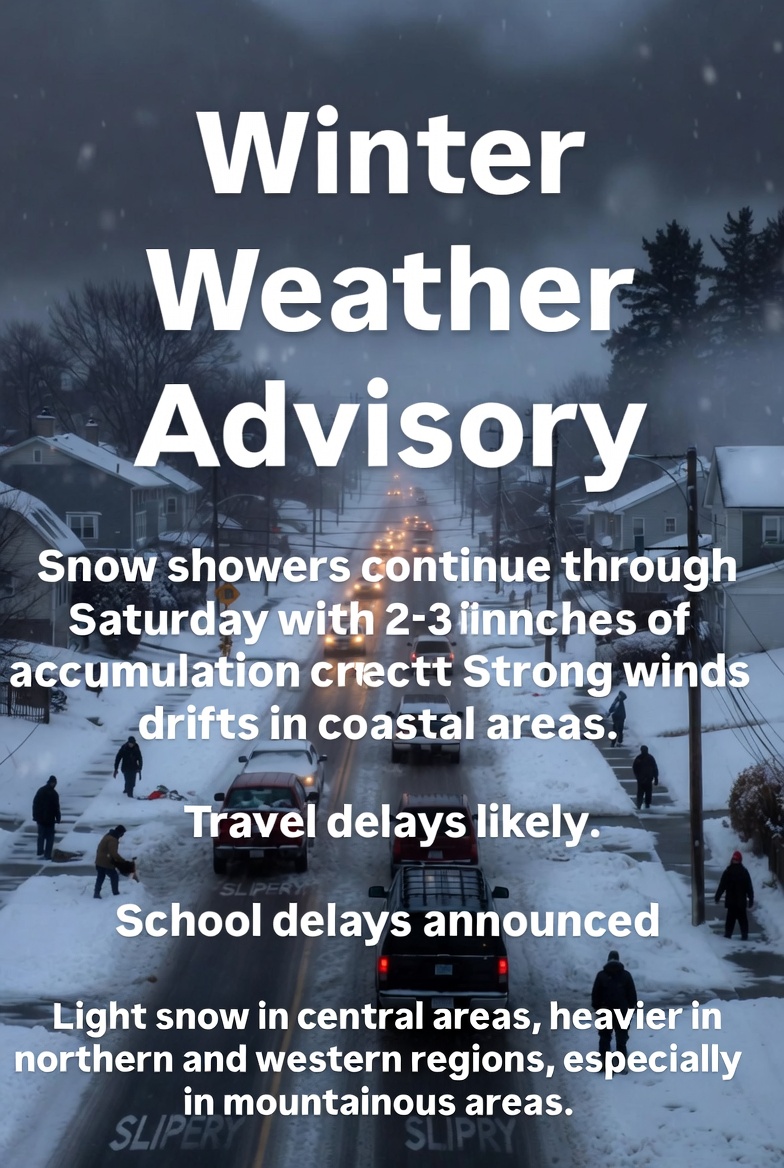
Get ready snow lovers and winter travelers the snow showers will go on until Saturday . And leave the region a new white layer. Although these occasional snowfalls can be mild, as light as they are even. The snow can form slippery roads and interfere with normal life.

Snow Showers Forecasted to last until Saturday are a result of cold air and humid weather conditions in the atmosphere. In which tiny and isolated snow flakes fall at intervals. These showers are not as thick as a heavy snowstorm. And are likely to appear and disappear, and the deposit in them. But steadily increased in the parts exposed to cold weather.

The people living there should be aware of the changing circumstances. They need to organize their trip and make simple precautions to be safe. Whether it is clearing sidewalks or checking the weather. It can be used to reduce inconveniences and enjoy the winter season. By knowing the nature of such snow showers.

Current Weather Situation

The present weather system still forces wet air into the area creating frequent snow showers. In most regions the temperatures are still below the freezing point. Hence the snow is able to adhere to the road surfaces, sidewalks and other surfaces. The meteorologists are also keeping a close eye on the system. Since conditions change rapidly during the day.

Snow Showers Forecasted to last until Saturday

Expected Snowfall

Forecasters say that the amount of accumulations of snow could be as little as dusting. Or can be as much as several inches in other regions. Whereas in most places, a dusting might be the biggest occurrence. locations at elevated heights or those that are prone to snowfall might have more snowfall. People must be aware of slippery weather and arrange their journeys.

Areas Most Affected

Snow showers will mainly impact on the northern and western regions of the area. But the intermittent flurries are also likely to occur in the central areas. The greatest one is likely to accumulate in mountainous regions. whereas lower altitudes might be wet or slushy. The relations along the coasts might experience lower snow accumulation. Yet powerful winds might form localized drifts.

Impact on Travel

Drivers are also encouraged to be cautious since the snow-laden roads can be slippery. And the visibility can be slow when there is a heavier snow shower. Scheduling of the public transportation can be delayed and minor accidents. Become more probable during the steady snowfall. All travelers are suggested to use winter tires and safe driving practices.

Snow Showers Forecasted to last until Saturday

Safety Tips

The residents should also make efforts of ensuring that they remain safe until the snow showers end:

  • Do not make unnecessary trips during snowy seasons.
  • Clean up the sidewalks and driveways to avoid accidents.
  • Wear warm clothes, such as hats, gloves, and waterproof shoes.
  • The emergency supplies should be kept in vehicles, such as food and blankets.

School and Work Updates

Schools and offices in the area can change their schedules or introduce delays as a result of continuous snow showers. Schools and workplaces should be consulted by parents and employees on the current developments. Even some districts can announce early closures in case the situation deteriorates during the day.

Snow Showers Forecasted to last until Saturday

Saturday Weather Forecast.

Saturday should be rather cold with some snowfall all day long. There will be a persistent accumulation of temperatures of around freezing in most regions. In other areas, the winds might increase leading to snowdrifts and blown snow that will result in even less visibility.

Weekend Outlook

Even though snow showers are likely to persist until Saturday. The conditions might be better on Sunday with light flurries and some gaps in the cloud cover. The temperatures will probably not be warm. And this is why citizens should still wear warm clothes. And check local weather information.

Snow Showers Forecasted to last until Saturday

Getting Ready against Snow on the Roof.

The residents are invite to inspect their snow clearing equipment. And clear their sidewalks and driveways. Accidents can avoided salting or sanding the surfaces. The residents of the regions with heavy snowfalls. Must be ready to possible inconveniences. And should have enough food and provisions available.

Conclusion

The snow showers should last until Saturday with some snow. Slippery roads, and cold weather between. The inhabitants need to be updated with the weather conditions. Be cautious when traveling and observe the safety measures needed. Although the snow might bring slight inconveniences. It is possible to guarantee the safety and give in to the inconveniences with efficient preparation.

3 Inches of Snow Expected

3 Inches of Snow Expected

3 Inches of Snow Expected It should not be overlooked by winter lovers and those who come to work on weekend the region can count on up to 3 inches of snow. While it may not seem like a major storm, even a moderate snowfall can create slippery roads, icy sidewalks, and travel delays.

Snow showers occur when cold air meets moist atmospheric conditions, causing snowflakes to fall intermittently across affected areas. Unlike heavy snowstorms, these showers may come and go, but accumulation can still be significant, especially in higher elevations or areas prone to drifts.

The local predictions and precaution measures are also used to encourage the same so that inhabitants are aware of their surrounding to ensure safety.  Simple steps like clearing driveways, dressing in warm layers, and allowing extra time for commuting can make a big difference. Understanding the nature of this snowfall helps minimize disruption while keeping daily activities on track.

3 Inches of Snow Expected

Current Weather Conditions

The unceasing cold front is causing intermittent snowfalls. Temperatures remain below freezing, which allows snow to stick to roads, sidewalks, and other surfaces. Moist air interacting with cold temperatures is causing scattered snowfall. Meteorologists are closely monitoring the system as conditions can change quickly, especially in areas prone to heavier accumulation.

Expected Snowfall

Forecasters predict up to 3 inches of snow in most areas. Higher elevations and open spaces may see slightly more accumulation. Even light snow can produce icy patches on roads and walkways, making travel hazardous. Residents should prepare for delays, exercise caution, and allow extra time for commuting. Public transportation may also experience minor disruptions.

3 Inches of Snow Expected

Areas Most Affected

Northern and western parts of the region are likely to see the heaviest snowfall. Central locations may experience light flurries with minor accumulation. Mountainous areas could see thicker layers, while lower elevations may have wet or slushy snow. Coastal regions may receive lighter snow, but strong winds could create localized drifts and blowing snow. Travelers should stay alert in all areas.

Travel and Road Safety

Driving during snow showers requires careful attention. Even a few inches of snow can make roads slick and reduce visibility. Residents are advised to slow down, maintain safe distances, and use winter tires if available. Public transportation may face delays, so commuters should check schedules. Avoiding unnecessary travel during heavier snowfall is recommended.

3 Inches of Snow Expected

School and Work Impacts

Local schools may implement delays or early dismissals, and after-school programs could be canceled. Employees should monitor workplace announcements for any schedule changes. Parents and workers should stay informed through local news and weather alerts to adjust their routines accordingly.

Safety Tips

Residents should take several steps to stay safe during snow showers. Clear driveways and sidewalks to prevent slips and falls. Dress in layers, including hats, gloves, and waterproof footwear. Keep emergency supplies in vehicles, such as blankets, food, and water. Being prepared can make a significant difference in safety and comfort.

Preparing Homes for Snow

Ensure snow removal equipment is ready and accessible. Keep salt or sand on hand to treat icy surfaces. Check heating systems to ensure they function properly. Stock essential supplies in case of temporary disruptions. Wear as many clothes as possible such as hats, gloves and waterproof shoes. Store cars, blankets, food, and water under emergency convenience. The difference between safety and comfort is one that is very substantial based on readiness.

Weekend Outlook

Snow showers are expected to continue through Saturday, tapering off by Sunday.There will be a number of sunny periods and light flurries, but the temperatures will be low. Ice may linger on roads and sidewalks even after snowfall ends, so caution is still necessary for outdoor activities. Residents should continue monitoring forecasts and plan accordingly.

Impact on Daily Life

Even 3 inches of snow can affect daily routines. Commuters may face delays, and businesses may adjust hours or operations to accommodate snow conditions. Morning routines may take longer due to snow clearing and road conditions. Planning ahead and allowing extra time for travel ensures safety and minimizes disruption.

Conclusion

Up to 3 inches of snow is expected, bringing intermittent snowfall, icy conditions, and potential travel challenges. Residents should monitor weather updates, exercise caution on roads, and take simple steps to prepare homes and vehicles. Clearing sidewalks, dressing warmly, and driving carefully can help minimize risk. While moderate, this snowfall is a reminder to stay alert during winter and be prepared for changing conditions.

Schools Closing Tomorrow in the Local District

Schools Closing Tomorrow in the Local District

Weather reports warn of heavy snowfall, and schools closing tomorrow in the local district is expected.
With winter weather affecting daily life in the U.S., families are checking for school closures on Christmas Eve, December 24, 2025. Here’s a quick guide to weather impacts, holiday plans, and staying updated via Snow Calculator.

Being aware of the Situation of the Holiday

Non-instructional day on Christmas Eve is a scheduled day of heavy majorities of the public schools of the country. Most of the districts overlap the winter holidays with the holidays of Christmas and the New Year and this means that the classes are already on hiatus. For example:

Most California districts (outside the San Andreas Forklift Valley) start winter break around December 22, 2025, and continue through January 2–9, 2026.

Schools Closing Tomorrow in the Local District

Winter break in most California districts (except the San Andreas Forklift Valley) runs from December 22, 2025, to January 2–9, 2026. Tomorrow, most K-12 public schools are expected to remain open since no regular classes are scheduled, but private schools, charter programs, daycares, and extracurricular activities may still be affected.

Available Weather Outlook and Potential Impact

California is also undergoing a powerful atmospheric river that is triggering excessive precipitation to low regions and accumulation of snow in the Sierra Nevada and the Lake Tahoe regions. Forecasts indicate:

Up to 1-2 feet of snow in the lake level in Tahoe, and 2-4 feet in the high elevation areas during the duration between the ending of December 23 and the end of December 26.

Strong winds, potential flooding of rivers in the coast and valleys and dangerous mountain driving.

Sierra winter storm warnings have been issued along some of the Interstate 80 and Highway 50. It may disrupt holiday travel and some programs, but it’s not enough to justify widespread school closures during the holiday break.

Schools Closing Tomorrow in the Local District

Recent storms closed schools in the Northeast and Midwest, but December 24 is mostly clear, with light snow in the Tri-State area and no major disruptions.

Always check your local district’s site or notifications for unusual announcements, especially for private schools or after-school programs.

How to Check School Closures tomorrow in the Local Schools

Their information during holidays is of great importance. Here are reliable methods:

Schools Closing Tomorrow in the Local District

District Websites and Apps: Most of the schools update their websites or parent portals.

Local News and Alert Systems: Monitor local radio or television stations, on-air or apps including NBC, CBS or ABC networks, as well as have special closings pages (e.g. WTOP Stormdesk, DC/MD/VA areas).

Notification Services: Subscribe to text/email notification through tools like Remind, SchoolMessenger or school district emergency system.

Weather Resources: Monitor the weather updates at the National weather service (weather.gov) which could influence medical decision making.

What Is so Special about the Snow Calculator

Snow Calculator is a very important tool in proactive planning especially in snow regions like Sierra or Tahoe. This online tool checks weather, snow forecasts, wind, and local policies to predict potential disruptions, even during breaks.

You are requested to only enter your zip code and you will be provided with certain predictions. When regions are high-risk the next day, it signals potential travel disruptions and alerts families to plan outings or trips. Unlike typical weather apps, Snow Calculator focuses on the community and provides educational, data-driven insights without repeating information.

Winter weather Safety

Regardless of the size of a school, in case of active storms, the first thing is safety:

  • Mountain travelling which is not necessary must be avoided.
  • Prepare emergency packets of blankets, food, water and charger.
  • Going to state DOT apps or sites to monitor the road conditions.
  • Train children about cold weather like danger on ice and poor visibility.

Conclusion

Few schools are closing on Christmas Eve, but storms in California and wintry conditions in some areas still need monitoring. Get credible sources and new technologies like the Snow Calculator to be a step behind. Visit the Snow Calculator site to check local conditions and ensure a safer, more enjoyable vacation. Community members are reminded that schools closing tomorrow in the local district may affect after-school programs.


70 mm To in Inches

70 mm To in Inches

When comparing weather reports 70 mm To in Inches of different areas or when converting measurements of metric snowfalls into the imperial system used in the United States of America, the question of 70 mm to inches tends to appear. This is easy but vital for everyone who handles winter precipitation, especially because most countries measure snow depth in millimeters or centimeters, while America uses inches to forecast and discuss weather.

The conversion is mathematically based on the precise proportionality of millimeters of inches: one inch is 25.4 millimeters. As a result, in order to know the number of inches corresponding to 70 millimeters, then take 70 divided by 25.4. The exact value is about 2.7559 inches, but most people approximate it to 2.76 inches or 2.8 inches for daily use. Such slight yet significant distinction can make a difference in the way of how people can experience a snow event, a light dusting or something to prepare to.

On the Snow Calculator site, we are experts at measuring the actual effects of the snowfall including weight loads on buildings, changes in density, and the effect of accumulation. Unfortunately, the world does not communicate using the same standards of reporting, thus, conversions such as 70 mm to inches allow users to reconcile the different standards of the world, resulting in more precise evaluation of the physical burden of snow. Is it an overseas prediction you have in your hand or are you figuring the roof thatching, this basic measure links imperial familiarity with metric accuracy.

70 mm To in Inches

The Precise Conversion: How 70 mm to Inches

The following formula should be used to carry out the conversion:

inches = millimeters ÷ 25.4

Applying this to 70 mm:

70 ÷ 25.4 = 2.7559055118 inches

In real life, this number is commonly rounded off. Most meteorologists and homeowners estimate it to be 2.76 inches to make the estimate fast. Informal estimates put it at 2.8 inches, particularly in the general severity of the storm. The inch definition used internationally (precisely 25.4 mm) is such that it provides a global standard, so it is one of the most dependable unit conversions in meteorology and engineering.

To the fractions lovers, 70 mm is almost equal to 2 3/8 inches (2.75 inches), and this is why people also refer to it as slightly less than three inches in their unofficial talk.

70 mm To in Inches

The importance of This Conversion to Snow Measurement

The depth of the snow is all relative. Many international weather services (metric countries included) also use snowfall either in millimeters (water equivalent) or centimeters (depth of the accumulation) of depth. By comparison, the United States normally measures snowfall and snow depth in inches. The moderately high 70 mm or approximately 7 centimeters of the snow translates to about 2.76 inches which is an average amount of the snow in most regions.

Such quantity of snow can make certain changes. Little to no shoveling or slight delays could be experienced in northern areas with 2-3 inches. The same amount of depth in a southern or mid-latitude region where snow infrastructure is less would cause school closures, road slips and travel delays. Knowledge of the equivalent assists residents in comparing predictions of various sources and make preparations.

Furthermore, the density of snow is also involved in interpretation. Light and airy snow (high air content) could yield more depth per millimeter of water equivalent, whereas heavy and wet snow falls into place. A 70 mm water equivalent had the potential to produce much more than 2.76 inches of fresh powder but much less when settled.

How to Practically Use it as a Homeowner and Weather Enthusiast

Knowing that 70 mm is approximately 2.76 inches helps people prepare better for winter work. For example, using familiar units makes roof load calculations easier to understand. On Snow Calculator, the user has the option of keying the snow depth in either system to determine the weight, which is essential because wet snow at this depth may create significant pressure on the buildings.

It is also useful to gardeners and outdoor lovers: 2-3 inches of snow insulates the plants, but it can necessitate the removal of walkways. Drivers measure the figure to determine the tire requirements or safe traveling or not. Even casual observers of global weather patterns or historic storms find this conversion valuable.

70 mm To in Inches

Conclusion

The conversion of 70 mm to inches (to get about 2.76 inches) is a little but a strong measure towards cross-systematic measurement of winter weather. It connects exact metric data with the everyday inch measurements used in most homes and forecasts. In the case of Snow Calculator, we focus on these relationships to enable the users to evaluate the real contribution of snow, its accumulation level, and structural security. The next time you see a report of 70 mm of snow you will go right to the inches and learn how to be ready to whatever winter throws at you.