
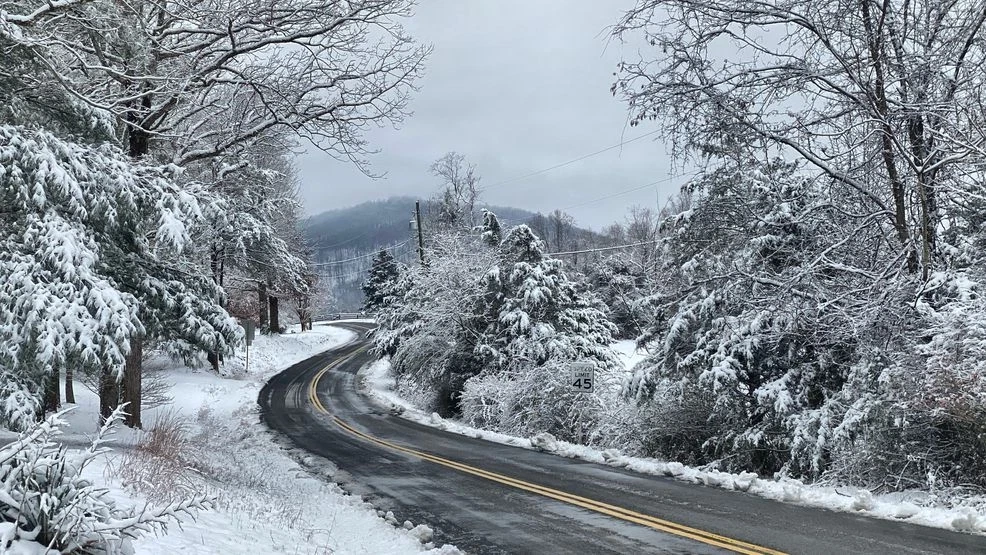
The geography of Snow Storms in Virginia also has a mixture of geographical features such as the coastal plain and the Appalachian Mountains, which give rise to unique conditions of snow storms that may lead to light dusting or huge accumulations. Inquiries regarding the snow events in future or past are common as residents and visitors keep a tab on the forecasts, particularly in the season of holidays. As winter continues, December 23, 2025, marks an active early season in Virginia, with several weather systems already bringing measurable snowfall to many areas of the state.
La Niña could be an entity, but it is a climate pattern (not allowed types like place, organization, etc.), so no entity wrapper used. The month of early December presented successive storms, and the aggregate of the precipitation ranged between 3-7 inches along the south and central, and in the North lighter, on the further side. These happenings underscore the fact that Virginia is in a so-called Goldilocks zone when it comes to snowfall, cold enough to build up there but not so severe that it would drive the storms completely away. This arrangement has created hype to the snow enthusiasts as it has led to planning on any possible disturbances.
At Snow Calculator we are the ones who specialize in measuring the real-life impacts of snowfall including weight on the roof and buildings. Although the site is concerned with the accurate calculations of the effects of snow density and accumulation, the knowledge of the snow storm patterns in Virginia will give the necessary context. When residents combine weather predictions with load forecasts, they can better prepare for storm-related physical challenges, including safe shoveling and protecting structural safety.
Virginia Snow Storms Characteristics
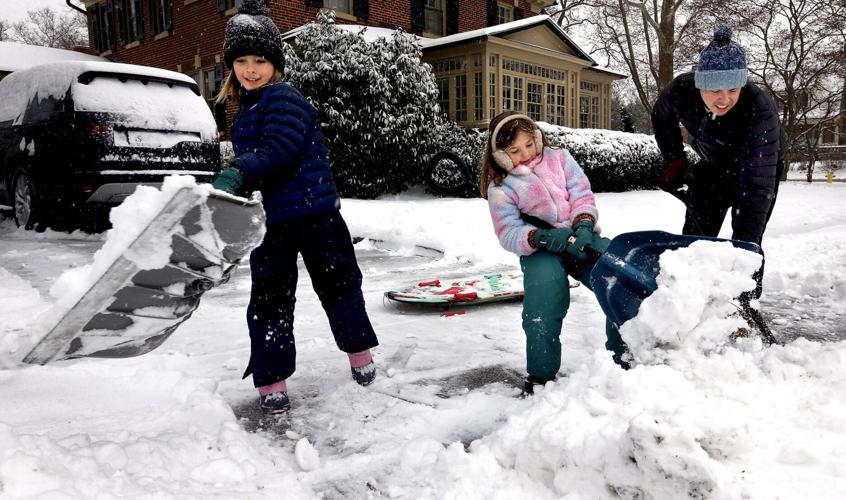
The snow storms in Virginia are usually as a result of coastal lows (nor easters) or northwestern clippers. Coastal systems bring heavy, wet snow to eastern areas, while higher elevations in the western mountains produce drier, fluffier snow. Snowfall amounts vary widely: during a moderate event, northern and central Virginia may receive 2–6 inches, while southern areas may get 3–8 inches or more when cold air becomes trapped there.
Recent early-season storms in December 2025 showed this variation. One system brought 3–5 inches of snow to southern Virginia, including Roanoke and Lynchburg, and the National Weather Service issued winter storm warnings due to slippery roads and travel hazards. One next came close afterwards, and delivered like sums of similar areas. The heaviest loads are in the southwest and Appalachians, which have an average of over 10 inches in a multi-storm occurrence.
These storms occur in clusters and trends such as the one we have at present can cause frequent accumulations in light to moderate amounts as opposed to the infrequent blockbuster storms. The weather conditions, wind, timing, and temperature changes complicate the situation: the snow at night tends to lead to more significant school and business cancellations than daytime occurrences.
Effects and Safety Preface
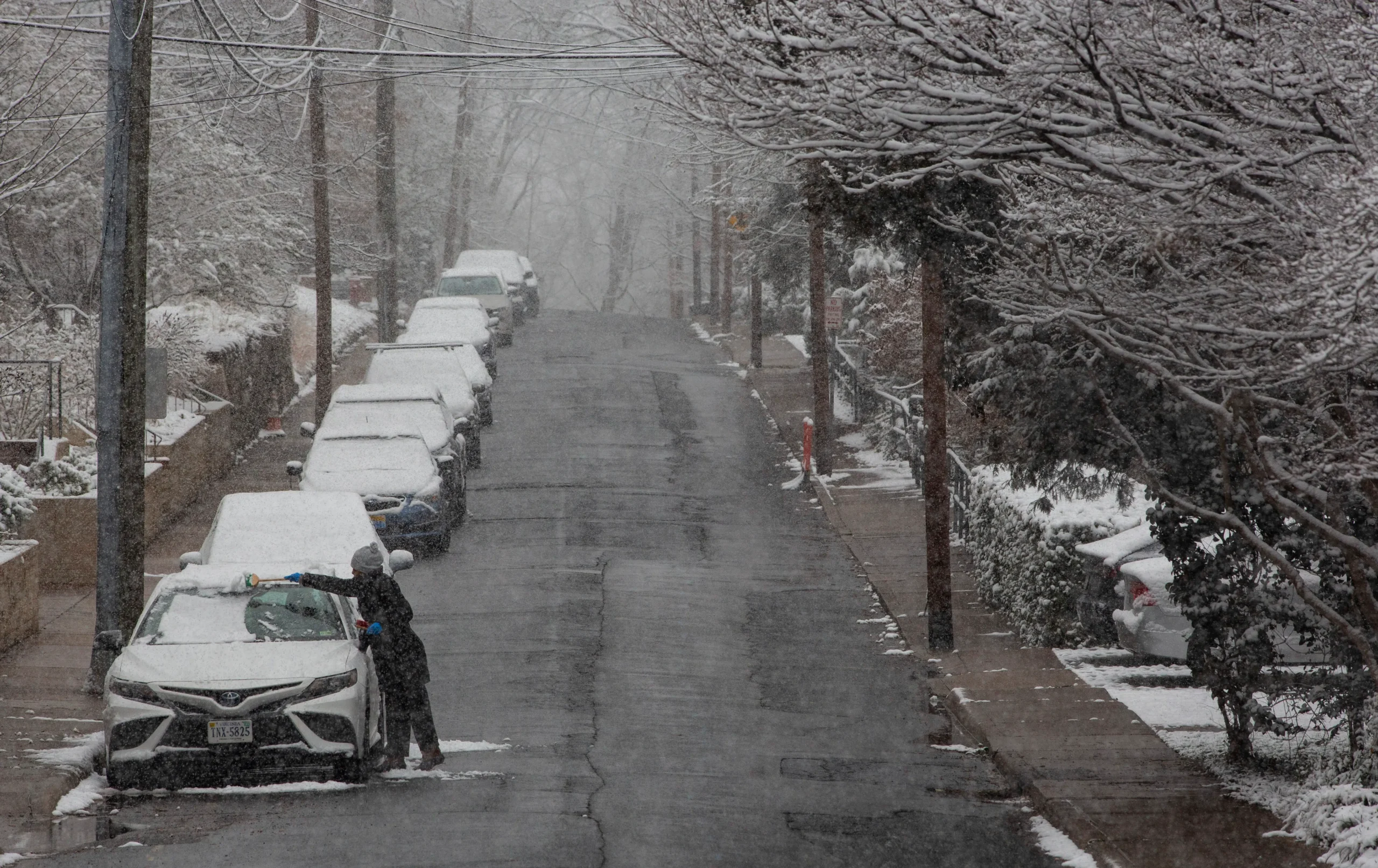
The snow storms in Virginia interfere with the normal lifestyle in a number of ways. Even a few inches of snow can quickly reduce road quality, especially when wind or ice adds to the danger. Wet, heavy snow can bring down power lines and cause outages, while coastal storm surges can lead to road flooding. Further loads like the accumulation of heavier material in mountainous terrain enhance the potential of avalanches in remote locations and roof loads in the high-density areas.
The most important is planning: having the necessary materials, follow-ups, and calculations to estimate the weight of the snow. As an example, wet snow can carry a weight of 20-30 pounds per cubic foot and strain the structures fast when it has a depth of more than 12-18 inches. Snow Calculator is useful as it enables one to type in depth and area to have a precise estimate of loads to decide on roof or driveway clearing.
Societies react through plowing, applying salt and emergency notifications. In the south, 2-4 inch closings or delaying often suffices, but in the north, much more serious conditions are a necessary.
Looking Ahead This Winter
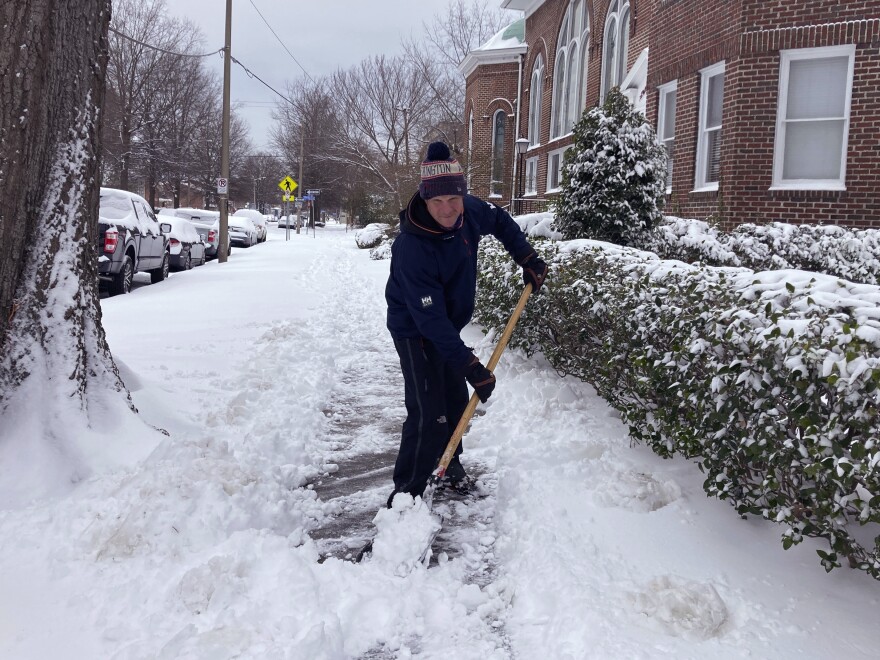
Through December, as it approaches the holidays, there are models indicating that it will continue to have snow, but the amounts will be less than what came in the early flurry. Higher altitudes may have the most activity with the coastal and urban areas having more rain to snow changes. In general, the season is projected to be a busy yet not intensive trend, with the possibility of winter fun and the required cautiousness.
Conclusion
The snow storms in Virginia are beautiful and challenging according to the diverse topography and changing weather conditions in the state. The presence of the early activity in December 2025 will remind the residents of the vagaries of winter and the importance of preparation. With the help of trusted predictions and convenient applications, such as Snow Calculator, to evaluate the physical effects of snow, Virginians will be able to safely enjoy the season, whether by creating snow figures or removing snow paths. The Commonwealth winter is not necessarily able to provide a blanket of deep colors over the entire state, but storms do not leave without impressions.