
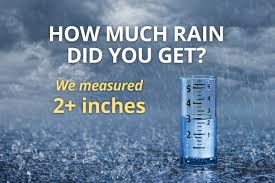
The question is the amount of rain we got? sounds down the streets following each storm. It is a basic question of practical significance, either, is the garden drying up, how much risk in the occurrence of a flood, or simply, is it pouring during the night. Personal tracking is important because actual local rainfall records often vary with the official records miles apart.
Meteorologists measure rainfall in inches or millimeters, showing the depth of water that would cover a flat surface if none ran off or evaporated. This common unit allows easy comparisons across locations and times. Homeowners, gardeners, and weather enthusiasts often ask this question because even small changes in rainfall can affect daily decisions, like yard work or stocking supplies.
At Snow Calculator, we focus on winter precipitation, especially snow weight, depth, and load. Rainfall is also an important factor. With a drop in temperature, heavy rain may turn into snow and knowledge of the liquid amounts predicts snow equivalents. Knowing the amount of rainfall helps plan safely during winter, especially in mixed-season conditions.
Instrumentation and Techniques of Measuring Home Rainfall
The simplest method to respond to: how much did we receive in terms of rain? is with a rain gauge. Basic models use a straight-sided container and a funnel to collect water with minimal evaporation. After the storm, the depth is measured with a ruler. To be more specific, most tend to use graduated cylinders with minor markings, e.g., 0.01 inches.
Tipping-bucket rain gauges, common in home weather stations, measure rainfall by counting how many times a small bucket fills and tips. The tips are a constant cost such as 0.01 inches and the machine counts the total. Weighing gauges are the most accurate because they measure the weight of collected water, especially during heavy or mixed precipitation.
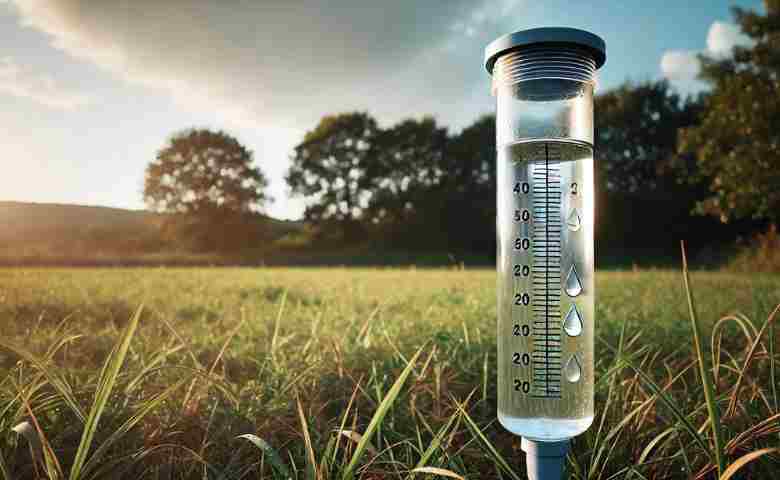
Positioning is of high importance in producing consistent results. Place the gauge in an open area away from trees, buildings, or fences that can block or splash rain. Set it 2–5 feet above the ground and at least twice as far from obstacles as their height. Frequent cleaning eliminates debris that would not give the measurement a bias.
The importance of Local Rainfall Amounts
It is useful to know the exact local rainfall in numerous daily situations. Gardeners apply it to determine whether additional watering should be applied, excess of which may cause root rot or fungal problems when there is too little rainfall. Precise data is essential to the farmers in their irrigation planning, and health of the crops. In flood prone areas, the homeowners check totals so as to predict drainage issues or basement risks.
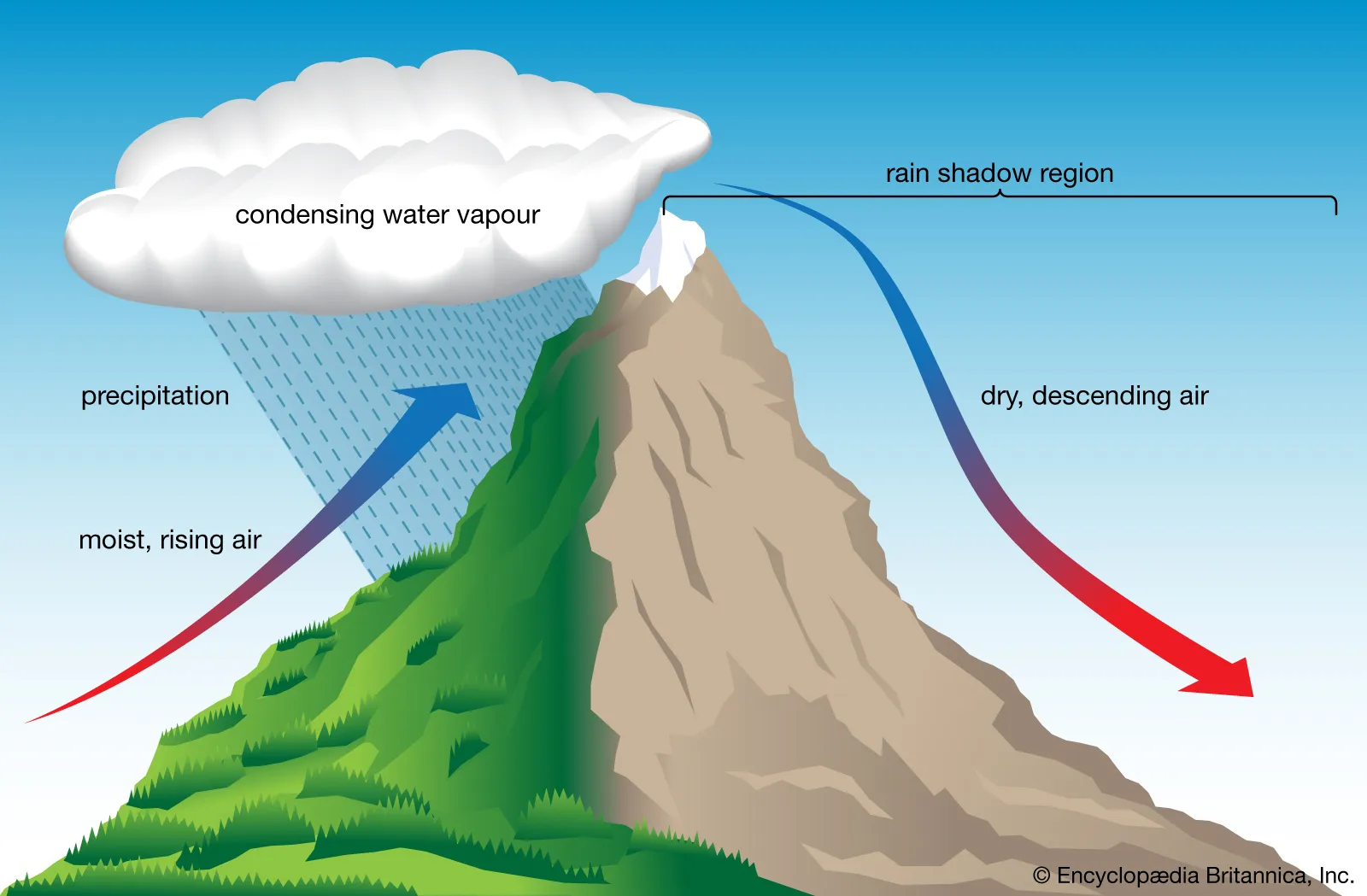
Trends of storms, topography and urban influence cause rainfall to differ significantly in the short distances. What a single neighborhood gets in inches may be half of what is only a few miles away. This local variation prevents personal measurements or local hyper-local apps by making them more accurate than regional forecasts.
During those transition seasons, snow predictions are made directly based on the data of rainfall. Many online tools convert rainfall into expected snowfall using temperature ratios, usually about 10:1 in normal cold conditions. Tracking past rainfall helps predict winter snow buildup and effects like roof load.
Guidelines to Self-Observation of Rainfall
Begin by doing it simple: Take a DIY rain gauge by simply using a straight jar or bottle filled with a ruler taped inside the cup. Weigh it after every single occurrence, keep a record of date and weight and weigh it off the next time. To have continuous monitoring, purchase a digital weather station that will automatically record the data.
Applications and internet tools give hyper-local approximations using radar and ground sensors in cases where it is not convenient to measure. Add these to your personal observations so as to have the best picture. Do a running monthly or annual total to identify trends as time goes by.
Conclusion
Questions like how many rains did we receive. relates us to the instantaneous impacts of the weather on our lives. People measure rainfall with simple gauges or advanced digital tools to make better decisions year-round. On Snow Calculator, accurate rain data helps estimate snow weight and impact. When a storm occurs next time make your measurements; you will find that there is more than a figure.