
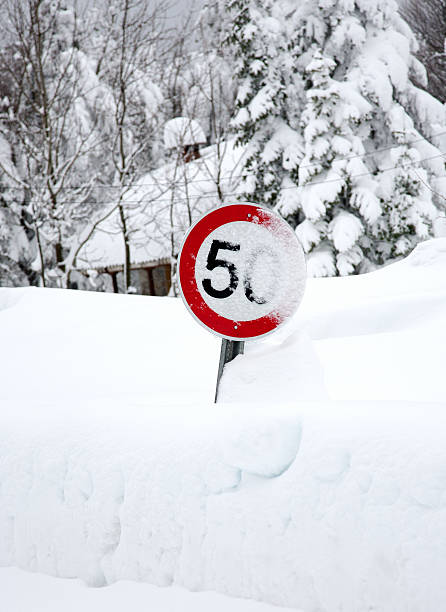
Snowfall is measured differently around the world. Different countries use different units to report the amount of snow. Convert 50mm snow to Inches easily to use the snowday calculator.
Some countries report snow depth in millimeters, while others use inches. This variation can sometimes make it confusing to compare snowfall across regions.
Knowing how to convert between these units is helpful, especially when people use a snow calculator or track winter weather predictions. It ensures accurate planning and safety during snowy conditions.An Introduction to Snow Measures
Countries that use the metric system often record light to heavy snowfall in millimeters. In the United States and some other regions, inches are more common. These measurements help snow calculators predict road conditions, school closures, and travel safety.
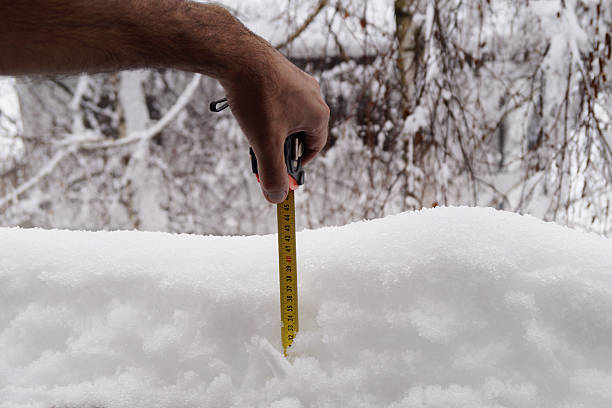
50mm to Inches Snow Conversion
The standard formula to convert millimeters to inches is:
1 inch=25.4 millimeters
Now, to convert 50mm to inches:
50÷25.4≈1.9685
Thus, 50mm of snow is approximately 1.97 inches.
What Does 50mm of Snow Mean?
A snowfall of 50mm (nearly 2 inches) is considered moderate. It can cover streets, rooftops, and cars and may make roads slippery. While it is not usually severe, it can affect commuting, school schedules, and outdoor activities.
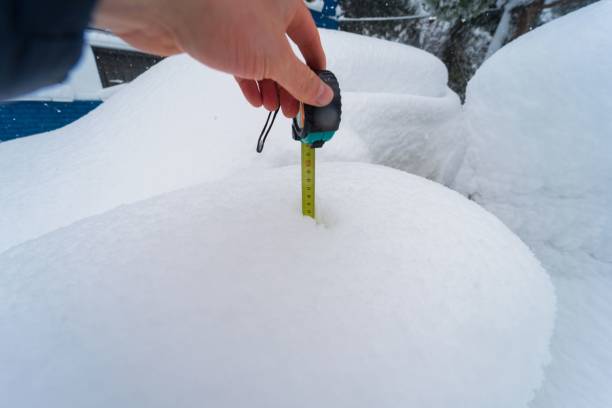
Conversion Matters in a Snow Calculator
Using accurate snow measurements in calculators helps users plan ahead. Converting millimeters to inches or vice versa ensures that predictions match local reporting standards. A snowfall of 50mm (1.97 inches) can help determine if schools might close or if driving conditions may be hazardous.
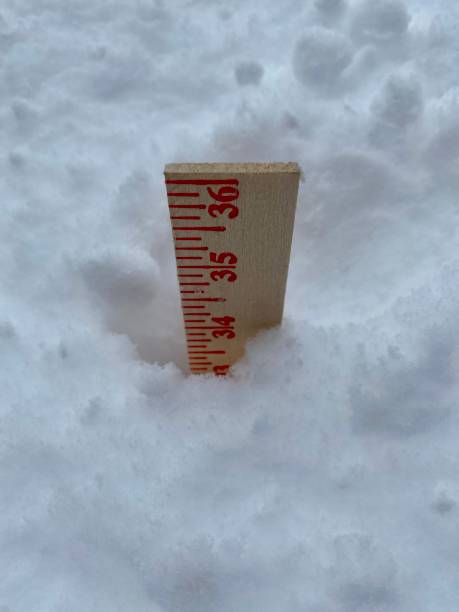
Quick Guide to Convert 50mm Snow to Inches
1 mm of snow ≈ 0.039 inches
50 mm of snow ≈ 1.97 inches
Conclusion
Understanding snow measurements and conversions is important for planning during winter weather. A snowfall of 50 mm (1.97 inches) produces moderate snow that may disrupt daily routines, but people can manage it safely with proper precautions. Snow calculators make it easier to interpret these predictions and prepare accordingly.