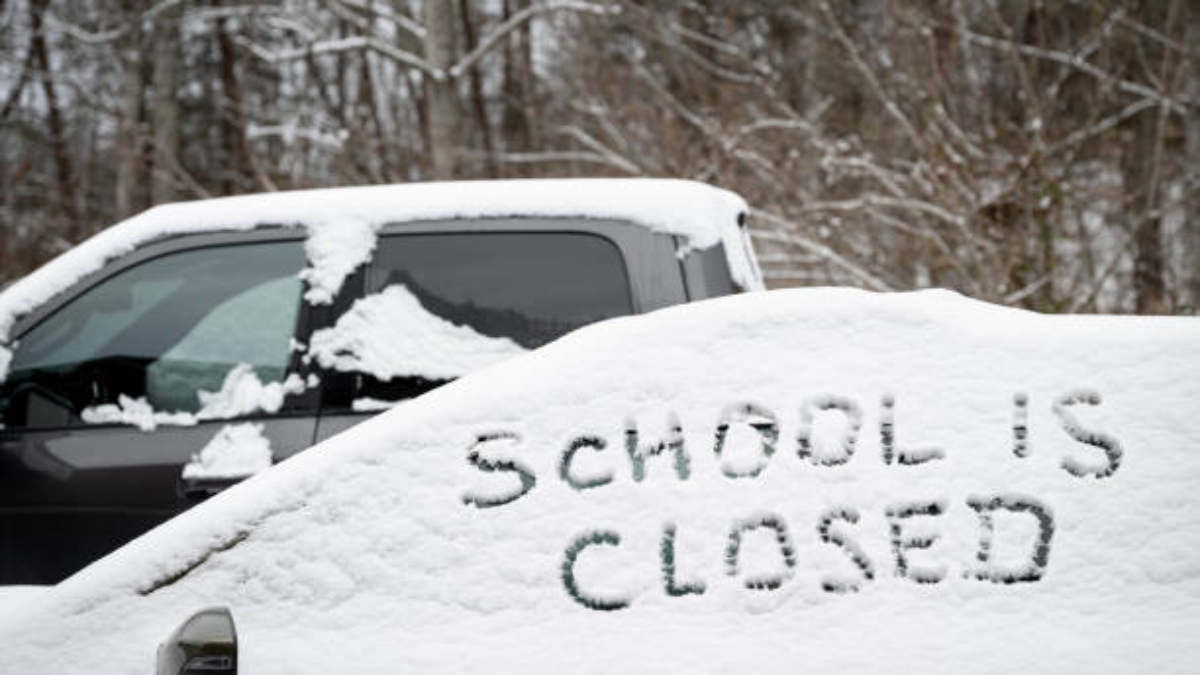
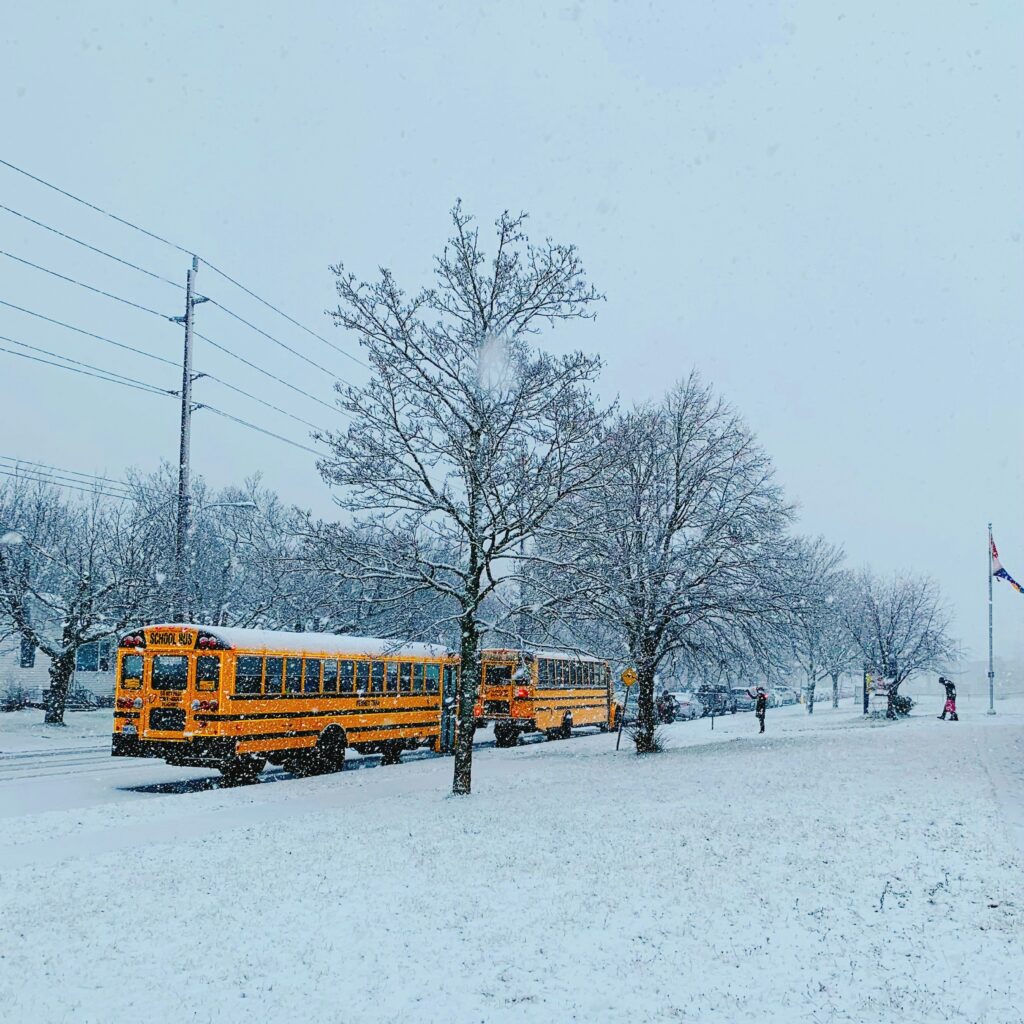
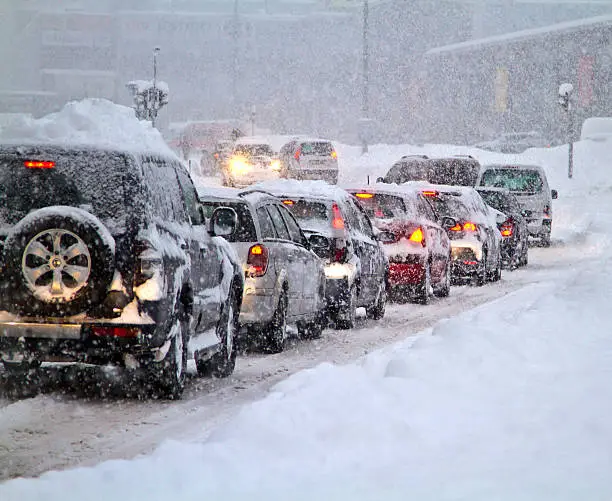
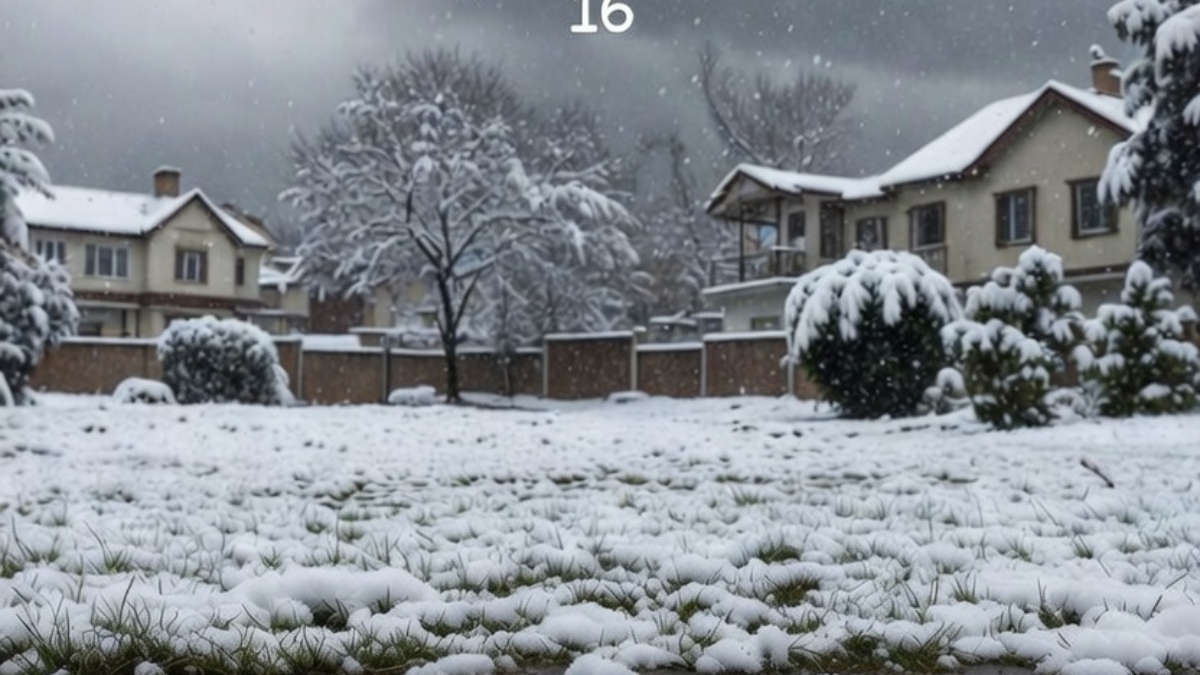
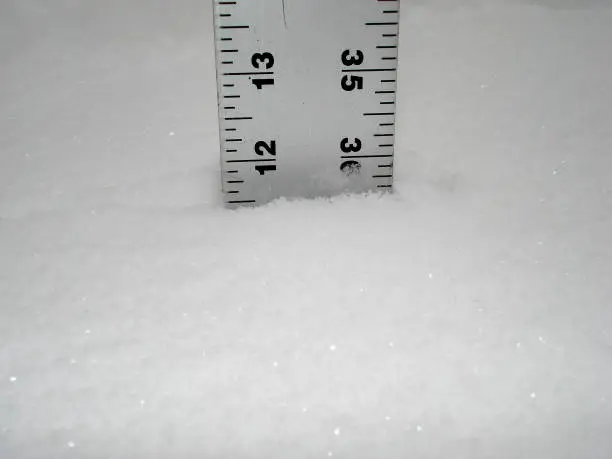
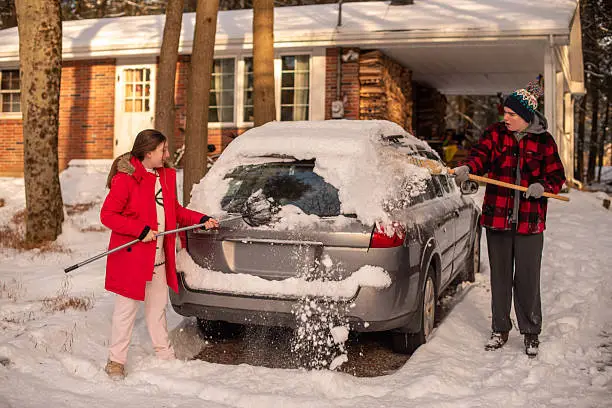
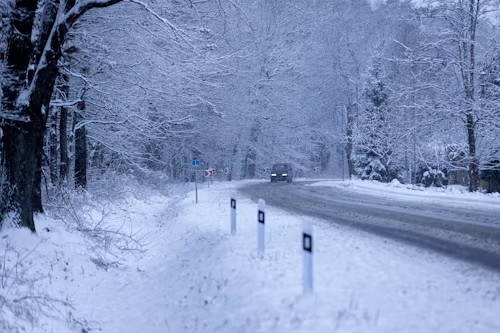
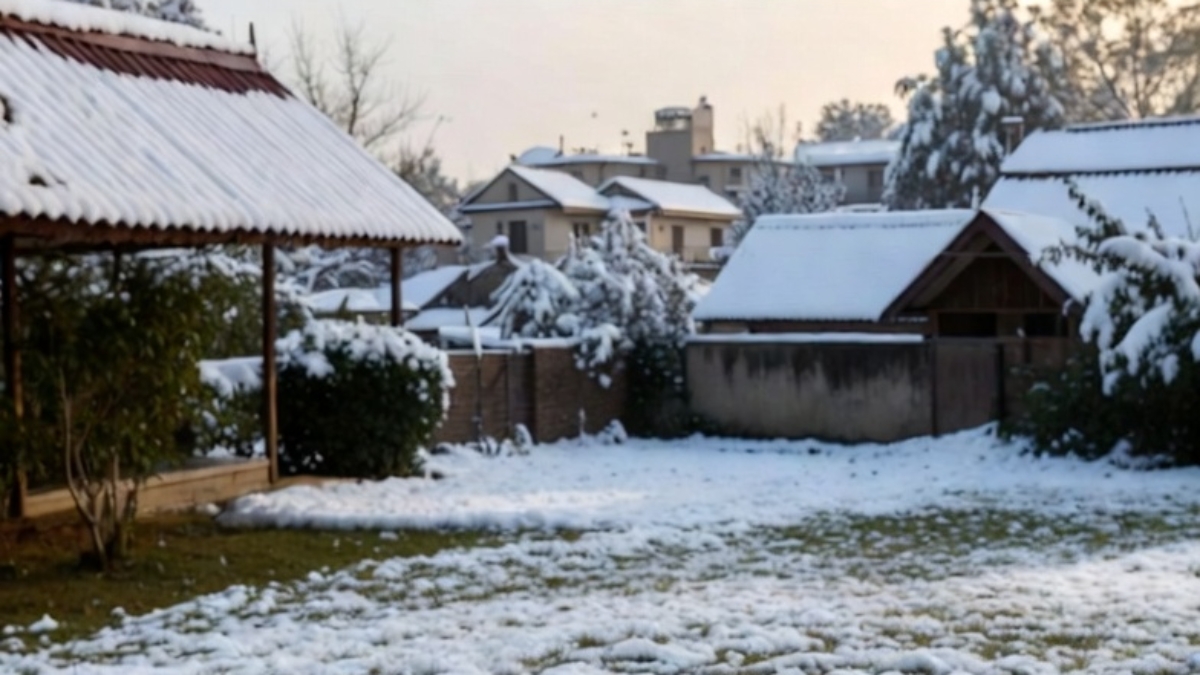
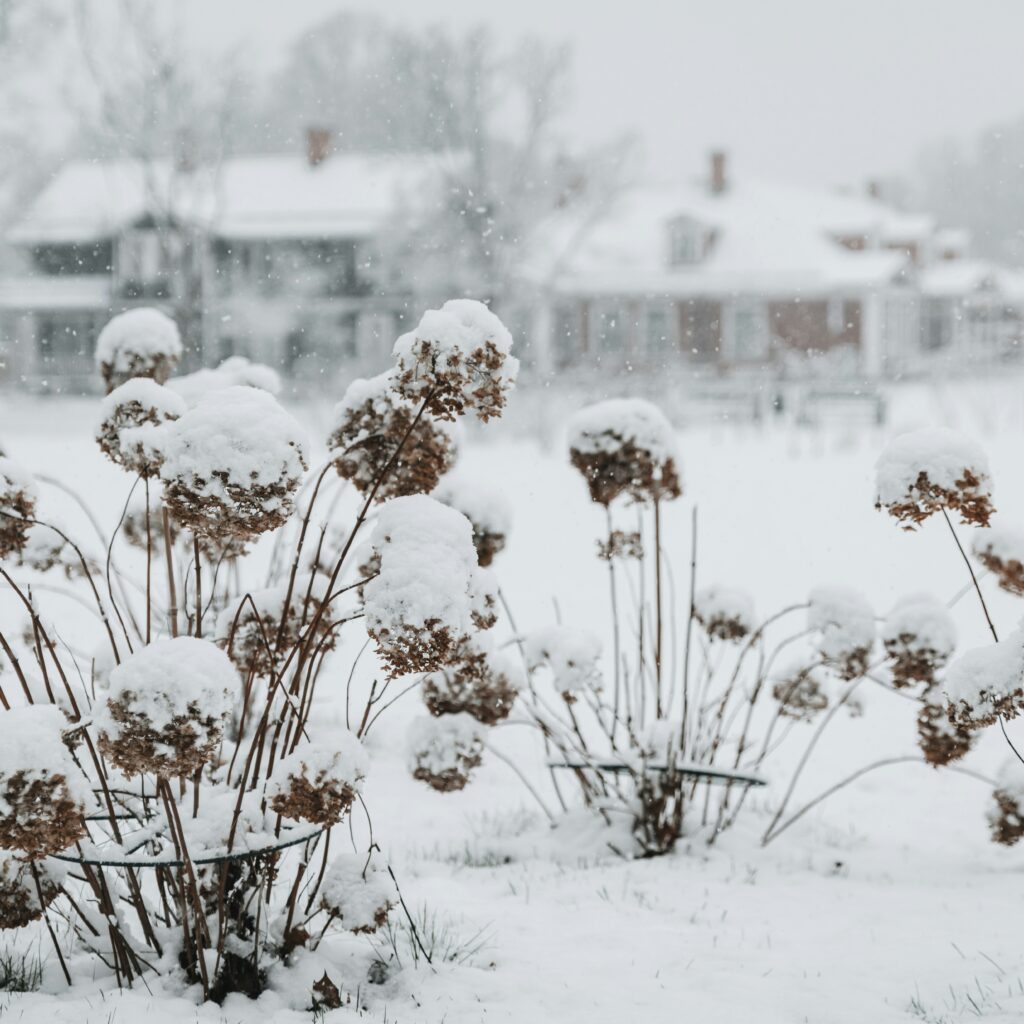
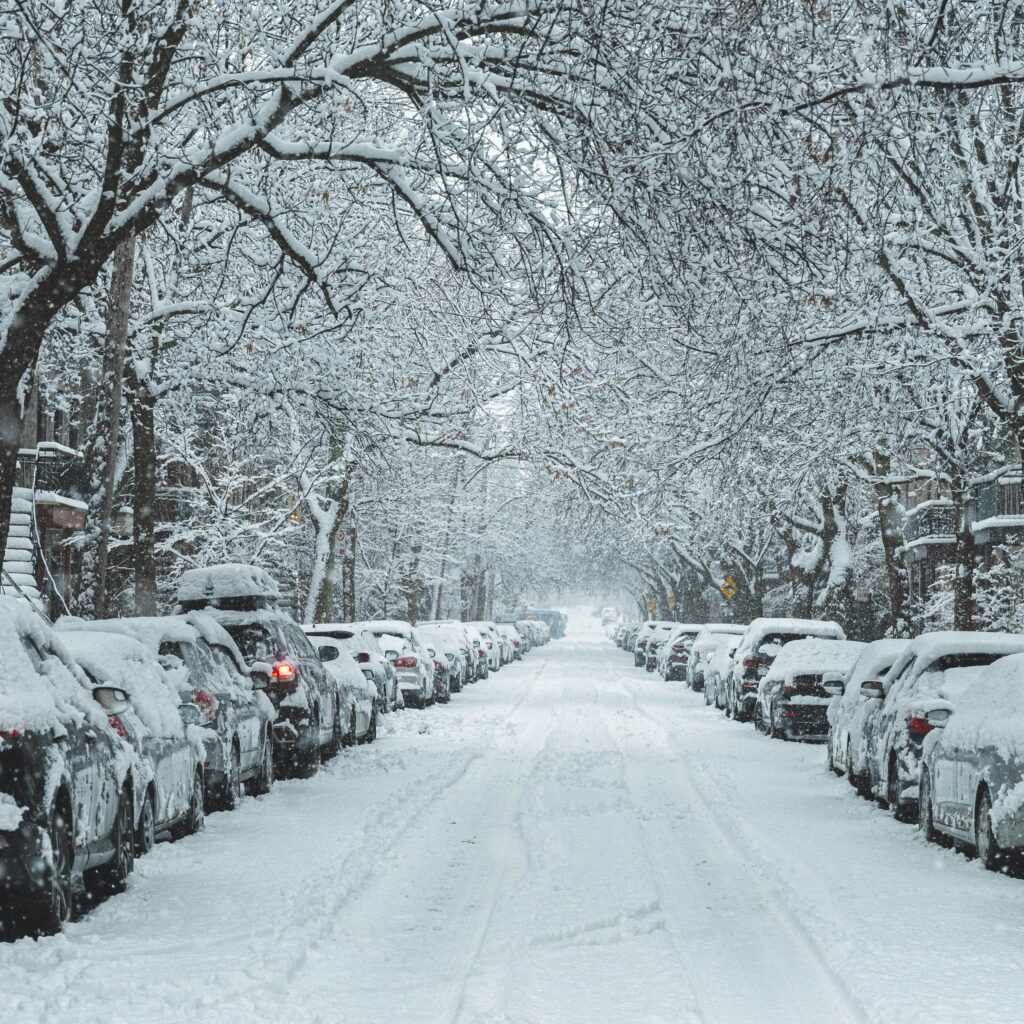
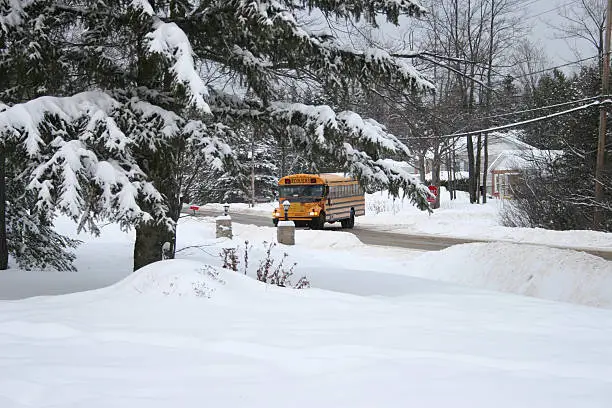
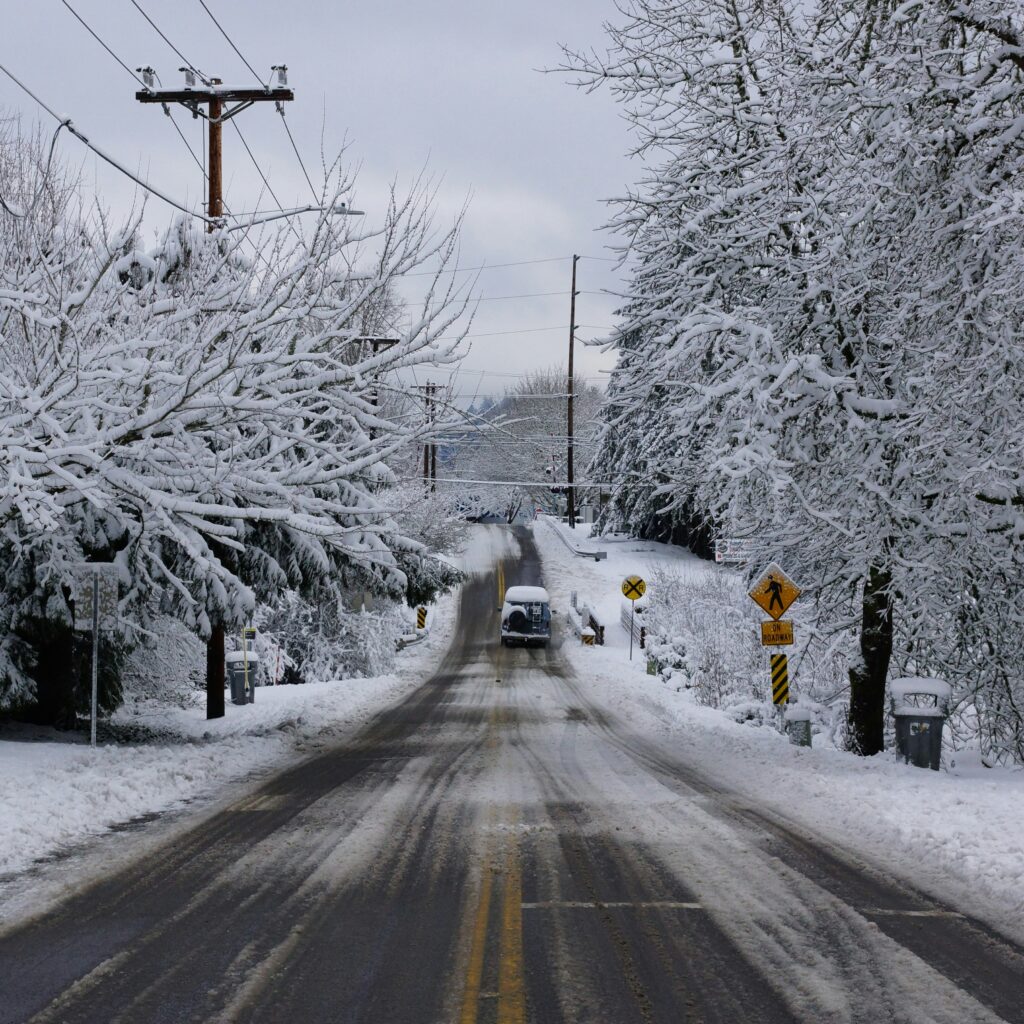
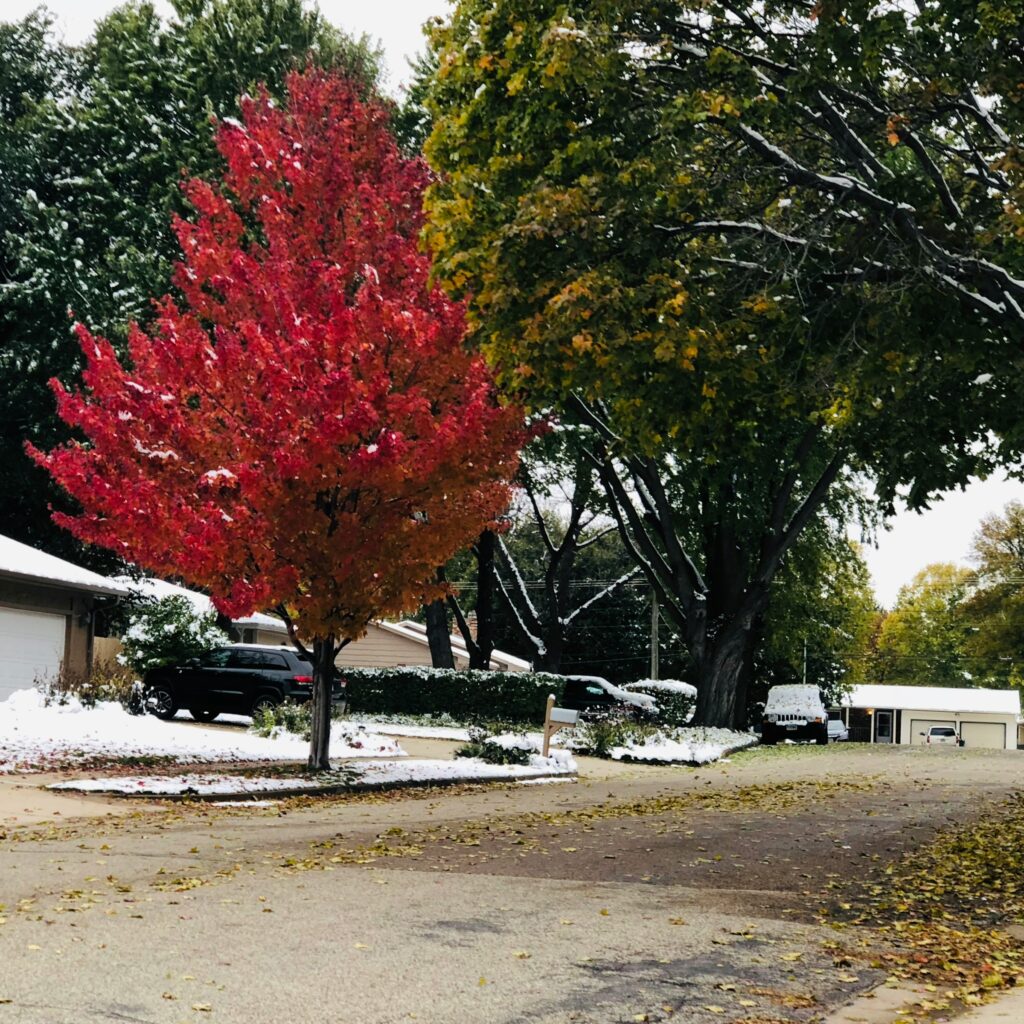
School closings are more often caused nowadays by winter weather such as snow, ice, and freezing temperatures. In most places, school districts are very keen on road safety, weather predictions, and other local conditions and make decisions on whether to close schools, postpone the opening time or move to online classes. Local news outlets regularly publish the list of school closings today to help families plan.
Why Schools Are Closed Today
Severe or sudden weather is the most common reason for closing schools today. Students and staff can find travelling unsafe because of snowfall, icy roads, and low visibility. Power interruptions or low temperatures in certain regions are also among the factors that cause closures.
Types of School Closings
The school districts can declare various kinds of changes, depending on circumstances:
Full-day closures, where the schools are closed all day long.
Late opening, normally one or two hours.
Dismissals at an early time, when conditions become worse during the day.
Online or remote classes rather than face-to-face classes.
These alternatives assist schools in focusing on the safety of students and, at the same tim,e reduce the burden on learning.
Checking the List of School Closings Today.
Trusted sources update and provide lists of school closings for parents and students.
Local news media and television stations.
Institutional school websites.
School notifications, e.g.SMS or email messages.
Weather applications and snow days calculators.
Due to the change in circumstances, it is necessary to monitor changes early in the morning.
Impact of School Closings
The closure of schools impacts both parents and teachers. Parents might be forced to change their working hours, childcare or home learning. To maintain the learning processes, many schools will assign homework or learning online during closures.
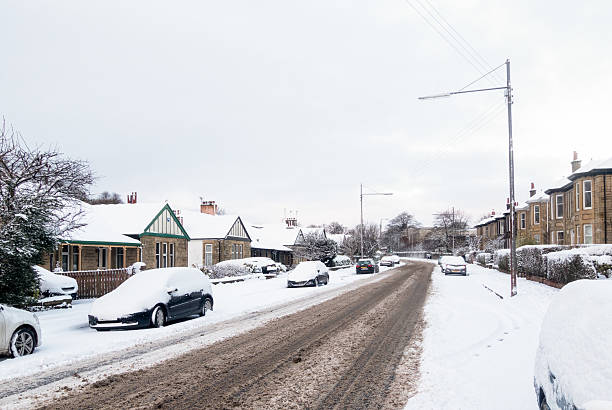
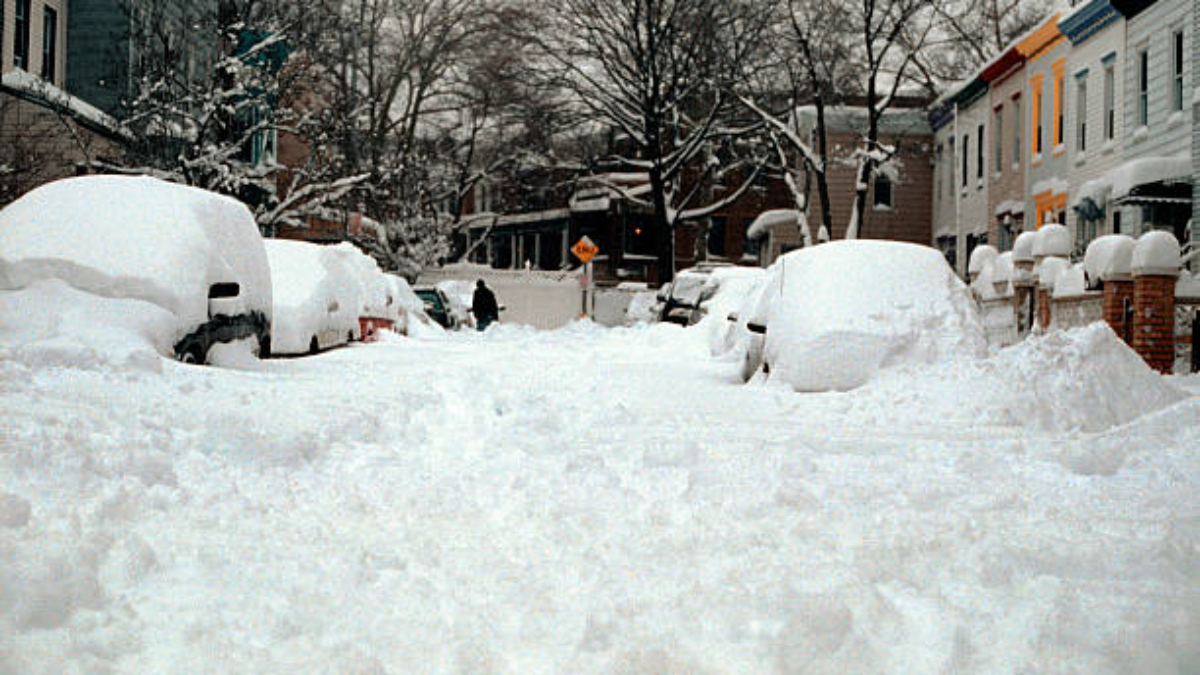
Deep snow covering an area of Glasgow’s Jordanhill during February.
Stay Updated and Prepared
Schools normally update closing announcements as weather conditions change during the day. Using official channels to provide updates helps families prepare in advance and stay safe.
Conclusion
Today, the list of school closings is a remnant of safety-first decisions of school authorities in reaction to the weather and local conditions. The best way to get the most accurate and up-to-date information is to check official school websites or local news, and people should take precautions during extreme weather.
The Snow Forecasting Winter Guide makes understanding snow patterns simple and reliable. Winter storms are such severe weather conditions that can easily change a landscape that one knows into icy and snowy conditions. When the temperature decreases, and the moisture accumulates, these storms may pose dangerous situations which influence everyday life. It is necessary to understand what to expect in order to remain safe and prepared.
Snow forecasting is crucial in forecasting the occurrence, intensity and effectiveness of winter storms. It is the meteorologists who determine the spots where the snow will fall based on the patterns of temperature, the amount of moisture available, and the position of the storms. This knowledge can assist the communities to make wise decisions ahead of the arrival of dire weather.
Correct forecasting of winter storms is vital in averting inconveniences and security of the population. Whether the planning of traveling or even the preparation of homes or business, timely updates enable people to respond well. The individuals are able to safeguard themselves and their family better in severe conditions of winter with the appropriate information.
What Is a Winter Storm?
A winter storm is a weather condition that is marked by heavy snowfall, strong wind, freezing rain or sleet. Such storms are common and usually take place when the cold Arctic air combines with warm and moist southern air to form strong storms that would cause considerable amount of snow. A winter storm can be a few days or a couple of hours depending on its intensity.
How Snow Forecasting Works
Prediction of snowstorms is accomplished by meteorologists with a composite of weather models, satellite images and radar information. Your go-to Snow Forecasting Winter Guide for tracking snow, storms, and seasonal changes. Stay ahead of storms with our complete Snow Forecasting Winter Guide.
1. Temperature Levels
The snow is formed in cases where the surface temperatures and atmospheric temperatures are freezing or below the freezing point. Any minor alterations may affect the falling of precipitation in the form of snow, sleet, or rain.
2. Moisture Availability
Weather systems pull moisture from oceans or lakes and cause heavy snowfall, especially in areas where lake-effect snow occurs.
3. Storm Track
The route of a storm will decide the regions that will be covered with snow. Even a 20-50 miles change would cause a significant shift in the amount of snowfall.
4. Wind Patterns
Forecasters use wind direction and speed to predict where snow will fall and whether blizzards or snowdrifts may form.
Through these factors, forecasters give in-depth evidence of the amount of snow to fall several hours or days before it actually falls.
Winter storm warns can be of the following types
depending on the intensity of the storm, weather agencies issue various alerts:
Winter Weather Advisory
Issued in situation where there is a light to moderate snow that may affect travel.
Winter Storm Watch
Giving a notice of possible heavy snow, ice or hazardous weather conditions in 24-48 hours.
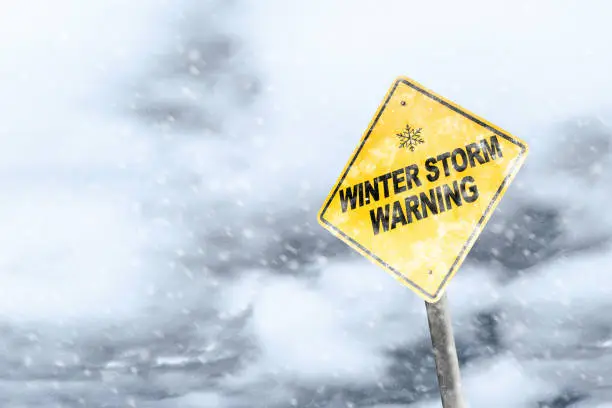
Winter Storm Warning
The amount of snow or ice is likely to be of great danger and is issued when a large amount of snow or ice is anticipated.
Blizzard Warning
Their release is in the case of strong winds and heavy snows that form near zero visibility and life-threatening conditions.
These notifications will assist communities in preparing and making the required precaution.
Effects of Winter Snowstorm
Winter storms may affect all the spheres of life:
Transportation Delays
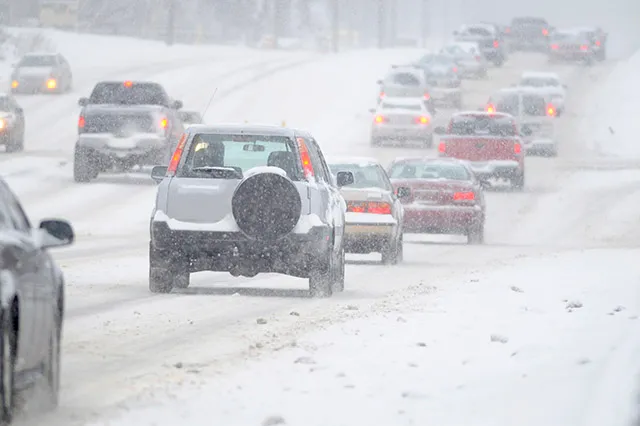
The snow-covered roads and the icy highways lead to traffic jam, accidents and cancellations of the flights.
Closures in School and Business.
When the snow is significantly high it can be shut down temporarily to maintain safety.
Power Outages
Accumulation of ice on power lines may interfere with power.
Health Risks
Without appropriate precaution, cold temperatures can lead to frostbite, hypothermia or any other cold-related diseases.
Preparation Guide: Winter Storm
One needs to remain alert. Some safety tips include:
Prepare additional blankets, warm clothing and emergency supplies in the house.
Precharge all the electronic devices.
Do not use unnecessary travel during a snowy season.
Buy basic grocery and pharmaceutical supplies.
Keep abreast with sound weather forecasts.
Good preparation will minimize the risks and comfort in the frozen winter.
Conclusion
Forecasts of winter storms in the form of snow are very important in keeping people updated and out of danger. Through learning how the meteorologists forecast the occurrence of snow and the possible effects of winter storms, people and communities can be able to prepare. Weather in winter can be gorgeous, however, it is necessary to respect its power and think about it.
Frequently Asked Questions
What is the most accurate snow predictor?
OpenSnow is your trusted source for the most accurate forecast, snow report, and severe weather maps.
Is snowfall hard to predict?
Snowfall amounts can vary a lot during storms and can be difficult to forecast, especially 2 – 3 days before the storm.
How do I know if snow is coming?
Learn how to set a barometer and how to read a weather map in order to track changing weather conditions for yourself. Typically, falling atmospheric pressure signals coming precipitation. If air temperatures are right, precipitation will fall as snow (typically between -2° and 2°C or 28° and 35°F).
What makes 90% of snow?
Because snow is comprised of 90 to 95 percent trapped air, it means it’s a great insulator. This is the reason many animals burrow deep into the snow during winter in order to hibernate.
How warm is too warm for snow?
Snow forms when the atmospheric temperature is at or below freezing (0°C or 32°F). If the ground temperature is at or below freezing, the snow will reach the ground. However, the snow can still reach the ground when the ground temperature is above freezing if the conditions are just right.
Snow forecasts of winter storms is a forecast of the occurrence of snow. How much snow is anticipated, and which areas are likely to be affected? Weather gurus employ weather models, radar. Satellite information to make sound forecasts about the amount of the snow.
The snowfall predictions are significant in winter weather forecasting. They assist in travelling, safety in case of an emergency, and daily planning. Through the knowledge of snowfall forecasts, individuals can minimize risks when there is a winter storm.
The method of predicting snow by Meteorologists.
Meteorologists employ various instruments to produce precise winter storm predictions. These are satellites, weather radars, computer models and ground based weather stations. Through observation of cloud cover, atmospheric pressure, direction of the wind. And the temperature conditions, the professionals are in control to foresee the sites and times of snowfalls.
One of the determinants of snowfall is cold air. When the temperatures are low and there is moisture in the atmosphere. Rain does not fall but it is precipitation in the form of snow. The slight variations of temperature can influence the quantities of snowfalls. That is the reason why updated winter storm snowfall forecast.
Winter storms cause rapid changes in the weather. Snow may result in unsafe roads as they are icy. A snowforecast of a winter storm assists individuals heed to them. Secure in extreme winter conditions.often.
Content Knowledge of Snowfalls.
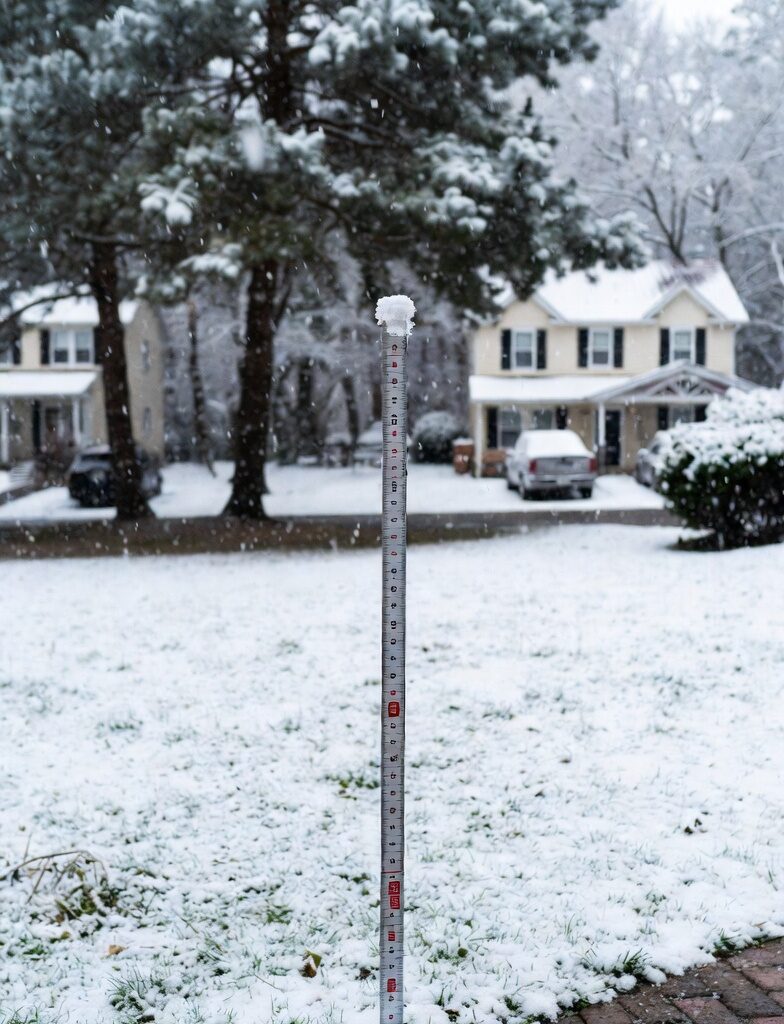
Meteorologists normally measure snowfall in inches or centimeters. It is common to see types of forecasts which include a range of the anticipated amount of snowfall like 2-4 inches or 6-10 inches.Meteorologists use these ranges to explain variations in the direction or strength of a storm
The slight snowfall can lead to slight delays in traveling. Although the snowfall may be heavy causing road closures, power power outages, and school closures. At elevated altitudes and colder climates, more snow is received than in lower altitudes.Meteorologists provide snow forecasts of winter storms.
Winter Storm Warnings and Advisories.
Weather agencies give different alerts based on the severity of storms. A winter weather advisory indicates expected light to moderate snow.
And may cause inconvenience. A warning of a winter storm implies that there would be a lot of snow, which might be hazardous.
Extreme cases also lead to a blizzard warning being issued. When a lot of snow and heavy winds make visibility hard.These warnings make individuals know when to remain at home. Modify the travel plans, or follow safety measures.
Effect of Winter Storm Snowfall.
Winter storms may impact the normal life in various ways. Snow roads are dangerous to drive on, whereas ice on the sidewalks puts one at risk of falling or sliding. During intense storms, airports can delay or cancel flights, and businesses can shut down.
Snowfall may also cause stress on the power lines and trees which results in outages. For this reason, meteorologists make timely snowfall predictions. Critical emergency services and city planners.
How to Prepare for Snowfall
It is simpler to be prepared to face a winter storm. In the event of a predictable amount of the snowfall. Individuals are stockpiling emergency supplies. These include hot garments, food, water and flashlights. Cars must be prepared in winter, and they should have the right tires and fuel.
Being updated on weather enables people to be informed. And families to adapt to new circumstances.
Significance of Correct Forecasts.
Effective snowfall predictions of winter storms lead to minimization of risks and saving of lives. They enable governments to arrange snow clearing. Control traffic and give out warnings on safety. To the individuals, forecasts bring peace and ease in the daily planning.
Although weather can change . Contemporary forecasting systems are still getting better. Predicting snowfalls as never before.
Conclusion
Snowfall forecasting of winter storms is a very important constituent of winter weather planning. Through forecasting the quantity of snowfall, time, and location. Such predictions will keep individuals safe and ready. The knowledge of the snowfall forecasting enables the individuals. To make intelligent decisions in the event of winter storms. With the winter on, keeping up. The most appropriate way to deal with snowfall event is with local weather forecasts and mitigate its effect on the everyday life.
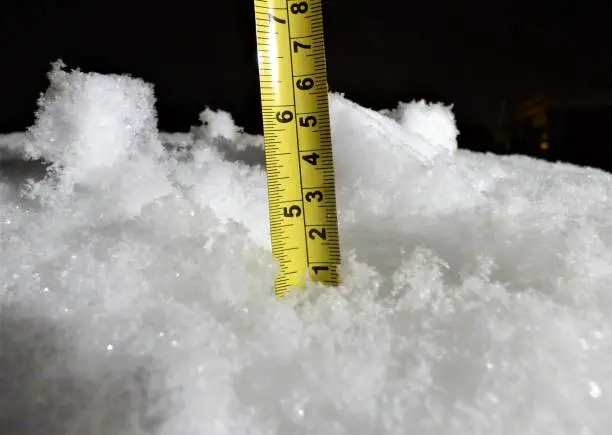
The amount of snow that falls is normally quantified in different units against the nation or origin of the weather. There are reports of weather that show the depth of snow in millimeters and those that show it in inches. That is why people should know how to convert 4mm into inches to use snow calculators and winter weather predictions.
An Introduction to Snow Measures.
The light snowfall is usually measured using the metric system of ice or sleet accumulated in millimeters. In the United States and other regions of the planet, the popularity of snow reports is in inches. Snow calculators use these measurements to calculate snowfall, road conditions, and the possibility of school closures or travel delays.
4mm to Inches Snow Conversion
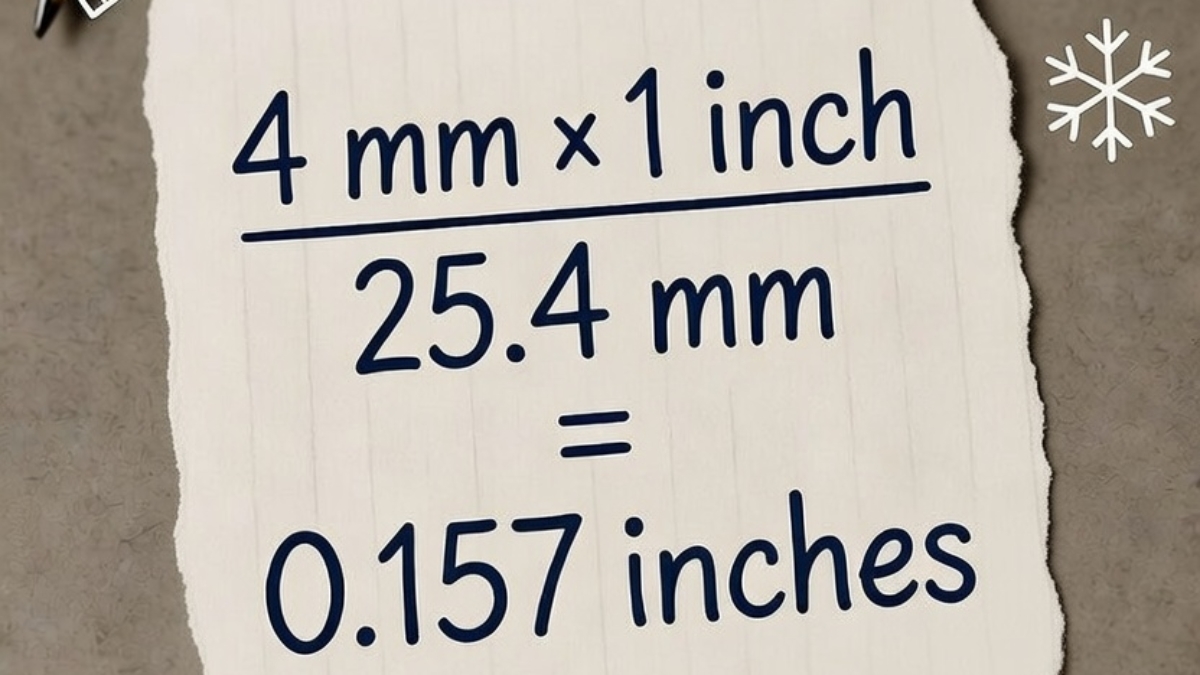
Millimeters to inches = The normal formula is:
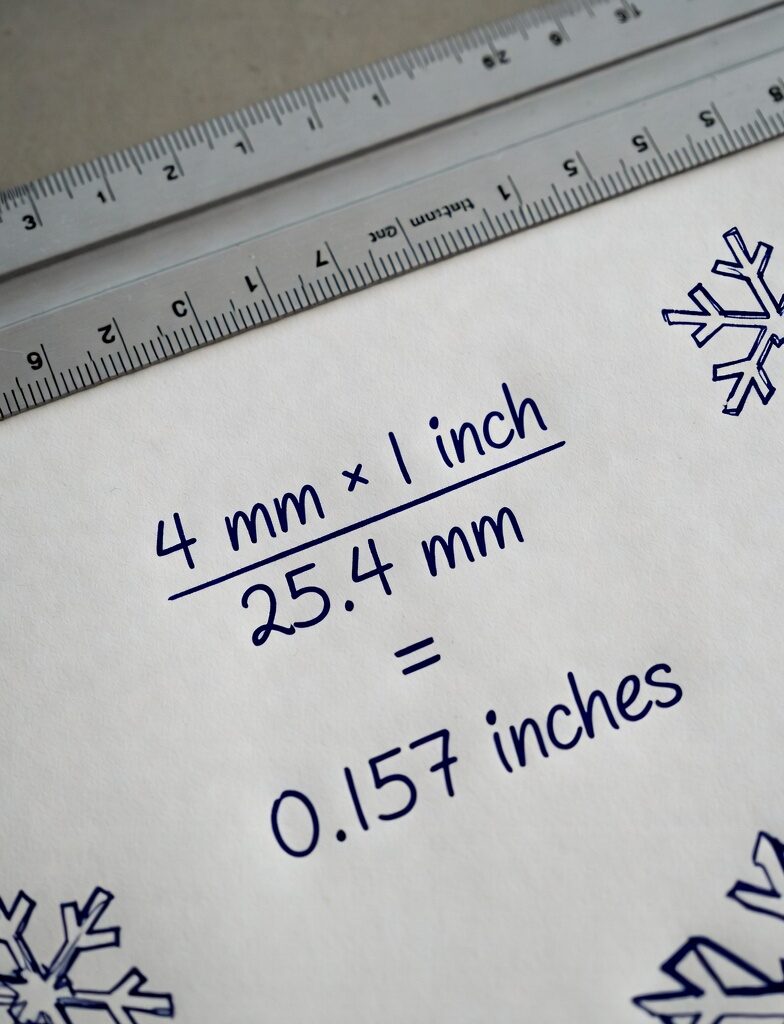
1 inch = 25.4 millimeters
Now convert 4mm to inches:
4 ÷ 25.4 = 0.157 inches
Thus, 4mm of snow has a weight of approximately 0.16 inches.
What does 4mm of Snow mean?
Snowfall of 4mm is referred to as the lightest one. It is usually in the form of a fine dust on the ground, roof tops, or cars. In the majority of cases, such an amount of snow does not present any serious problems of movement but may make the surfaces slightly slippery, in case the temperature is near to the freezing point.
Conversion Matters in a Snow Calculator.
Proper measurements help forecast snow impact through snow calculators. Users convert inches into millimeters to understand how thick the snowfall was and prepare against the weather. This also helps compare the prediction with the forecast. Schools and early morning commuting decisions should consider even 4mm.
Quick Guide to Calculations of Snow.
1 mm of snow ≈ 0.04 inches
4 mm of snow ≈ 0.16 inches
Conclusion
You may use predictions of a snow calculator so that you may know how to read the predictions. An inch of snow falls is 0.16mm and it implies light snow fall with minimal impacts, but there isa probability of smoothness.
Speaking about snowfall and snow calculators at the Internet, correct unit conversions are the main clue to the appropriate analysis and interpretation of the data. The majority of weather reports in most areas of the world display the precipitation in millimeters. Most of the users who are mostly in the United States prefer the precipitation in inches. This difference makes it especially important to convert 10mm to Inches to be able to interpret snow predictions.
Any individual should know how to convert millimeters to inches after winter storms, snowfall, or when reading day-to-day weather reports to avoid confusion. A calculator would be of great assistance when the users of the snow calculator are able to clearly discern the values of the measurements. Even in minimal amounts, snow can have an impact on the travelling, safety and day-to-day planning.
This guide explains how to convert 10mm to inches and why this conversion is necessary. How can this conversion can help users understand better forecasts of snowfalls with the help of a snow calculator?
Millimeters and Inches
Weather forecasters around the world measure the scale in the metric system using millimeters (mm). The imperial system of measurement also has inches (in) which are commonly available in the United States and other regions. Snow calculators frequently use both units because they tend to consolidate information.
Without it, the quantity of snowfalls is difficult to compare or even to understand what the real impact of a forecast is. This is the reason snow calculators are likely to have an automatic conversion option. That a user will be able to view the results in his preferred unit.
How to Divide Millimeters into Inches.
The conventional conversion equation is easy and dependable:
1 millimeter = 0.03937 inches
Using this formula anyone can have the ability of knowing the number of inches of any millimeter correctly. It can be very useful especially when dealing with values such as snow accumulation that involve 10mm, which is very characteristic of winter weather forecasts.
How to Convert 10mm to Inches
To convert 10mm to inches, the formula below should be used:
10mm × 0.03937 = 0.3937 inches
Rounded off 10mm is approximately 0.39 inches.
Such a transformation suggests that 10mm fall of snow is light. It does not cause major inconveniences but it may still have effects on the situation on the roads especially where the temperature is lower than zero.
What 10mm of Snow Means in Real Life
Being aware of the true scale of the snow based on the 10mm of forecast that the forecast data will bring can bring the users closer to the forecast data.
Light Snow Accumulation
The amount of light snowfall that is normally considered light is the 10mm (0.39 inches). It may be that it is over roads, sidewalks, and cars, but is not usually massive snow removal.
Travel Considerations
Although light snow of 10mm deep may make surfaces slippery especially during the early mornings, or during the night. The pedestrians and drivers will be put on the alert.
Weather Pattern Indicators
In the majority of cases, 10mm of the preformed snow could mark the beginning of a larger winter storm. Conditions variations can be tracked with the assistance of a snow calculator
The Snow Calculator: Accuracy with a Snow Calculator.
A snow calculator enables its users to estimate the depth, timing and affect of the snowfall basing on parameters like:
Air temperature
Precipitation rate
Snow-to-liquid ratio
Wind speed
Converting values such as 10mm into inches ensures that people using the calculator receive accurate, easy-to-understand results. This is especially useful for users who are accustomed to measurements in inches, as it helps them plan travel or school schedules.
The significance of Accurate Conversions.
Any slight error in measurements may result in misinterpretations in the predictions of snowfall. The fact that 10mm is equal to 0.39 inches enables users to interpret forecasts properly and make preparations. Precise conversions make travel choices, improve scheduling, and winter preparedness.
Conclusion
The conversion of 10mm to inches is an easy but worthwhile exercise to those who are to use snow calculator or even to those who monitor weather news during winter. At 10mm that is about 0.39 inches, users can have a better idea of the snowfall effect and prediction accuracy. Appropriate conversions ensure the snow calculators are reliable and help the people stay updated in the winter season.
It is necessary to know how to convert measurements in order to interpret snow forecasts. And 20mm Snowfall Inch Conversion makes use of weather tools. The millimeters are widely used in reporting precipitation in many regions, whereas the inches are also used making it difficult to the user. This renders such conversion such as 20mm to inches particularly critical to clarity.
In time predictions of snowfall even slight variations in units can affect the ways in which individuals gear themselves up against winter weather. Measurement conversion can make users know the depth of the snow and the risk of traveling as well as possible disruption. This is the reason why the snow calculators tend to rely on the accurate unit conversion.
It is useful to know how to measure millimeters to inches whether you are checking a weather report or you are planning a trip during winter and you need to keep track of a storm. Forecasts are usually presented in terms of 20mm conversion and so the conversion is not a difficult one to be familiar with. Effective conversions produce effective decisions and increased winter preparedness.
The necessity of 20mm Snowfall Inch Conversion
The measurement of snowfall depends on the units used, as per the country or the service used to predict snowfall. Most weather agencies around the world report the precipitation in millimeters whereas the United States is using the inches. Such a combination of units can be confusing to the users who are dependent on snow calculators particularly when they would want rapid and precise conversions.
When the millimeters are converted to inches, users can gain access to easier interpretation of the snow forecasts, compare the weather reports on a regional basis, and make effective decisions regarding winter travel, school closures and home preparation. Because many snow calculators use both the metric and imperial system, understanding how to convert the two is more accurate and convenient.
Learning the Conversion: millimeters to inches
To change the millimeters (mm) to inches (in) you have to know the basic formula, which is as follows:
1 millimeter = 0.03937 inches
This conversion unit allows one to convert the measurements in a given metric to a commonly used imperial unit. By applying this formula, it is easy to convert any millimeter to inches, including the 20mm that is widely identified.
How to Convert 20mm to Inches
Let’s apply the formula:
20mm × 0.03937 = 0.7874 inches
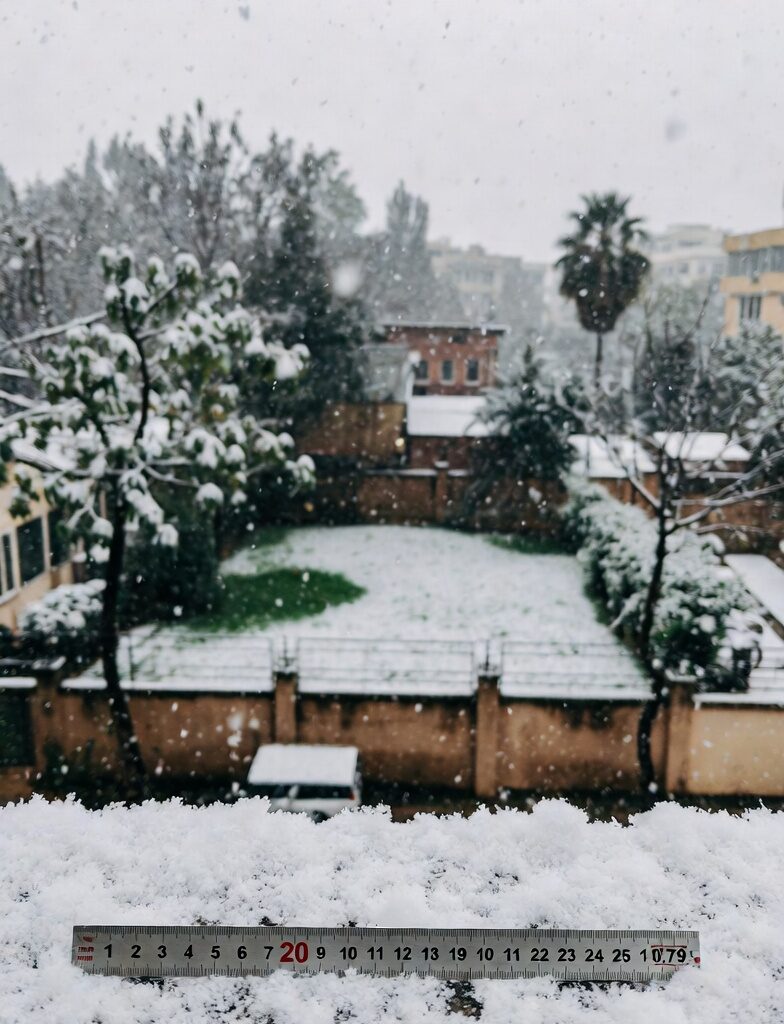
Thus, 20mm takes the value of about 0.79 inches when rounded to the nearest 2 decimal places.
The importance of this conversion lies in the fact that numerous snowfall calculators and weather applications cannot accept input in anything other than inches. The information about 20mm of snow is approximately less than an inch to enable users to have a better idea about the depth of the snow and possible dangers as well as prediction of the intensity.
The significance of 20mm of snowfall in Weather Reports
The amount of 20mm of snowfall is not a small matter. This is what it may imply in a normal winter weather:
1. Travel Disruptions
Snow depths of 20mm (0.79 inches) may result into slippery surfaces on roads, low visibility and hazardous driving conditions. Even minor amounts can lead to delays or minor mishaps.
2. School and Work Impact
Even though 20mm is not commonly substantial to induce mass closures, it can result in the reduction of the commute pace and changes in schedules. Depending on the temperature and ice-formation, schools can give delays.
3. More Snow Cleaning Requirement.
The homeowners might be required to clear the paths, driveways and sidewalks. Although not extreme, the amount is sufficient to warrant some consideration and particularly when coupled with freezing temperatures.
4. Early Warning in Forecasts
When the weather forecast indicates 20mm of the amount of snow that is expected to fall, it is usually the beginning of a bigger winter event. It becomes necessary to pay attention to the increasing numbers in order to be safe.
The application of Snow Calculators to get the Right Results
Snow calculators would assist the user to know how the accumulating snowfall could be due to many factors like:
Temperature
Precipitation rate
Wind conditions
Snow-to-liquid ratio
With values such as 20mm input, the calculator is more accurate in estimating the depth of snowfall. This is particularly true when it transforms the value into inches for use in the United States. This is to give the user an exact idea of the snow that they can anticipate.
Conclusion
The 20mm Snowfall Inch Conversion is a very easy calculation. It is still valuable to anyone who is in charge of monitoring snowfall or snow calculators. Having 20mm being equivalent to 0.79 inches, people will have a better idea on the conditions in winter, predict the severity, and what to prepare. Knowledge of this conversion is not only able to increase the weather awareness but also help to make safer decisions during the winter season.
The winter season is usually exciting and unpredictable, particularly among students, parents and school administrators. The snowy weather can ruin the routine and cause unexpected school closings. Predict Your Snow Day with accurate weather insights. The awareness of the occurrence of a snow day assists the family in making prearrangements and eliminates the last minute misunderstandings.
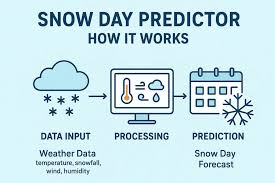
A Snow Day Predictor is an online app that predicts the likelihood that snowy weather will close a school. It allows users to have a predictive insight into the future by evaluating forecast data and local conditions as opposed to just making a guess. Such instruments have gained popularity in the areas which are highly affected by snowstorms.
Snow day predictors have useful information with readily available forecasts and sophisticated weather models. Although they cannot be sure of any closures, they assist users to be aware of the chances of a snow day and make the necessary arrangements.
What Is a Snow Day Predictor?
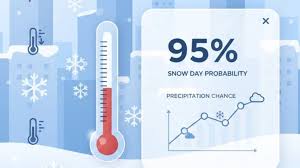
Online calculator or a forecasting tool is a Snow Day Predictor to predict the possibility of a snow day closing. It applies weather data including the amount of snowfall, temperature, speed of wind, and when the storm occurred. There are also predictors which take into account the historical patterns of closing of particular school districts.
Students who are fond of updates, parents planning the childcare and even teachers monitoring of weather patterns often use these tools. Users are provided with an estimate that is based on data rather than rumor or speculation through social media.
The predictor of a Snow Day
There are various weather conditions used in snow day predictors:
Snowfall Amount
When the amount of snowfall becomes high, the likelihood of a closure is very high. The forecasts tend to be concerned with the accumulation at night, and this influences the morning travel.
Temperature and Ice Risk
Snow may freeze to form ice during the time of freezing, which leads to unsafe conditions in the roads. A threat of ice is a heavy burden to predictions.
Storm Timing
There is a high likelihood that the storms that occur overnight or in the early morning hours will result to closures in contrast to those that begin in the later hours of the day.
Wind and Visibility
The heavy winds may form drifting snow and whiteout which heightens the safety risks even when there are moderate amounts of snow.
It is these elements that are combined to produce a percentage or a likelihood score by the predictor.
Advantages of a Snow Day Forecaster
A snow day predictor has a number of pluses:
Arranges work and childcare with parents.
Provides students with the opportunity to plan schedules.
Lessens the confusion in case of winter storms.
Gives a realistic expectation as opposed to speculations.
In areas where winter weather interruptions are common among the people, these devices bring comfort and direction.
Accuracy and Limitations
Snow day predictors are useful but they are not formal decision-making tools. The closures of schools are based on district policies, the state of roadway, personnel, and their safety inspection. There is a possibility of a predictor estimating a high probability of closure though end decisions are left to the school officials.
Weather conditions are also subject to changes and can also be very dynamic. To be the most effective, the predictors of a snow day must be applied together with the reliable local weather reports.
When to Check a Predictor of Snow Day
Users should check a snow day predictor 12–24 hours before a predicted storm. Rechecking closer to the event gives users the opportunity to review other predictions that update based on recent data. A lot of users are tracking the trends, as opposed to having a single result.
Conclusion
Snow Day Predictor is a good application to predict when school is going to be closed during winter season. It is using informed estimates based on the snowfall, temperature, time of the day and the intensity of the storm to equip the families in case they have to get ready. These predictions are not a sure thing, but they provide a great deal of useful information when there is uncertainty about the winter conditions, and the snow days become more manageable.
Frequently Asked Questions
How accurate is a snow day predictor?
A snow day predictor provides an estimated chance, not a guarantee. It uses weather forecasts, snowfall amounts, and temperature data to calculate probability. Accuracy improves as the storm gets closer. Final decisions always depend on school district policies and road conditions. It should be used as guidance, not confirmation.
When should I check a snow day predictor?
The best time to check a snow day predictor is 12 to 24 hours before the expected storm. Forecasts become more reliable closer to the event. Many users check multiple times as weather data updates. Tracking trends gives a clearer picture. Early checks help with planning.
What factors determine a snow day?
Snow days depend on snowfall amount, icy conditions, wind, and storm timing. Overnight storms increase the chance of closures. Road safety and bus route conditions are critical. School staffing and local policies also matter. Weather alone does not decide closures.
Can a snow day predictor predict delays as well as closures?
Yes, many snow day predictors estimate both delays and full closures. Lower snowfall amounts often result in delays rather than closures. Ice and freezing rain increase the likelihood of delays. Results are usually shown as a percentage. Always confirm with official school announcements.
Are snow day predictors free to use?
Most snow day predictors are free and accessible online. Some advanced tools may offer extra features or apps. Free versions still provide useful insights. They rely on publicly available weather data. Users can access them without registration.
Do snow day predictors work for all locations?
Snow day predictors work best in regions that experience regular winter storms. Accuracy may vary based on available local weather data. Urban and rural areas can have different results. Some tools allow users to select their specific school district. Local customization improves reliability.
The Thanksgiving Winter Snow Forecast suggests snowfall in northern regions. The most common features of Thanksgiving are warm meetings, trips, and Christmas dinners. However, a snowstorm in the forecast will change it all within a short time. Snowstorms in the course of Thanksgiving bring both beauty and problems. The roads are slippery, the airports are delayed, and travellers must be ready for unexpected circumstances.
What Is the Thanksgiving Weather Pattern?
The time of the year when Thanksgiving takes place is when the weather changes between early winter and autumn. Northern cold air starts mixing with the southern moisture. The collision of these two leads to the formation of a winter storm. The signs that the weather watchers observe include decreasing temperatures, heavy cloud cover, and heavy winds.
A combination of these may cause heavy snow, icy rain, or even freezing temperatures, mostly in the north and east of the country.
Where Snow Is Most Likely
The storm does not occur equally everywhere. There are more favourable places to be covered with snow:
Northern States
Areas near the Great Lakes usually receive lake-effect snow. This kind of snow is created when cold air passes over the lake water of a higher temperature, resulting in heavy snow and a thick cloud.
Northeast and New England
These regions experience pre-winter storms most often. A combination of the sea moisture and cold winds may bring enormous snow cover and even a blizzard.
Mountain Regions
Regions will make different preparations, yet all have to think about the time, severity and length of the storm.
Regions will make different preparations, yet all have to think about the time, severity and length of the storm
How a Winter Storm Affects Travel
One of the largest concerns in the case of a snowstorm that happens during Thanksgiving is travelling. Millions of individuals decide to go on trips to see their family members or friends, and harsh weather may interrupt their plans.The Thanksgiving Winter Snow Forecast warns of possible travel delays.
Flight Delays and Cancellations
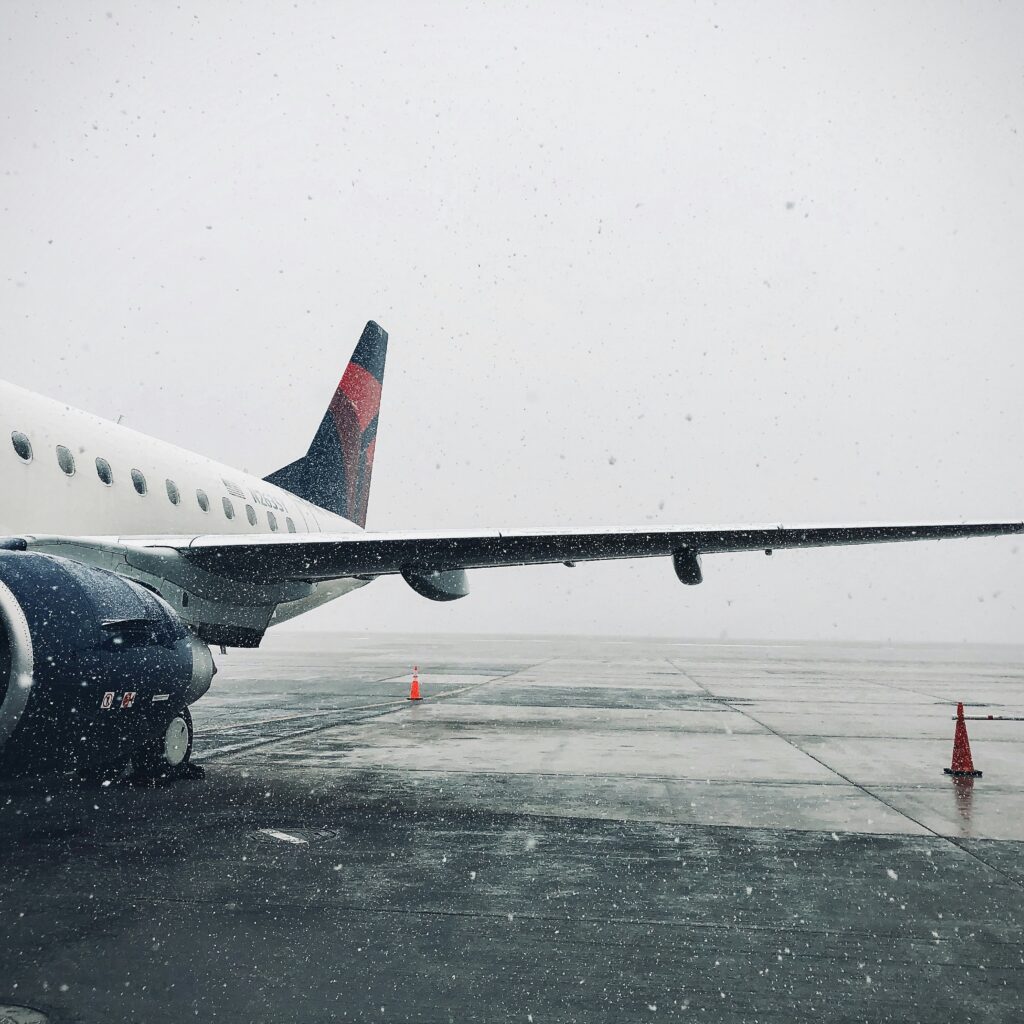
Airports may delay or cancel flights due to poor visibility and icy runways. Snow removal takes time, and airlines prioritise safety above speed.
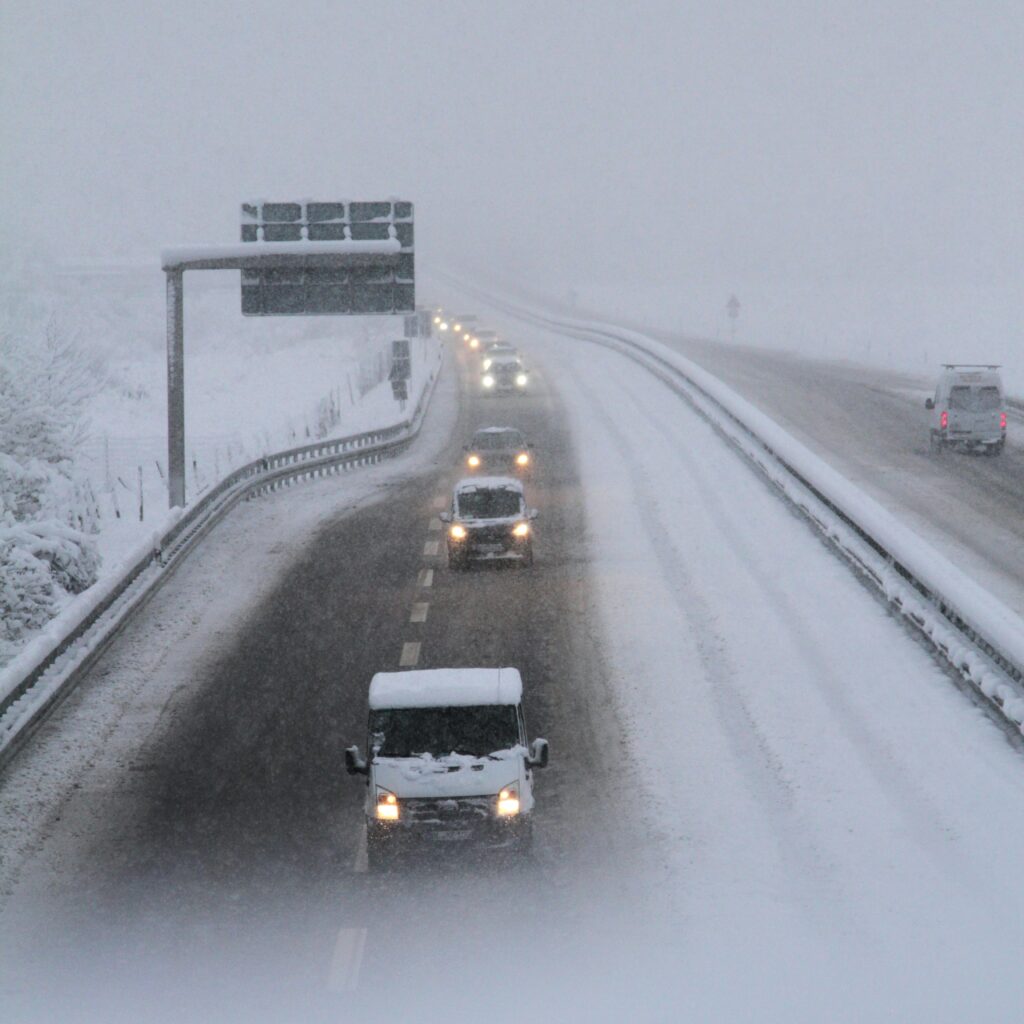
Dangerous Road Conditions
The visibility and runways may be icy, which and hence in the delay or cancellation of flights. Removal of snow is expensive in time, and airlines are more focused on safety than speed.
Public Transportation Slowdowns
Snow could be so thick that buses, trains as well and local transit systems would either slow down or even come to a halt.
The tourists are advised to create space, watch the weather, and have emergency supplies with them.
Safety Tips During a Thanksgiving Snowstorm
It makes a difference when one is prepared. The following are easy precautions to be taken
1. Stay Informed
Monitor weather warnings on credible sources. Weather conditions are unpredictable.
2. Prepare Your Home
Store additional food, water and batteries and blankets. Power cuts occur frequently when there is a lot of snowfall.
3. Drive Carefully
In case of driving, fill your tank, check your tyres and take some necessary things such as a flashlight, a first aid kit, and warm clothes.
4. Dress Warmly
Wear gloves, waterproof boots, hats and wear layers. Frostbite may take place sooner than anticipated due to cold temperatures and wind.
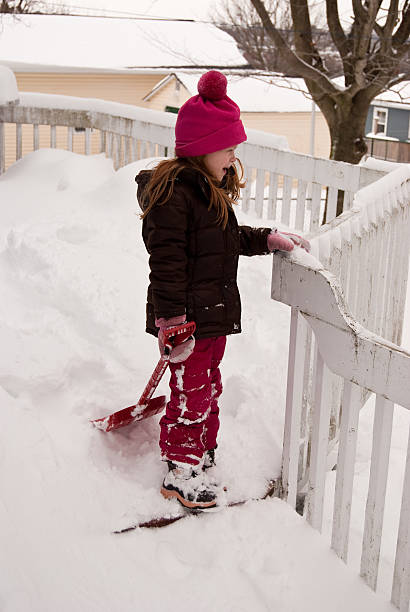
Young girl playing in the snow during a snow day, after a snow storm
The Beauty and Calm of Snowy Thanksgiving
Although storms introduce difficulties, they are accompanied by a calm and wintry mood. Streets covered by snow, light, and silence in the evenings make the holiday of Thanksgiving magical. Amid the storm, families who are home may sit in a warm spot, watch movies and have good meals, and have fun as the storm goes past.
Conclusion
According to the Thanksgiving Winter Snow Forecast, roads may be icy. It is not only exciting but stressful because a snowy Thanksgiving winter storm is exciting. It impacts the travel, the everyday activities and the level of safety, yet it also introduces another kind of flair to the holiday season. Knowledge of the forecast, prior planning, and safety will enable all people to enjoy Thanksgiving regardless of the amount of snow that falls.
Frequently Asked Questions
Will there be snow during Thanksgiving this year?
Snow during Thanksgiving depends on regional weather patterns and storm systems. Northern states and higher elevations are more likely to see snow. Weather forecasts usually become more accurate 5–7 days before Thanksgiving. Cold air from the north mixing with moisture increases snow chances. Always check local forecasts close to travel dates.
Which states are most likely to get snow on Thanksgiving?
States in the Midwest, Great Lakes region, Northeast, and New England often experience Thanksgiving snow. Mountain regions also have a higher chance due to elevation. Lake-effect snow is common near large lakes. Southern states usually see rain instead of snow. The exact impact varies each year.
How do Thanksgiving winter storms affect travel?
Thanksgiving winter storms can cause major travel disruptions. Flights may be delayed or canceled due to icy runways and poor visibility. Roads can become slippery and dangerous for drivers. Public transportation may run slower than usual. Travelers should plan extra time and monitor weather updates.
When should I start checking the Thanksgiving weather forecast?
It is best to start checking the forecast 7–10 days before Thanksgiving. Long-range forecasts give a general idea but are not always accurate. More reliable details appear within 3–5 days of the holiday. Frequent updates help track storm movement. Early awareness helps with better planning.
What should I do if a snowstorm is forecast for Thanksgiving?
If a snowstorm is forecast, consider adjusting travel plans early. Stock up on food, water, and emergency supplies at home. Keep vehicles winter-ready with fuel and safety kits. Follow official weather alerts and travel advisories. Safety should always come before holiday plans.
Can Thanksgiving snowstorms turn into blizzards?
Yes, some Thanksgiving snowstorms can intensify into blizzards, especially in the Northeast. Strong winds combined with heavy snow reduce visibility. Blizzard conditions can shut down roads and airports. These storms usually develop quickly. Staying informed helps reduce risk.