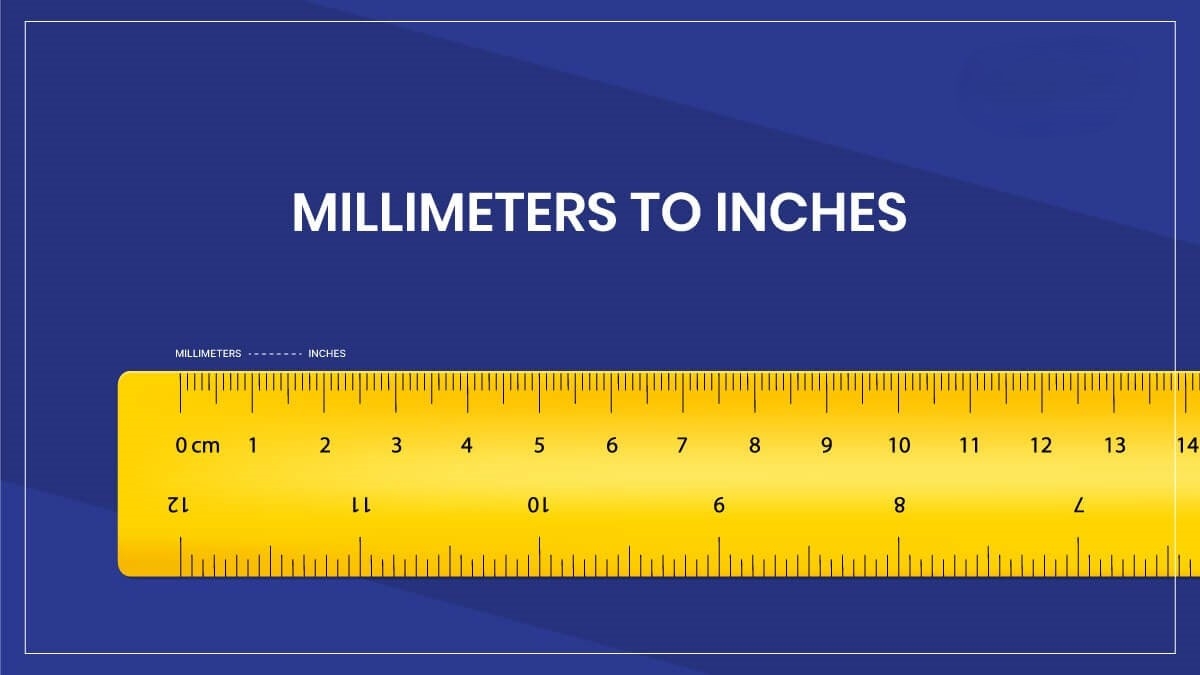
Snowfall is measured differently around the world. Different countries use different units to report the amount of snow. Convert 50mm snow to Inches easily to use the snowday calculator.
Some countries report snow depth in millimeters, while others use inches. This variation can sometimes make it confusing to compare snowfall across regions.
Knowing how to convert between these units is helpful, especially when people use a snow calculator or track winter weather predictions. It ensures accurate planning and safety during snowy conditions.An Introduction to Snow Measures
Countries that use the metric system often record light to heavy snowfall in millimeters. In the United States and some other regions, inches are more common. These measurements help snow calculators predict road conditions, school closures, and travel safety.
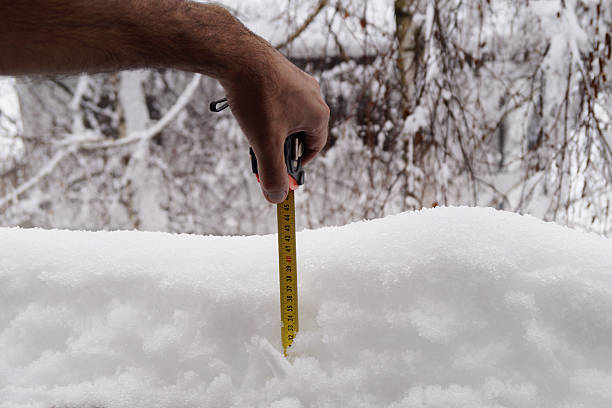
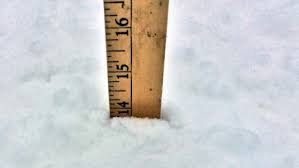
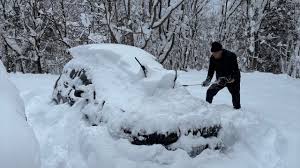
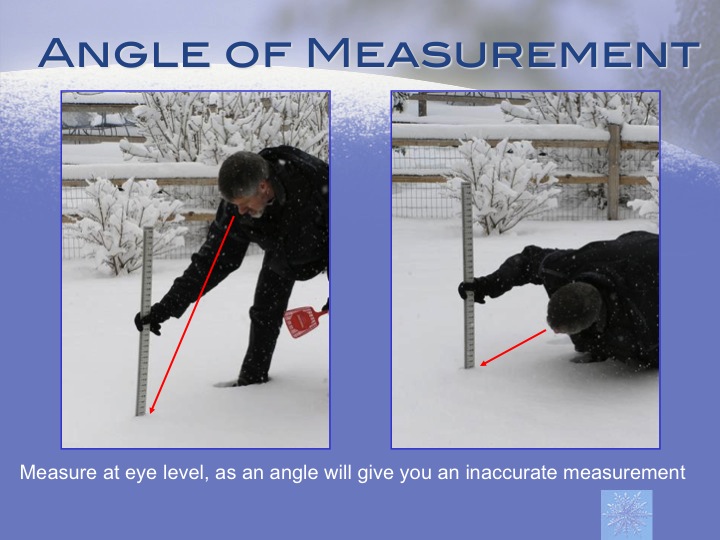
A man measures the height of the snow
50mm to Inches Snow Conversion
The standard formula to convert millimeters to inches is:
1 inch=25.4 millimeters
Now, to convert 50mm to inches:
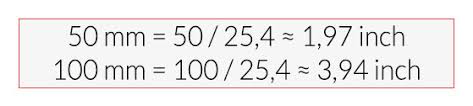
50÷25.4≈1.9685
Thus, 50mm of snow is approximately 1.97 inches.
What Does 50mm of Snow Mean?
A snowfall of 50mm (nearly 2 inches) is considered moderate. It can cover streets, rooftops, and cars and may make roads slippery. While it is not usually severe, it can affect commuting, school schedules, and outdoor activities.
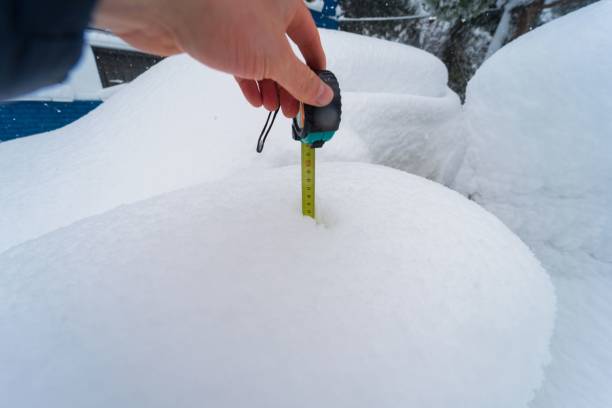
A hand holds a measuring tape against a towering snowdrift. The snow appears deep and fluffy.
Conversion Matters in a Snow Calculator
Using accurate snow measurements in calculators helps users plan ahead. Converting millimeters to inches or vice versa ensures that predictions match local reporting standards. A snowfall of 50mm (1.97 inches) can help determine if schools might close or if driving conditions may be hazardous.
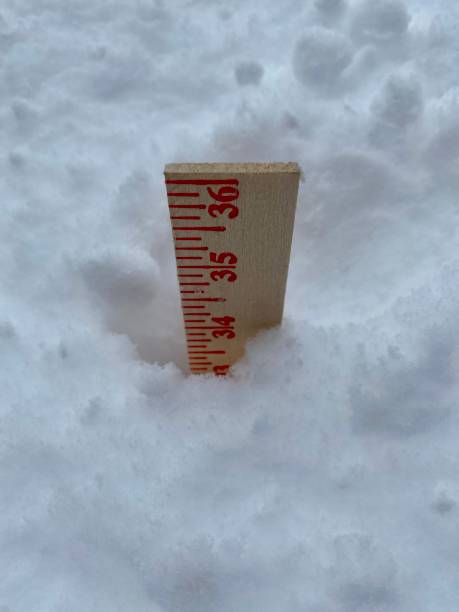
Yardstick measures pile of snow in Chicago after multiple winter storms – the latest dumped almost 18 inches.
Quick Guide to Convert 50mm Snow to Inches
1 mm of snow ≈ 0.039 inches
50 mm of snow ≈ 1.97 inches
Conclusion
Understanding snow measurements and conversions is important for planning during winter weather. A snowfall of 50 mm (1.97 inches) produces moderate snow that may disrupt daily routines, but people can manage it safely with proper precautions. Snow calculators make it easier to interpret these predictions and prepare accordingly.
When the winter weather is approaching, the first question that most parents ask is: Will schools close today? Severe weather can disrupt school schedules, travel, and safety because of snow and ice. Early school closure notices help families prepare and keep children safe with less disruption. For Accurate School Closings Predictions, use the snow day calculator.
Weather conditions, road safety, and the decision of the local authority contribute to the school closings. Some closures are clear, like heavy snow or icy roads. Others depend on less obvious factors such as wind chill, freezing rain, or uncertain forecasts. Knowledge of prediction making can assist the family in preparation and alleviation of last-minute stress.
Modern tools like weather apps, real-time snowfall tracking, and snow calculators now make school closure predictions more accurate. These resources enable school administrators and parents to predict the conditions several hours beforehand and make reasonable decisions.
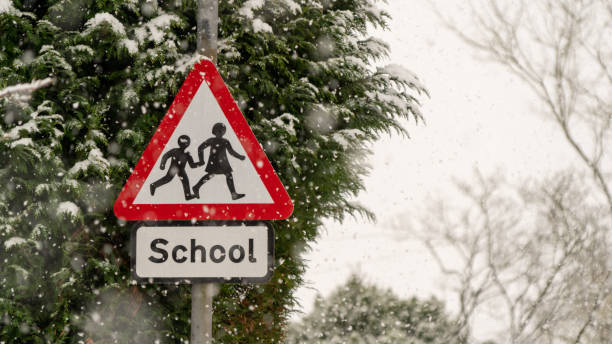
School crossing sign with falling snow
School Closings: Factors That Influence
An inclement weather may make a school close according to several important factors:
Weather conditions on the roads:
Icy roads or covered with snow are one of the primary causes of closings. Several inches of snow can make streets and highways dangerous, especially where snowplows aren’t used often.
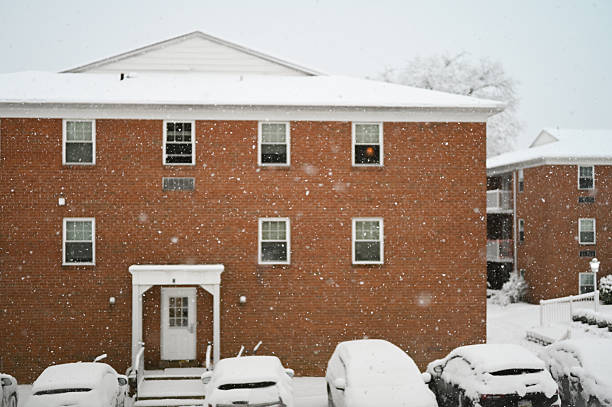
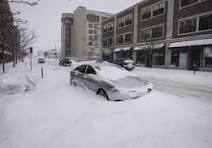
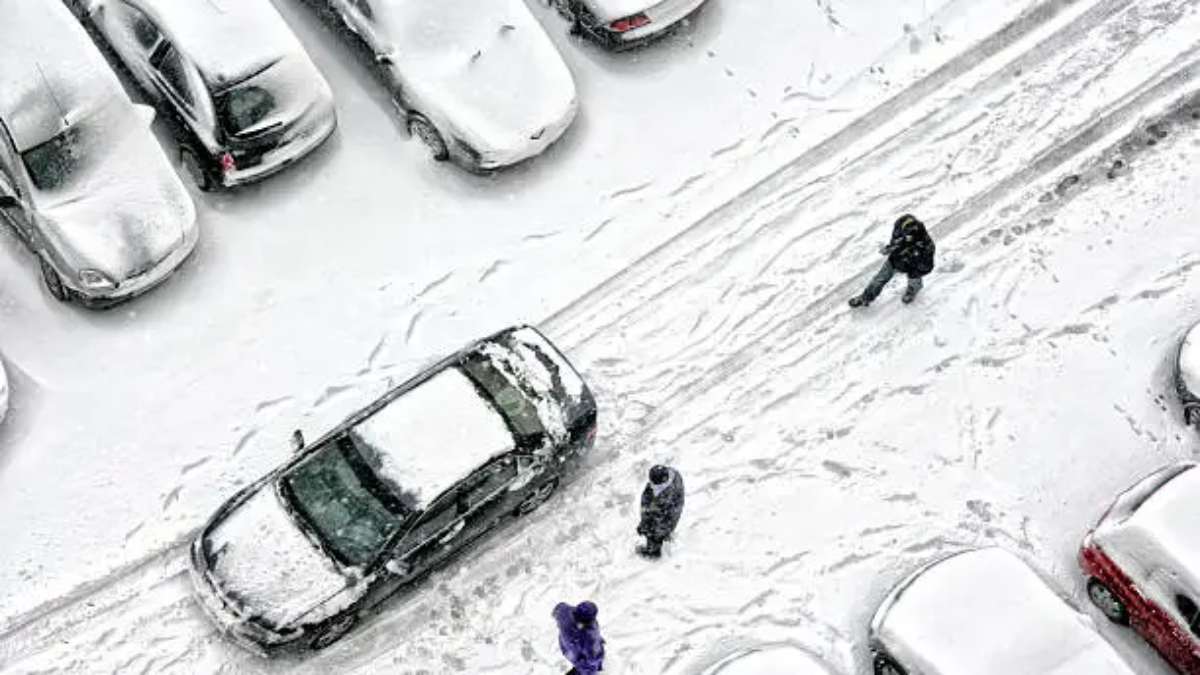
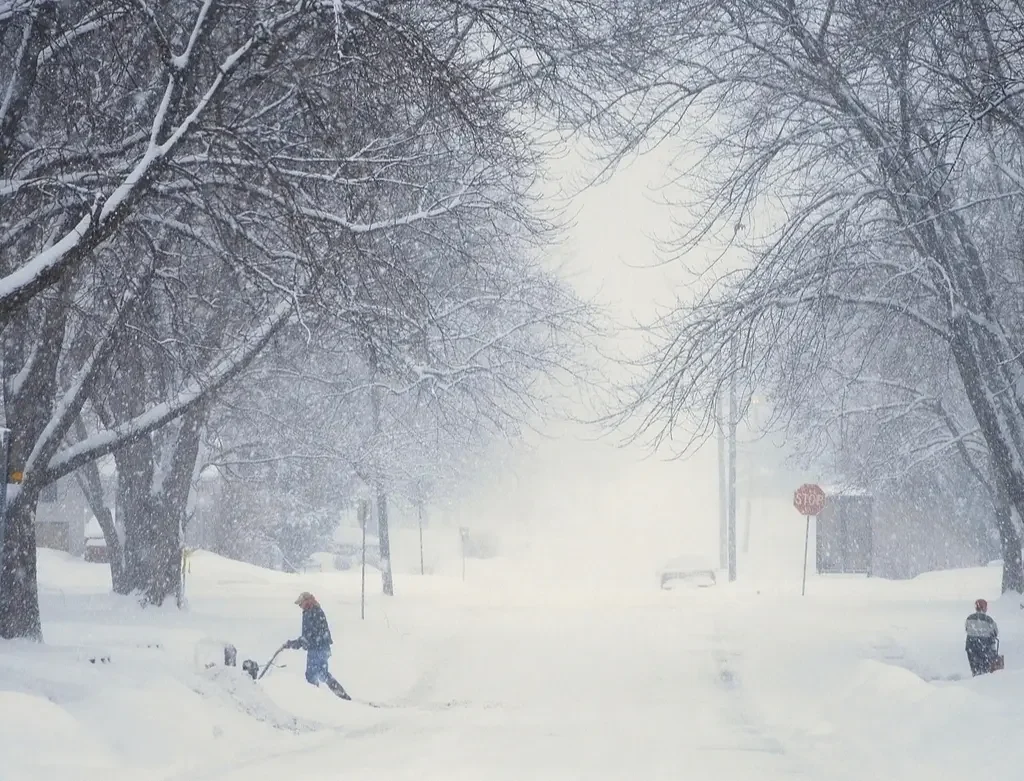
Heavy snow falling on residential brick apartment buildings and parked cars on a winter day
Temperature and Wind Chill:
Extreme cold or wind chill can make travel unsafe, forcing children to wait for buses or walk to school. These conditions are usually taken into account with the precipitation in schools.
Weather Services:
Weather forecasters predicted snow or storms during the early morning hours, when schools might close or delay opening. Snow that falls at night or in the evening often allows schools to open normally if crews clear the roads in time.
Local Readiness:
Districts have more to clear roads, treat ice or others to organize transportation. Smaller districts or the countryside might take a more reserved and shut schools earlier.
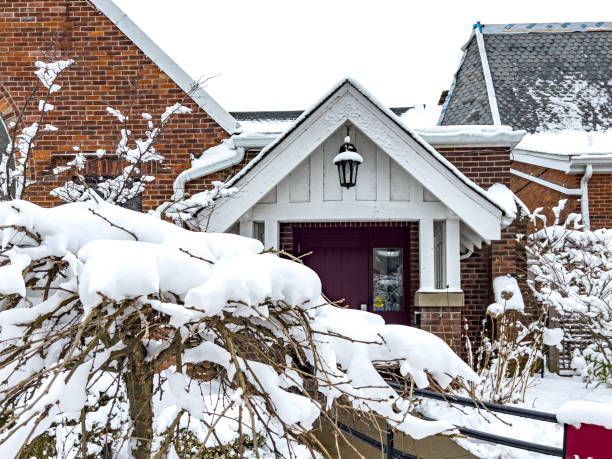
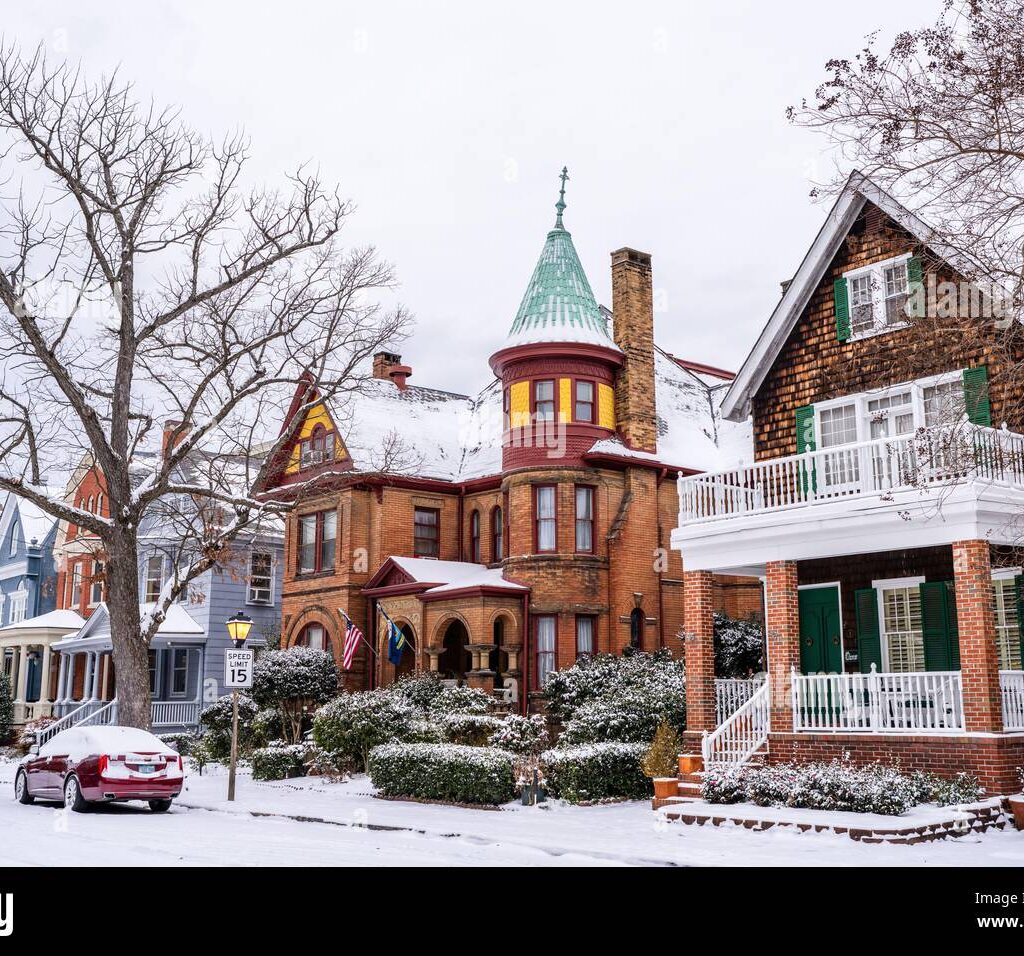
Victoria Hall. Winter view of Oakville town in Halton Region, Ontario, Canada.
How Predictions Are Made
The Accurate School Closings Predictions are based on several information sources:
Weather Forecasts:
Meteorologists predict snowfall, freezing rain, and the timing of storms.
Road Reports:
Road departments and local governments monitor road conditions real time.
Historical Data:
Past weather and its impact on roads help predict how current conditions may affect schools.
School Policies:
School closures depend on each district’s safety thresholds, road conditions, and weather severity. These factors help administrators keep students safe while minimizing disruption.
Using Tools to Stay Informed
The snow calculators and weather-tracking apps are the best contribution a parent can have. They can provide:
The amount of snow that will come to your locality.
Temperature and type of precipitation estimates of hazards on the road.
School closings or school delays are announced as alerts.
These tools help families prepare early for closures by ensuring kids have supplies, meals, and safe travel plans.
Tips for Parents
You must constantly look in a variety of places, such as local news and school websites, as well as weather applications.
Make a plan of what to do with the kids in case the schools have to shut down.
The most important thing is to have supplies at home in case of closures during the period when there is a long winter storm.
Conclusion
School closings can be unpredictable, but families can prepare by knowing the key factors. Snow calculators, weather forecasts, and road updates help parents and schools make safe decisions. Through advance planning, you will be able to stop the stress and save the children, even during winter weather.
Snow Tomorrow occurs when atmospheric moisture freezes into ice crystals. Falling and accumulating when temperatures stay below freezing at ground level. Tomorrow’s setup involves Pacific moisture. Cashing with cold air in western mountains for efficient snowfall. Contrasted by warmer air masses reducing snow chances elsewhere.
Picture this: a fresh blanket of Snow Tomorrow coating the mountains. In time for holiday travels, turning rugged peaks into a winter wonderland. As December 21, 2025, gives way to tomorrow. Many are eager checking forecasts for that perfect pre-Christmas snowfall.
Current weather patterns show an active storm series impacting the United States. Atmospheric rivers delivering heavy precipitation to the West Coast. Higher elevations are set for significant snow accumulation. Boosting ski resorts ahead of the holidays. A mild December thaw reduces wintry conditions in central and eastern regions.
Western U.S.: Heavy Mountain Snow Amid Ongoing Storms
The spotlight tomorrow falls on the Western states. Where an active storm pattern continues to unload impressive snowfall. The Cascades, Sierra Nevada, and northern Rockies. Are in for another round of moderate to heavy snow on December 22.
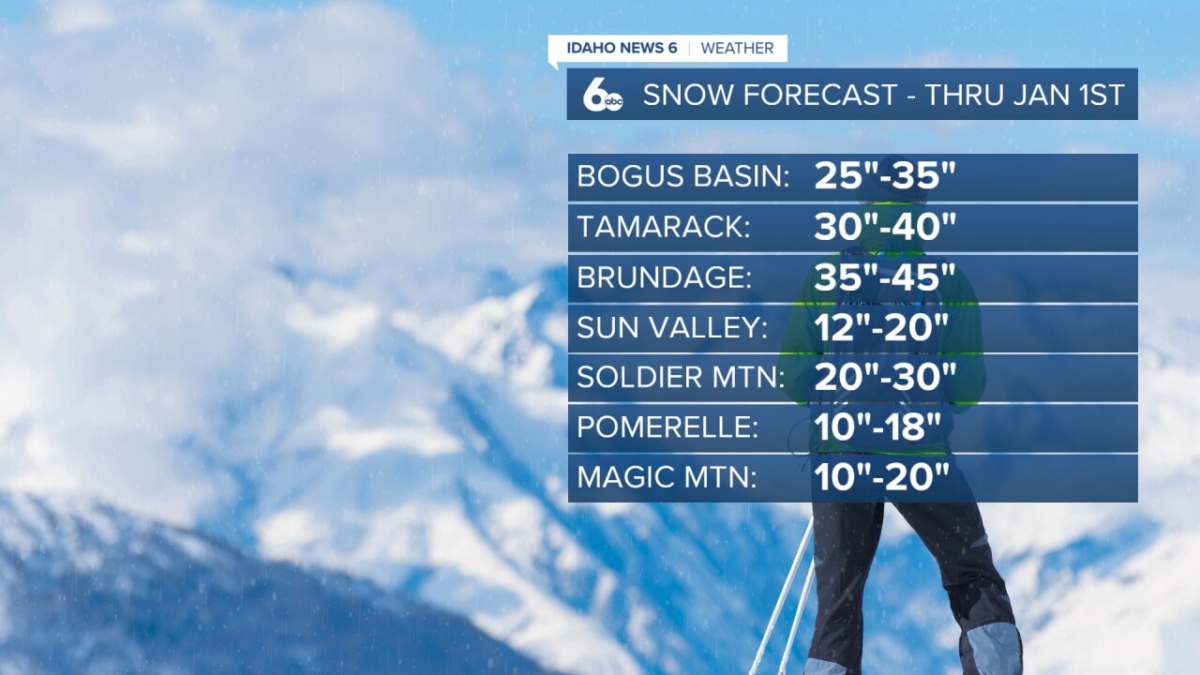
Ski resorts are reaping the benefits of this persistent pattern. Areas like Mt. Baker in Washington and Mammoth Mountain in California. Could see more inches building on recent dumps. With totals from ongoing storms potentially reaching feet in favored spots. Higher elevations above 5,000 feet face the brunt. With forecasts warning of 1-2 feet possible in some Sierra passes through the week. Though December 22 specifically adds lighter to moderate amounts.
Eastern and Central U.S.: Warmer Shift Reduces Snow Chances
In stark contrast, the central and eastern U.S. are transitioning to milder air. Diminishing hopes for widespread snow tomorrow. A building ridge of high pressure is ushering in above-average temperatures. leading to a “December thaw” that could erase lingering snow cover from earlier storms.
Lake-effect snow bands near the Great Lakes may produce localized flurries. light accumulations downwind of the lakes. But major cities like Chicago, New York, and Boston are more likely to see rain or dry conditions. The Midwest and Plains face minimal precipitation. With any systems favoring wet roads over snowy ones.
This warmer trend aligns with broader seasonal outlooks influenced by La Niña. Which often brings variable patterns. But favors drier and milder conditions in parts of the South and East during late December.
Impacts and Holiday Travel Considerations
Tomorrow’s weather could significantly affect pre-Christmas travel. In the West, heavy snow in mountains may close passes. Or cause chain controls, while rain-induced flooding threatens lowlands. Eastern travelers might encounter wet pavement but fewer winter hazards.
For those chasing powder, Western ski areas offer prime conditions with fresh snow. But, avalanche risks rise with rapid accumulations—always check forecasts and backcountry reports.
Looking ahead, the pattern remains active in the West through Christmas week. Delivering more snow for a white holiday in elevated areas. Eastern chances hinge on any late-week systems.
Stay updated with reliable sources like the National Weather Service. Or AccuWeather for real-time alerts. Whether you’re shoveling driveways or hitting the slopes. Tomorrow’s snow reminds us of winter’s beauty. And its challenges—in this festive season.
Conclusion
Snow tomorrow will bring a serene blanket of white, transforming the surroundings into a peaceful winter landscape. It may affect travel and daily routines, so preparation is important. The snowfall will create opportunities for winter activities and cozy indoor moments. While it might cause temporary disruptions, it also adds beauty and calm to the environment. Overall, snow tomorrow promises both challenges and enjoyment for everyone to experience.
Winter weather is unpredictable, and one needs to know when and where the snowfall weather forecast is available to help plan daily activities, travel, and school timetables. Snow fall weather forecast is an accurate information which concerns upcoming snow and is helpful in preparation of winter storms by the family, commuters and the community.
Snowfall Weather Forecast
Weather forecasts of snowfall predict the quantity, timing, and location of snow within a specific time frame. Advanced tools, computer models, and satellite imagery provide estimates to the meteorologists:
Snow accumulation
Timing of snowstorms
Weather conditions and wind speed.
Potential ice and freezing rain
By combining these factors, forecasts provide a clear picture of what to expect during a winter storm.
The importance of Snowfall Forecasts
Weather forecasts are not limited to snow fall. They help with:
Travel Safety Drivers are able to plan routes, and evade icy roads and minimize accidents.
School & Work Planning – The families will be able to be aware of school closures or remote days.
Local authorities can pre-deploy snowplows, salt trucks, and emergency services for emergency preparedness.
Day to Day Living Management- The homeowners are able to prepare supplies, heating and other necessities.
Any little snow can cause disruptions in routines, and it is important to forecast it correctly.
How Snowfall Is Measured
Meteorologists estimate the amount of snow in a number of ways:
Measures of the amount of snowfall in inches or centimeters.
Snow depth on the ground
Snow water equivalent The water within the snow, which is used in predicting floods.
The measurements assist forecasters to provide accurate forecasts and monitor the intensity of winter storms.
Snowfall Forecast Tracking Tools
Monitoring the snowfall is not difficult with several tools:
Weather services and applications- Up to date map of snow accumulation and alerts.
Snow Day Calculators – Operate school shutdowns on the basis of snow fall forecasts.
Local news stations- Travel news and school news.
National weather service(NWS)-Official warnings and forecasts.
Combine them and be ready and in the know of winter storms.
Precautionary measures when it is snowing.
Make pre-travel check forecasts and make changes where required.
Have an emergency kit in your car in the form of blankets, food, and water.
Accidents will be avoided by having clear driveways and sidewalks.
Check school and work notices to get to know about school or work timing.
It is also prudent to be cautious when there is a snowfall to remain safe.
Conclusion
Snowfall weather forecast is a very important means of safe navigation during the winter season. You can also use this information to plan your travel time, know when schools will close, and prepare your home and family for a snowstorm. By combining snow day calculators, local updates, and accurate forecasts, you can stay one step ahead during winter.
Weather forecasts play a big role in winter weather school closures Tuesday Wednesday decisions. As winter weather worsens in mid-December, a major storm forces many U.S. school districts to cancel classes on Tuesday and Wednesday. Heavy snow, strong winds, and icy roads make travel unsafe for students and staff. Administrators are putting the safety first by cancelling classes to prevent the perils on untreated roads and in bus routes.
It is believed that the storm will impact areas in the Midwest to some areas in the Northeast, and the accumulation may go up to 8 to 12 inches. The National Weather Service has sounded warnings about visibility and unsafe driving, which prompted the districts to be careful. Such two days close ups will enable the snow removal and least risky conditions by Thursday.
To families, these announcements imply impromptu alterations in routine, such as the childcare and remote work arrangements. Such tools as the Snow Calculator are useful, as they allow making predictions early; thus, transforming the possible surprises into manageable strategies. It is important to remain up to date in such unpredictable winter occurrences.
The Storm of Winter That Is Coming
A strong cold front is causing immense snow and wind to various states making conditions difficult. The meteorologists have predicted high accumulations and the gusts would be in a position to cause drifting and low visibility. Winter storm warnings are in action and this indicates that people should be cautious on the roads.
School officials watch these forecasts and often close schools for several days to clear ice. Past storms show that back-to-back closures reduce accidents and give families more time to prepare.This methodology demonstrates a dedication to the well-being of the students and not being strict on schedules.
Wider Social and Social Implications on Communities and Education
Closures not only ruin school days but interfere with the work of parents, learning of children and school resources such as meals. Others might change to virtual classes, whereas some will have complete stops to pay full attention to safety. Absences due to weather may accumulate, and at other times may necessitate the need to extend the schedule towards the end of the year.
Essential worker vulnerabilities and low-income families are also brought into the limelight of these events. Societies gather around, the tension is a fact. The growing levels of extreme weather conditions are rendering predictable forecasting instruments, the more critical towards reducing mayhem. Teachers and students prepare backup plans during winter weather school closures Tuesday Wednesday.
Why Snow Calculator is Your Next Best Friend
The Snow Calculator uses data from weather agencies and past trends to predict school closures. Enter your ZIP code to see your snow day chances, often before official announcements. It has enabled millions of parents to look into the future with the amazing precision.
Other functionalities are snowfall maps, preparation checklist and alert messages. Users have less stress, as they are ready to face such a storm.It correctly predicted my district’s closure two days early, saving me last-minute stress.
Critical Safety measures during the Storm
To be on the safe side, the Tuesday-Wednesday closures should be observed as follows:
Basic necessities such as food, water, drugs, and survival items.
Always keep the devices charged in case of electricity blackouts.
Organize, fun activities (educational) inside the home to keep the children busy.
Conclusion: How to Turn Weather obstacles to your advantage
School closures due to winter weather can be inconvenient, but preparation matters. With tools like Snow Calculator, families can stay ahead and stay safe. Visit our site today for your custom forecast—don’t let winter storms catch you by surprise.
Snowfall conversion 100 mm to inches shows that this amount equals almost 4 inches of snow. Measures are very important in weather conditions, particularly in monitoring snowfalls and precipitations. Various areas apply different units making weather data confusing at times. That is the reason why proper unit conversion is needed.
Many people use inches, while weather reports often express snowfall in millimeters. Unless converted properly the amount of snow which has fallen would be hard to visualize. Planning and safety decisions may be sensitive to even small changes in the number of units. Accurate snowfall conversion 100 mm to inches is important for winter safety planning.
Snow Calculator makes this easier by offering the speedy and stable conversions. You are either checking the snowfall reports or you are planning some outdoor activity and even then you are more likely to know the real-life snow conditions when you convert the 100 mm into inches. Understanding snowfall conversion 100 mm to inches helps residents gauge snow depth.
Knowing the Snow Measurements in Millimeters and Inches.
Metric countries measure snowfall in millimeters or centimeters, while the United States uses inches. Millimeters work best when tracking snow buildup, melting, or water levels.
But inches are commonly used in weather predictions, depth of the snow and the ski conditions. Anyone tracking snowfall, planning travel, skiing, or outdoor activities can convert millimeters to inches to understand the data and make better decisions.
Equation to Change 100 mm Hz to Inches.
People use a fixed, universal value to convert millimeters to inches:
1 inch = 25.4 millimeters
In order to find the number of millimeters to inches, we are going to use the formula:
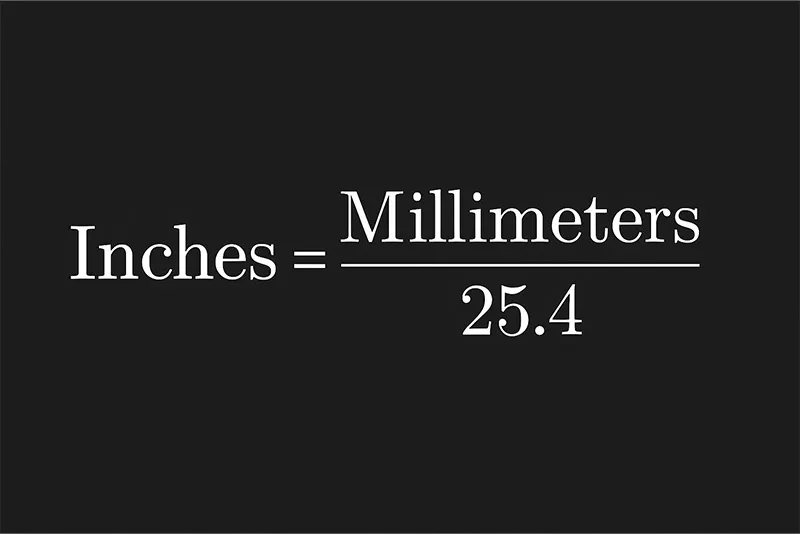
Inches = Millimeters ÷ 25.4
Snow Calculator uses this formula to provide results (fast and accurate) without human intervention.
How to convert 100 mm to Inches Explanation.
The given value used in the formula:
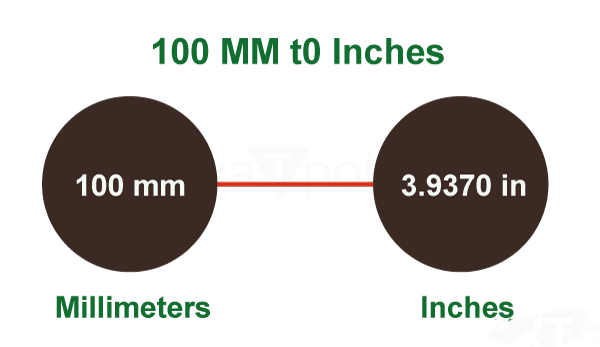
100 mm ÷ 25.4 = 3.937 inches
When rounded off to two decimal places, 100 mm is some 3.94 inches.
So, when a weather report shows 100 mm of snow, it equals almost 4 inches. This conversion helps people understand snowfall intensity, especially in areas that use inches.
The Usefulness of Snow Calculator in this Conversion.
Snow measurement that is done manually may be time consuming and it may be subject to error. Snow Calculator will eradicate this issue and provide immediate and accurate calculations. Whether you analyze snowfall rates, compare past weather data, or check daily snow buildup, the tool gives accurate results every time
Meteorologists, travelers, skiers, researchers, and homeowners use Snow Calculator because it gives clear, reliable snowfall data without complex formulas.
Application of Converting 100 mm of Snow in the real life.
Knowing that 100 mm is about 3.94 inches helps people plan better. Skiers can judge slope conditions, drivers can check road safety, and homeowners can prepare to clear snow. The emergency services are also dependent on correct conversion in order to assess the severity of weather and react appropriately.
Conclusion
People often convert 100 mm to inches to understand snowfall and weather reports. With the normal formula, 100 mm will be about 3.94 inches. Through Snow Calculator, such a conversion will be fast, precise and convenient. Whether tracking snowfall or planning an outdoor event, Snow Calculator gives you accurate measurements instantly.
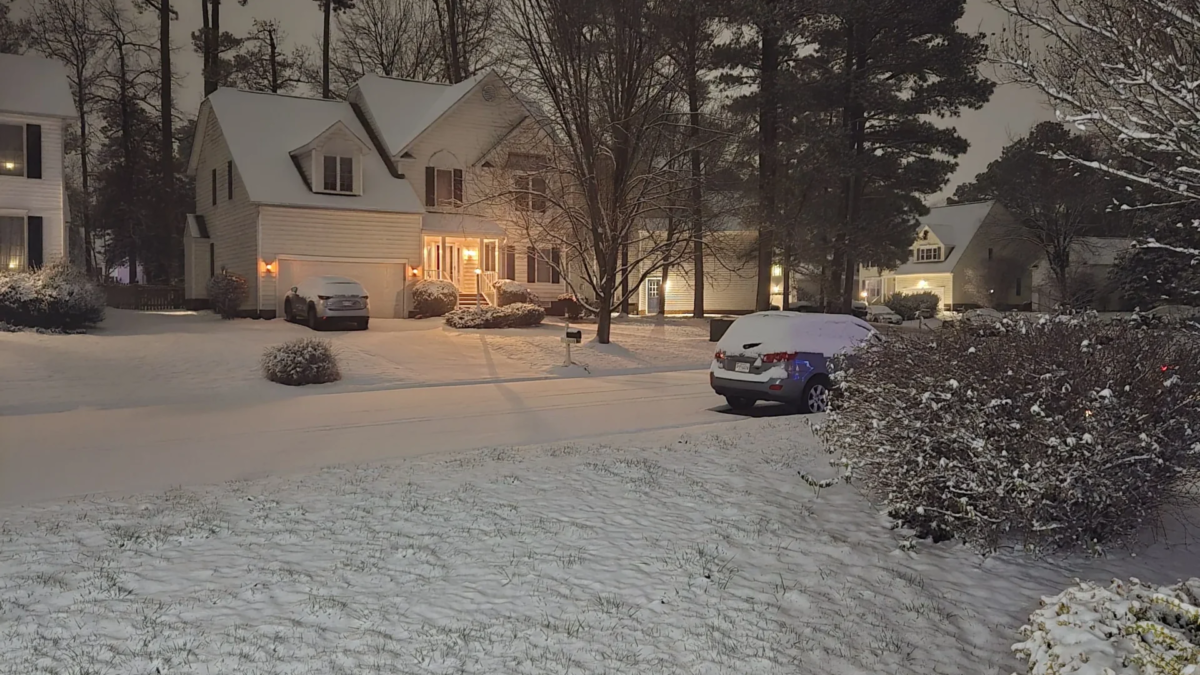
Winter snow at Central Virginia is snow that produced. When there is the cold weather system in the area. Such as Richmond, Charlottesville, and the outer counties. The amount of snowfall may be light flurries.
Some inches based on the intensity of the storm. And the direction the storm takes. Central Virginia Winter storms. May come fast and accumulate a lot of snow. These storms may cause havoc to travel, schools, and normal life within the area.
Being aware of the snowfall forecasts Winter snow at Central Virginia assists the residents in making plans. The families can plan safe traveling. Schools can also adhere to timetables. And even the city services can react efficient. Being aware of winter storms is one of the most important aspects in Central Virginia.
What the Storm Is Bringing
The Central Virginia and its surroundings. Are also likely to receive accumulating snow due to a winter storm. The amount of snow will fall into the area at night and extend into the morning. There are regions where there might be light and moderate snowfall. And the heavier bands would lead to more large snow.
In most counties, winter weather advisories have put in place. And people advised against hazardous traveling due to slippery roads. Such alerts done in case conditions are likely to render driving and walking troublesome.
Snow Totals and Timing
It is predict that the snow can start during the late evening. Or in the early mornings depending on the time when the storm system arrives. Although exact quantities may vary. Snowfall ranging in a few inches is probable particularly at high altitude. And in the countryside. Increased snowfall has saw in the occurrence of past winter storms with 3-5 inches. And above reported in Central Virginia with stronger events.
The temperature, moisture and storm track used to predict the snow. The storm is able to generate snow more effective. When it comes into contact with moisture of the south or the Gulf of Mexico. These changes are reflect in local weather models which are update frequent.
Travel and Safety Concerns
Snow on the roads may slow down the speed of transport and make it icy and unsafe. Bridges and overpasses are prone to frozen initial forming slippery points. The people encouraged not to travel as the snow falls and soon after. The work of snowplows and road crews is to clear the main roads. But, it can take some time to treat all the road, particularly the secondary ones.
The low temperatures following storms may result in any wet surfaces. That are uncovered been frozen. and this increases chances of black ice formation early in the morning and at night.
School and Work Planning
Snow that comes in winter may interfere with the school schedule. The schools in and around Central Virginia can delay openings. Or even close down altogether in case the situation is unsafe. The official notification is to expected by parents. And students in the form of school websites, local news, and notification messages.
Another thing that employers can do is change timings of work. Or even allow employees to work at home to protect them. The anticipation will enable families and employees to deal. Winter conditions without taking any unwarranted risk.
What Residents Should Do
To get ready in case of snow and winter storm:
Keep abreast of local predictions and warnings. The weather conditions may shift rapid. Keep emergency supplies on hand. Which include water, snacks and flashlights, and charge phones. Do not travel in vain as soon as the snow starts falling.
The snow plows must space. Wear a warm dress in case you have to go out. The cold and wind may lead to frostbite and hypothermia.
Storms in Central Virginia in the past
Over the past years. There have been considerable winter storms experienced in Central Virginia. Historical records say that snowfall had diverse levels depending on the location. Some regions recording more than 6-8 inches in one storm.
Snow and ice have affected on travel and at times even closed schools. These historical storms prove how the conditions can change. So fast and why forecasts and warnings are so significant.
Why Snow Predictions Matter
Proper predictions of the snow can keep families and communities safe. To determine the quantity and timing of the snowfall. Weather services apply such tools as satellites, radar, and computer models. These projections are not flawless. But provide the most effective available information with current data.
People are able to make pre-decisions in case a winter storm predicted. This involves arrangements on how to take children to school. Whether to go out to work or not and how to prepare homes against cold weather.
Central Virginia Snow Report
Central Virginia winter storm snow signifies snowfall. This happens when it is cold weather. Serving the regions such as Charlottesville and Richmond plus the counties. The quantities of snowfall may be light flurries, or up to several inches.
It is dependent on the intensity and route of the storm. Central Virginia can receive winter storms rather fast and accumulate heavy snow. These storms may cause havoc to travel, schools, and normal life within the area.
Being aware of the snowfall forecasts assists the residents in making plans. Families can be ready safe travel. Schools can change the schedules and city services can react effective. The important point of staying safe towards winter storms is being aware.
Conclusion
The winter storm snow in Central Virginia is as beautiful and as it is challenging. Snowfall may make the landscapes conceived as serene and whitish. Yet it may break down the transport, educational institutions, and daily activities. Residents can remain safe during winter weather events. By listening to local prognoses, adhering to safety tips, and preparing. Which can help them to stay safe. Being informed about snowfall forecasts. And alerts is one of the keys to approaching winter storms. With the feeling of confidence and readiness.
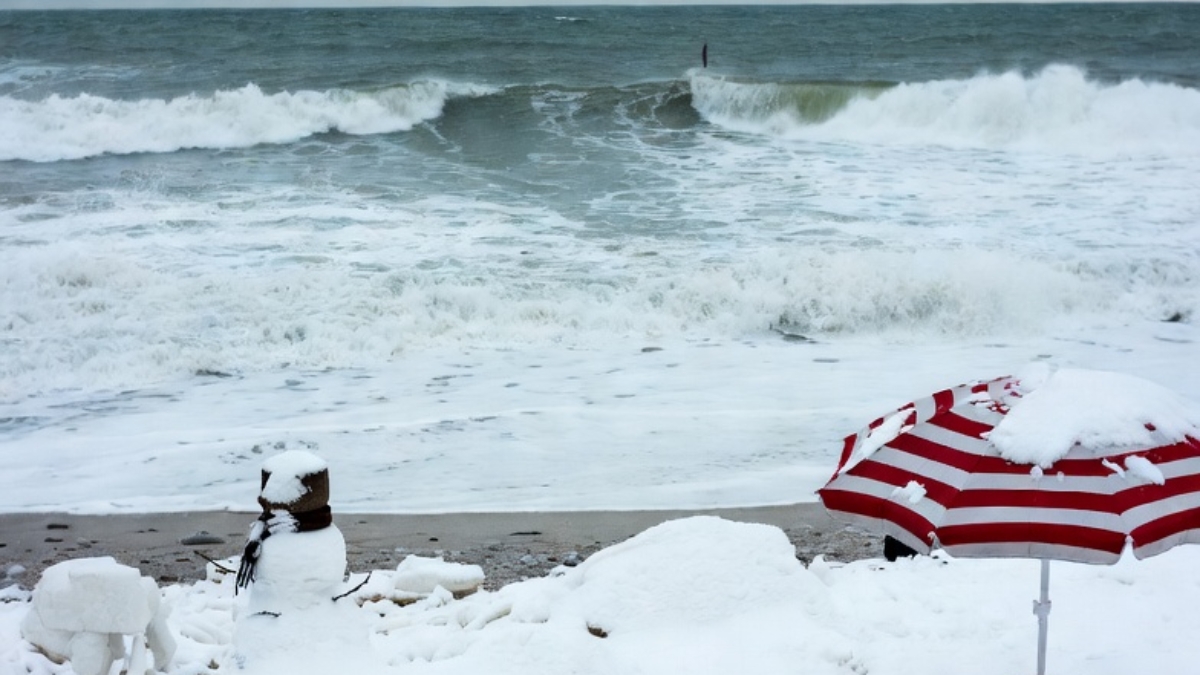
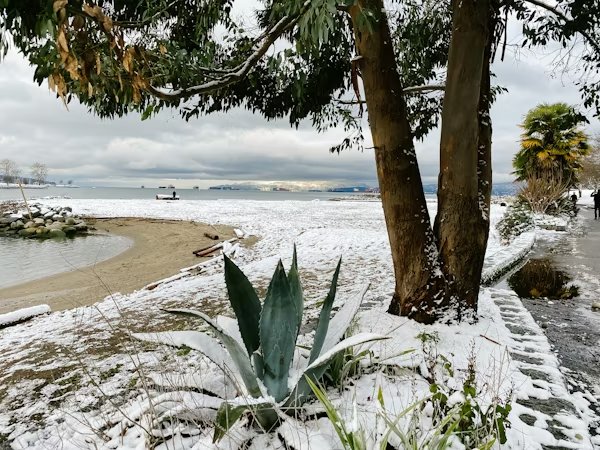
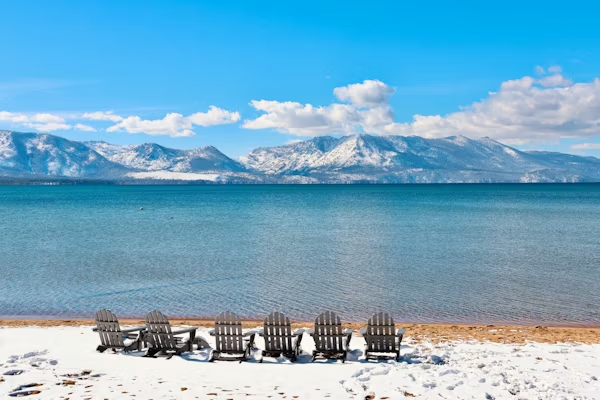
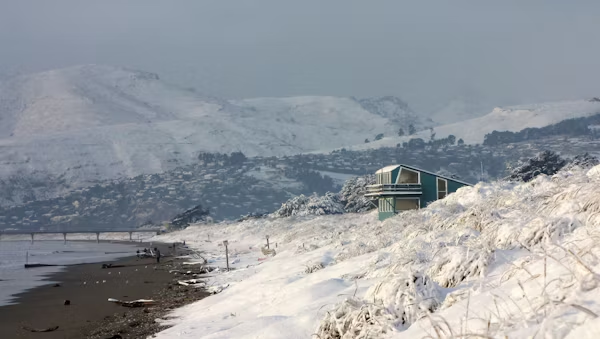
Snow on the beach occurs when the temperature is low and there is sea moisture. The snow is lying on sand which makes a contrast between white snow and sandy shore. This phenomenon is uncommon. It takes place in the northern part or the temperate regions during winter.
Snow on the beach is rare and unexpected to receive snow. The majority of people imagine that beaches are warmer and 3sunny; however, in some cases, winter storms may bring snow along the coast. This is a strange view that draws the eye and astonishes all the people who look at it.
Snow on the beach are not just beautiful. And also allow photography, observation of the nature, and winter recreation. People will be able to appreciate better by knowing how this occurs. The beauty and marvel of the snow and sand.
How Snow Appears on Beaches
Snow on the beach is the result of cold air and the sea moisture. In winter, the temperatures are lowered along the coasts. And when the weather is proper, it pours out in snow rather than in rain. This prevails more in the temperate and northern areas. In places where winters are too chilly to permit of the snow.
Snow and sand make a very impressive combination. The sand that is normally golden or brown is white in color. Creating patterns unparalleled to another winter scene.
Famous Snowy Beaches
The following are beaches in the world that can be covered by snow occasionally:
Northern Europe: Beaches of Norway, Sweden and Finland. Other times observe snow during the winter season.
North America: Coastline, New England. And some areas of the Pacific Northwest are able to receive snowfall on the beaches.
Asia: Beaches in Northern Japan receive snow on cold winter storms.
These are a rare chance to the photographers. And nature lovers to take breathtaking winter scenes.
Why Snow on the Beach Is Rare
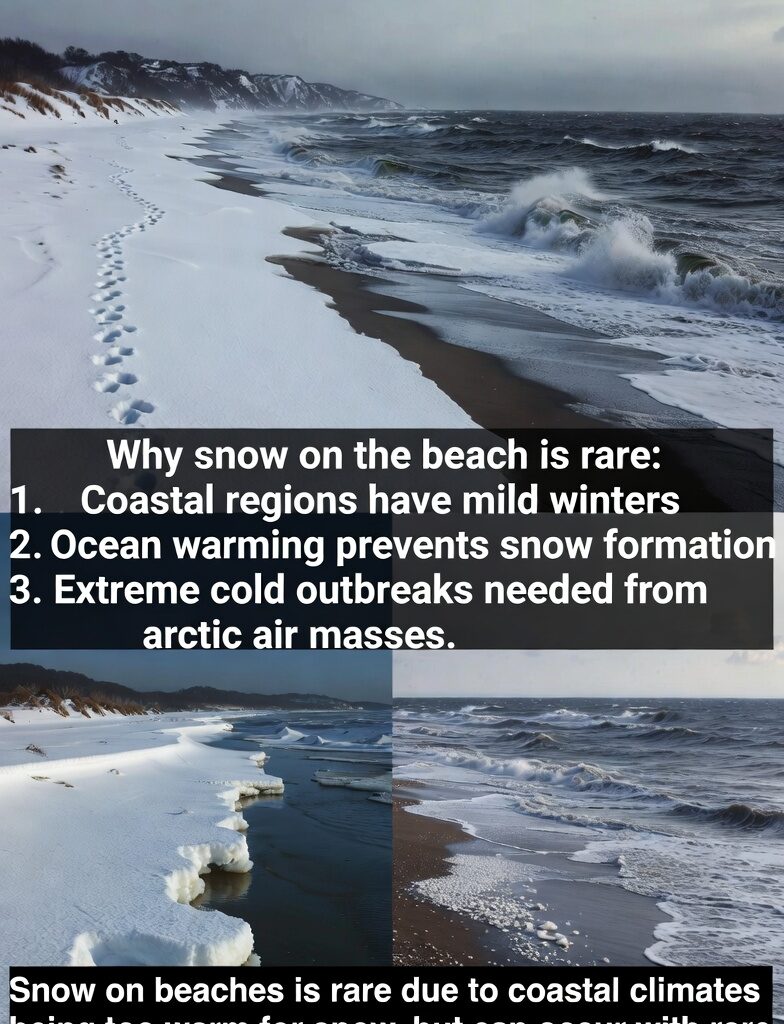
Snow on the beach is strange since the coast areas are usually warmer as compared to inland areas. Big water bodies and oceans have a tendency to cool down climates. Making sure that adjacent space does not get extremely cold. A number of conditions must take place in order that snow may fall and be deposited on a beach:
Cold conditions: The temperature of the air should be lower than that of freezing.
Moisture: The atmosphere has to have sufficient moisture to precipitate.
Light winds: Powerful winds have the ability to dissolve or blow off snow on the sand. All these factors have to occur simultaneously, which makes snow on the beach a rare occurrence during winter.
The Beauty of Snowy Beaches
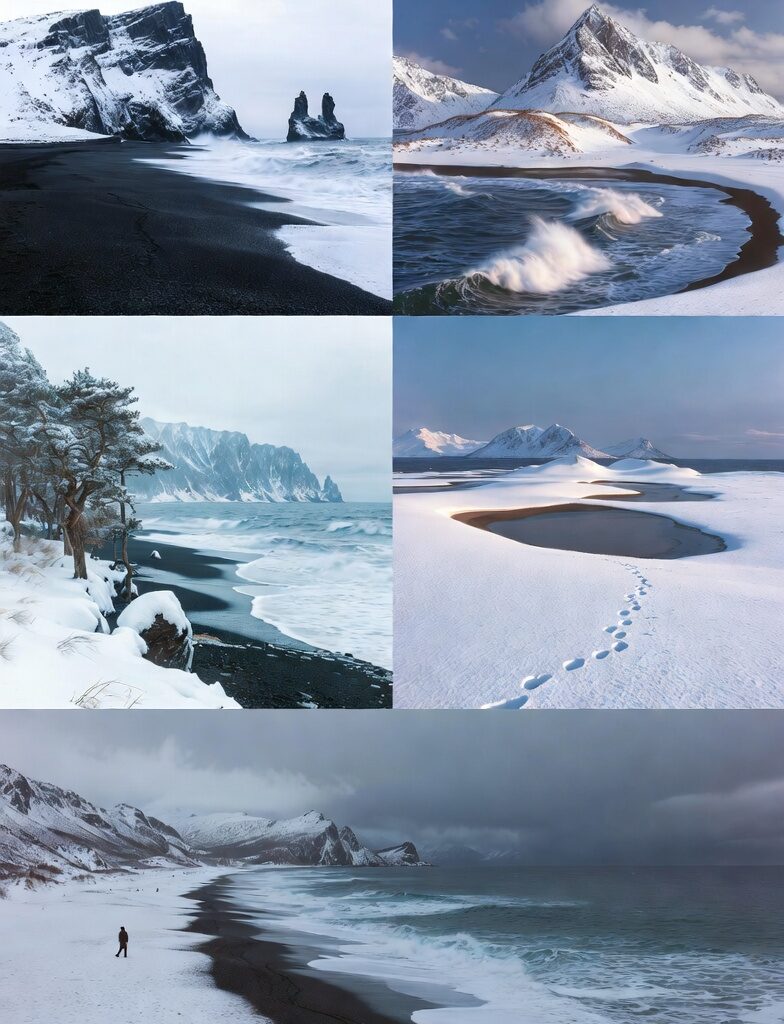
Snow in the beach forms an ideal and serene environment. The sand is smoothed and footprints are covered by the snow giving a clean, white surface. The scenery can be topped with ice formations surrounding rocks and tide pools. The opposition of blue ocean, white snow. And gray skies make it aesthetically vivid.
Snowy beaches are in demand by many photographers and tourists due to this beauty. It reminds of the vagaries of nature. And how the winter can change the places so familiar.
Activities and Safety Tips
Snow on the beach is beautiful, but there is also the aspect of safety. Snow covered sand, Walking in the snow: Snow can conceal rocks or irregularities. Walk carefully.
Cold weather: Wear warm clothes and boots and gloves that are waterproof.
Water safety: Ocean waves are powerful and harmful even throughout winter. Avoid swimming in icy waters.
Photography Photos are best taken on snowy beaches. However, watch out around slippery rocks or ice. These are the tips that allow visitors to have a good time in snowy beaches.
Conclusion
The snow on the beach is a very special phenomenon which occurs very infrequently in winter. This takes place when cold air is in contact with coastal moisture. The formation of a gorgeous contrast between the snow of white and the sands. Although this is rare, it may occur in northern Europe. In North America, and north Japan. The beaches are snowy and are a magical place to be enjoyed by lovers of nature and so even by the photographers.
It is beautiful but when going to snowy beaches safety is a factor. The right preparations can make individuals enjoy this unique natural event. And take photos of one of the most unusual of winter scenes.
Accurate snowfall calculations in snow report help residents prepare for winter conditions. Snow report is a necessary information in the winter season. It gives information on the amount of the snowfall, depth of the snow and the current conditions and will enable people to make the right conclusions. Regardless of whether you are about to travel, deal with your daily routine, or are planning outdoor activities, it is important to know about a snow report.
Different places measure snowfall in different units, which can be confusing. Snow Calculator helps by giving accurate conversions and a clear view of snowfall amounts. When equipped with the correct equipment, snow reports would be more understandable and more accurate. Weather platforms focus on accurate snowfall calculations in snow report to deliver reliable winter updates.
What Is a Snow Report?
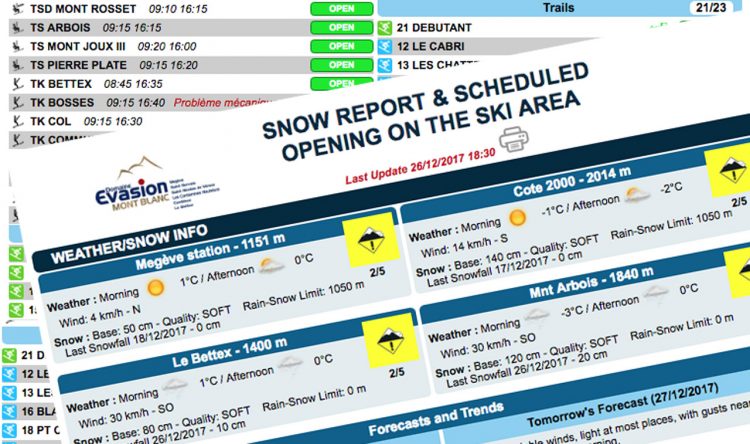
A snow report is an elaborate news of the recent and current snowfall activity in a certain region. It usually contains data on fresh snowfall, the amount of snow lying on the ground, temperatures and weather patterns. The travelers, commuters, skiers, and weather enthusiasts are the people who make use of such reports.
The snow report is normally updated daily or often on a day to day basis in case of a heavy fall. They are issued by the weather stations, ski resorts and the local authorities. Proper snow reports can make people understand the safety situation and plan their course of action. Homeowners benefit from accurate snowfall calculations in snow report when protecting their property.
Why Snow Reports Matter
Snow reports are very critical in day-to-day decision-making in winter. In the case of drivers, they give information on the state of the roads and any dangers they may present.Homeowners use snow reports to plan snow removal and prevent damage when snow levels get too high.
Outdoor enthusiasts, especially skiers and snowboarders, rely on snow reports. Accurate snowfall data helps them judge slope conditions and overall safety. Snow information is precise and will guarantee greater preparation and less risk.
Knowing the Measurements of Snow in Reports.
Snow reports tend to employ various units of measurement which may be millimeters, centimeters or inches. Such variation is based on regional standards and reporting systems. In its absence proper conversion, it may not be easy to find out the extent to which the snow has fallen.
An example given is the snowfall in millimeters that a snow report would display and the user is conversant with inches. This is made easy by Snow Calculator which converts the values of the snowfall in real time. This enables users to know the depth and rightful accumulation of snow.
The way Snow Calculator Enhances Snow Reports.
The Snow Calculator will help users read and comprehend the snow reports in a better manner. It is a quick and precise converter of units that can assist in making sense of raw data. The tool is precise whether it is converting millimeter into inches or comparing the amount of the snowfall.
With Snow Calculator and snow reports, users no longer need to do calculations manually and, possibly, make mistakes. This particularly comes in handy when there is a heavy snowfall and the information needed is timely and precise. The tool brings efficacy and credibility to all snow reports.
Who is the Beneficiary of Snow Reports?
Snow reports are useful to a great number of users.Travelers use them to plan routes and avoid dangerous weather. Emergency services use snow reports to prepare for rescue during severe winter storms.
Winter sports users and ski resorts rely on snow reports to keep track of the weather and plan their activities. Businesses and local authorities also use snow reports to manage operations and keep people safe. Quality information enhances superior decisions at all levels.
Conclusion
A snow report is not only a weather report, but it is an essential tool at winter time. It assists individuals to be up in date, secure and ready to handle shifting snow situations. This requires knowledge of snow measurements and conversions to be able to understand these reports.
Snowing Calculator makes it easy to understand snowing reports. The tool is highly precise in its conversions and the presentation of insights to users, thus making snow reports reliable. Snow Calculator simplifies snow data to better understand and can be used in different ways like travel or safety, or recreation.
School terminations in Vermont (VT) are school decisions. To retain students and staff when there is a severe winter. school closings Vt Such closings normally occur due to heavy snow. Frosty roads, drizzling rain or extremely low temperatures.
Vermont winter may be severe and unpredictable. Roads are usually dangerous owing to snow, ice and low temperatures. Students and families should be informed whether schools are going to open or close.
The forecasts of school closings Vt are useful to families. Parents will be able to organize childcare, change work routines, and retain children at home. Through learning the mechanics of school closings. Winter storms and their consequences can be better addressed by communities, and dangers minimized.
Why Schools Close
Schools shut down because of security. Roads may become dangerous in case of heavy snowfall. School buses and parents are risky on the road as a result of the ice roads. Freezing cold and wind cold may be dangerous to students standing at bus stops. The dangerous conditions may also be formed with the help of freezing rain and powerful winds. The number one consideration when schools make the decision to either close or open later is safety.
A little bit of snow can cause trouble in transportation. And turn going to school perilous. Vermont has a hilly topography coupled with rural roads which complicate weather conditions further. This is the reason why school districts pay close attention to winter weather before passing decisions.
The Decision Making Process of School Closings.
Weather forecasts are utilized by school officials in order to decide on closures. Weather models, meteorologists monitor storms with the help of radar and satellites. They forecast quantities of snowfall, ice, and temperature.
The forecasts that are checked by school districts are done overnight and in the early morning. In case of insecurity, they declare closings or delays of schools. Partially closing down, early dismissing or remote learning options may also be viewed by some districts.
Predictions of the weather are not precise. The conditions may vary rapidly. And therefore families ought to wait until official announcements are made before going to school.
Winter Weather Hazards that lead to closures.
Vermont schools frequently shut because of weather in winter like:
Heavy snowfall
Icy or slippery roads Freezing rain
High winds or poor visibility.
Extreme low temperatures
Even a few inches of snow may create a problem when it comes during the busiest of the time. Freezing rain may form ice along the roadways and sidewalks. The snowy weather can result in extended shutdowns or emergency warning.
School officials hope to avoid accidents by observing such conditions. And secure the protection of students and personnel.
The way Families can keep up to date
Students and parents are to use formal school contacts. You can find the latest updates on:
School district websites
Local news channels
Text, email or phone notification.
Schools usually share these updates in the morning or the previous night. Families can watch weather reports to prepare for snow days. Planning ahead also helps parents manage their work schedules.
Time management and care and keeping children secure.
What Students Can do on Snow Days
Snow days give students an opportunity to be secure in their homes. They are able to read books, do homework or do indoor activities. Snow days also give families a good opportunity to spend quality time together.
The most significant aim is to be warm and keep away the outdoor risk.
Provided the remote learning options, students have a chance to proceed with their studies. Even when schools closed. Schools sometimes give online assignments or hold online classes to ensure students do not fall behind.
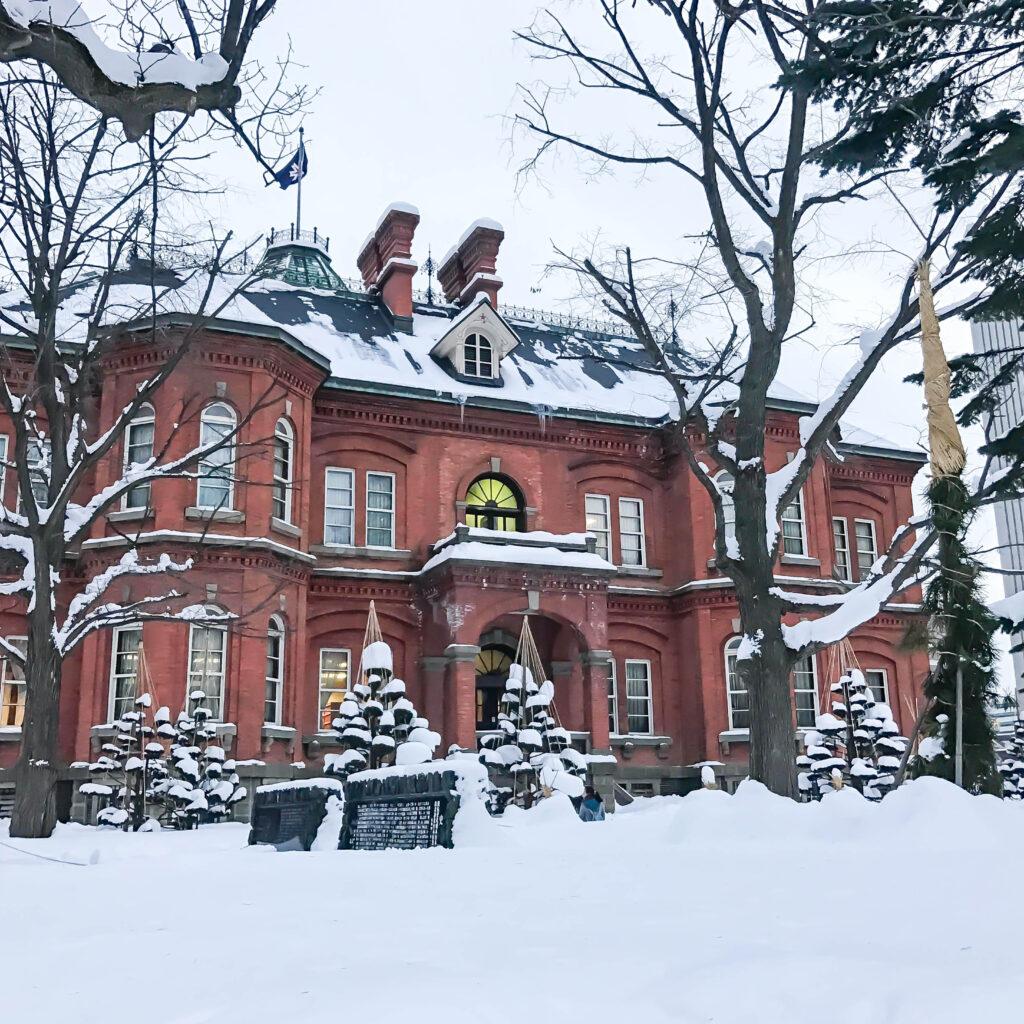
Former Hokkaido Government Office in Sapporo, Japan
Conclusion
Vermont winter weather often affects schools. Snow, ice, freezing rain, and extreme cold create unsafe travel conditions for families, buses, and students. Schools in VT announce closures as a precaution to keep everyone safe. Families should stay informed by checking school websites, official announcements, and local news reports. Through school announcements and prediction of snowfalls. During winter storms, parents are able to plan and secure their children. Through proper planning and prompt intelligence. The Vermont communities can safely and effectively deal with snow days.