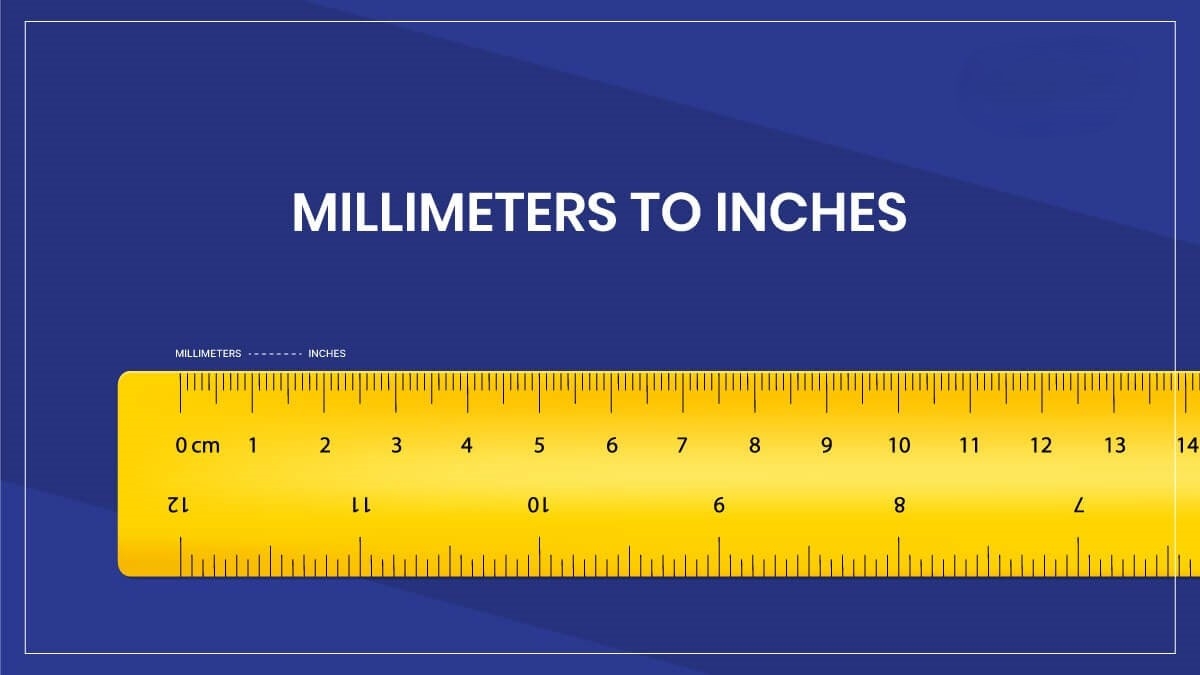
Snowfall Conversion 100 mm to Inches

Snowfall Conversion 100 mm to Inches

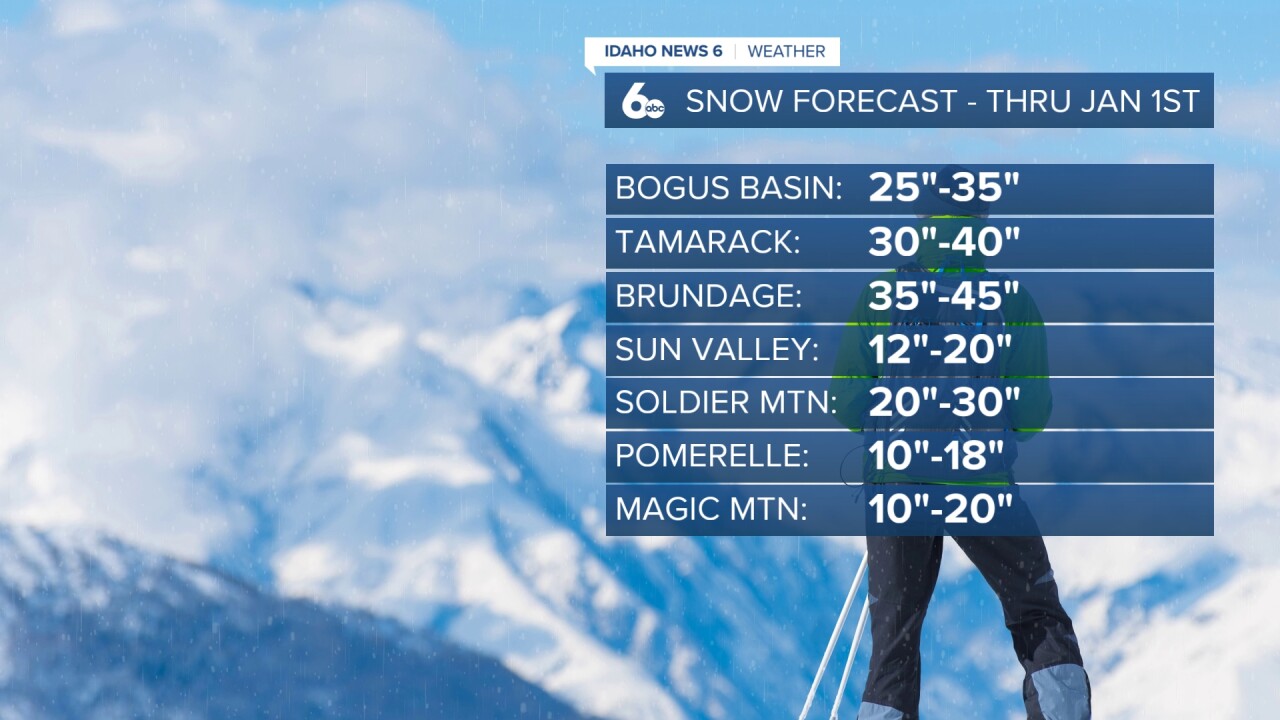
Snowfall conversion 100 mm to inches shows that this amount equals almost 4 inches of snow. Measures are very important in weather conditions, particularly in monitoring snowfalls and precipitations. Various areas apply different units making weather data confusing at times. That is the reason why proper unit conversion is needed.

Many people use inches, while weather reports often express snowfall in millimeters. Unless converted properly the amount of snow which has fallen would be hard to visualize. Planning and safety decisions may be sensitive to even small changes in the number of units. Accurate snowfall conversion 100 mm to inches is important for winter safety planning.
Snowfall Conversion 100 mm to Inches

Snow Calculator makes this easier by offering the speedy and stable conversions. You are either checking the snowfall reports or you are planning some outdoor activity and even then you are more likely to know the real-life snow conditions when you convert the 100 mm into inches. Understanding snowfall conversion 100 mm to inches helps residents gauge snow depth.

Knowing the Snow Measurements in Millimeters and Inches.

Metric countries measure snowfall in millimeters or centimeters, while the United States uses inches. Millimeters work best when tracking snow buildup, melting, or water levels.

But inches are commonly used in weather predictions, depth of the snow and the ski conditions. Anyone tracking snowfall, planning travel, skiing, or outdoor activities can convert millimeters to inches to understand the data and make better decisions.
Equation to Change 100 mm Hz to Inches.

People use a fixed, universal value to convert millimeters to inches:

1 inch = 25.4 millimeters

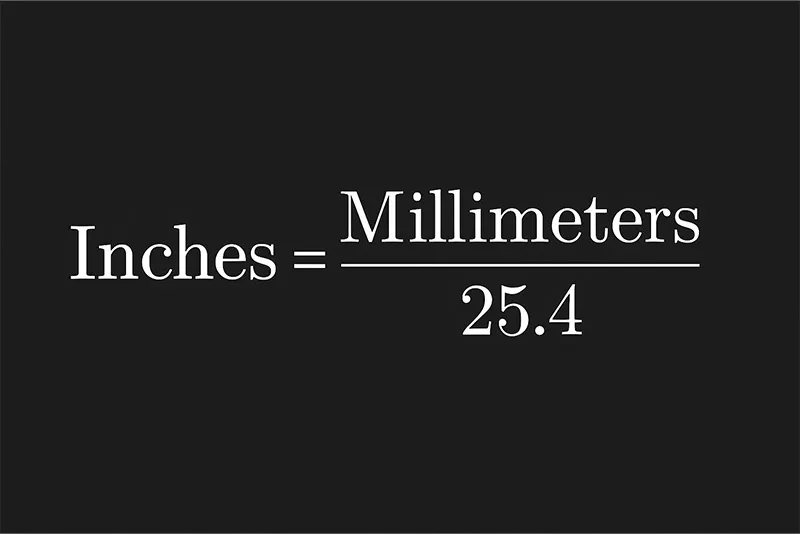
In order to find the number of millimeters to inches, we are going to use the formula:
Snowfall Conversion 100 mm to Inches

Inches = Millimeters ÷ 25.4

Snow Calculator uses this formula to provide results (fast and accurate) without human intervention.

How to convert 100 mm to Inches Explanation.

The given value used in the formula:

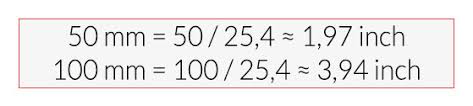
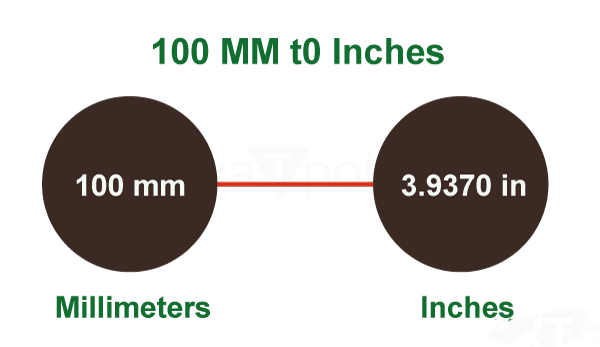
100 mm ÷ 25.4 = 3.937 inches

When rounded off to two decimal places, 100 mm is some 3.94 inches.

So, when a weather report shows 100 mm of snow, it equals almost 4 inches. This conversion helps people understand snowfall intensity, especially in areas that use inches.

The Usefulness of Snow Calculator in this Conversion.

Snow measurement that is done manually may be time consuming and it may be subject to error. Snow Calculator will eradicate this issue and provide immediate and accurate calculations. Whether you analyze snowfall rates, compare past weather data, or check daily snow buildup, the tool gives accurate results every time

Snowfall Conversion 100 mm to Inches

Meteorologists, travelers, skiers, researchers, and homeowners use Snow Calculator because it gives clear, reliable snowfall data without complex formulas.

Application of Converting 100 mm of Snow in the real life.

Knowing that 100 mm is about 3.94 inches helps people plan better. Skiers can judge slope conditions, drivers can check road safety, and homeowners can prepare to clear snow. The emergency services are also dependent on correct conversion in order to assess the severity of weather and react appropriately.

Conclusion

People often convert 100 mm to inches to understand snowfall and weather reports. With the normal formula, 100 mm will be about 3.94 inches. Through Snow Calculator, such a conversion will be fast, precise and convenient. Whether tracking snowfall or planning an outdoor event, Snow Calculator gives you accurate measurements instantly.
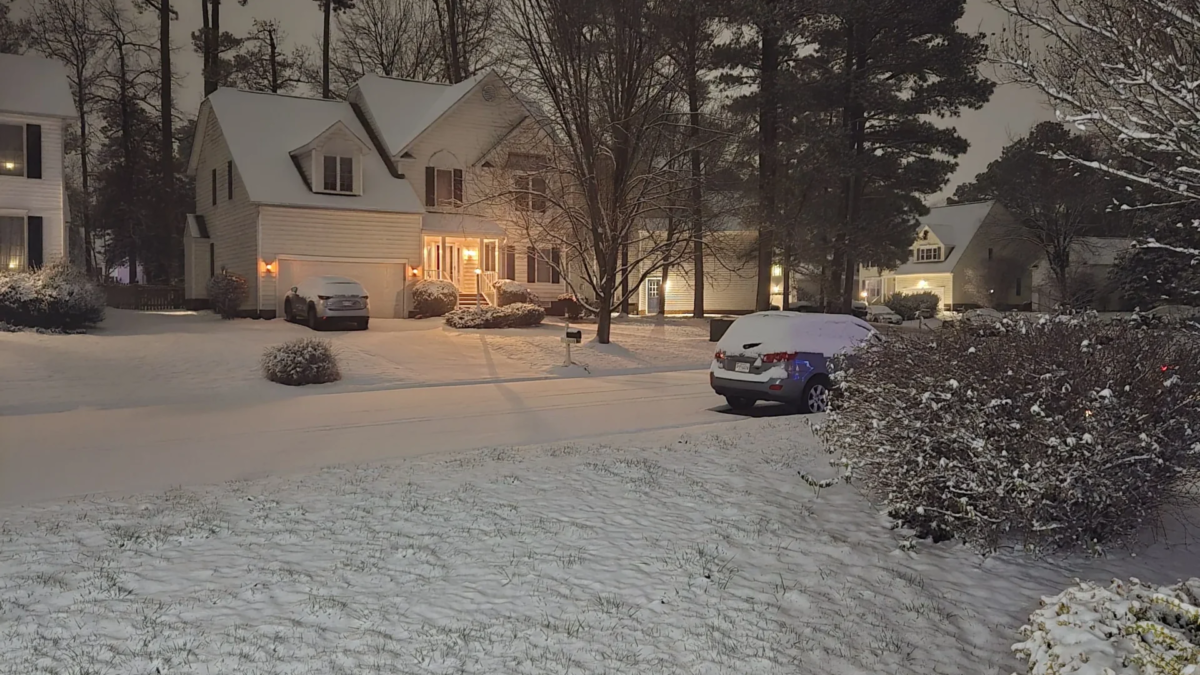
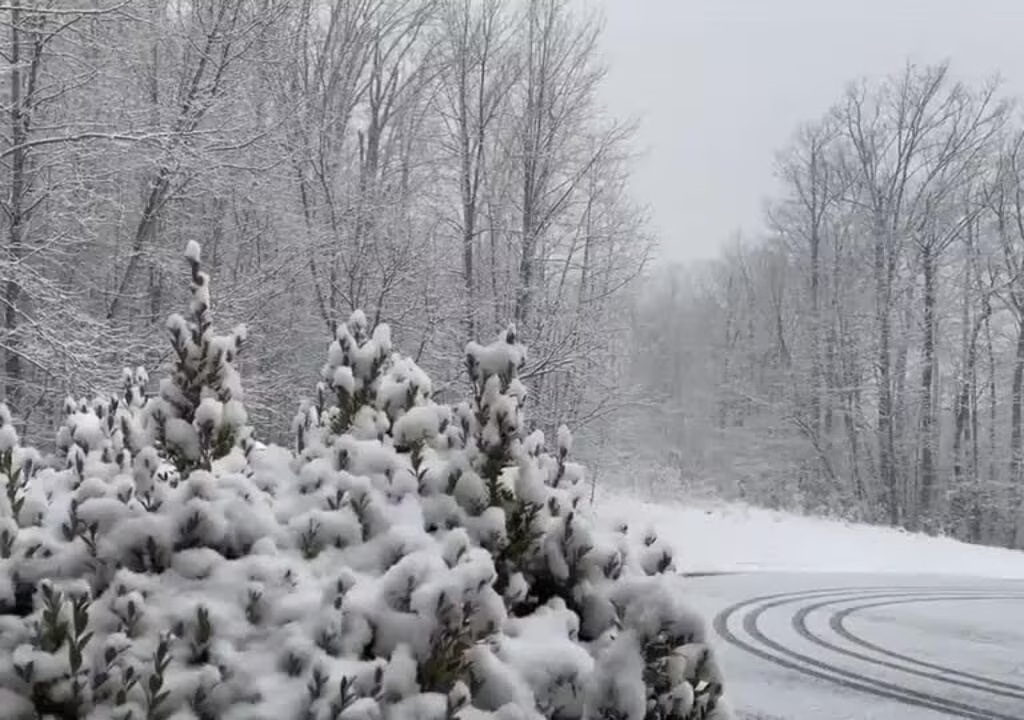
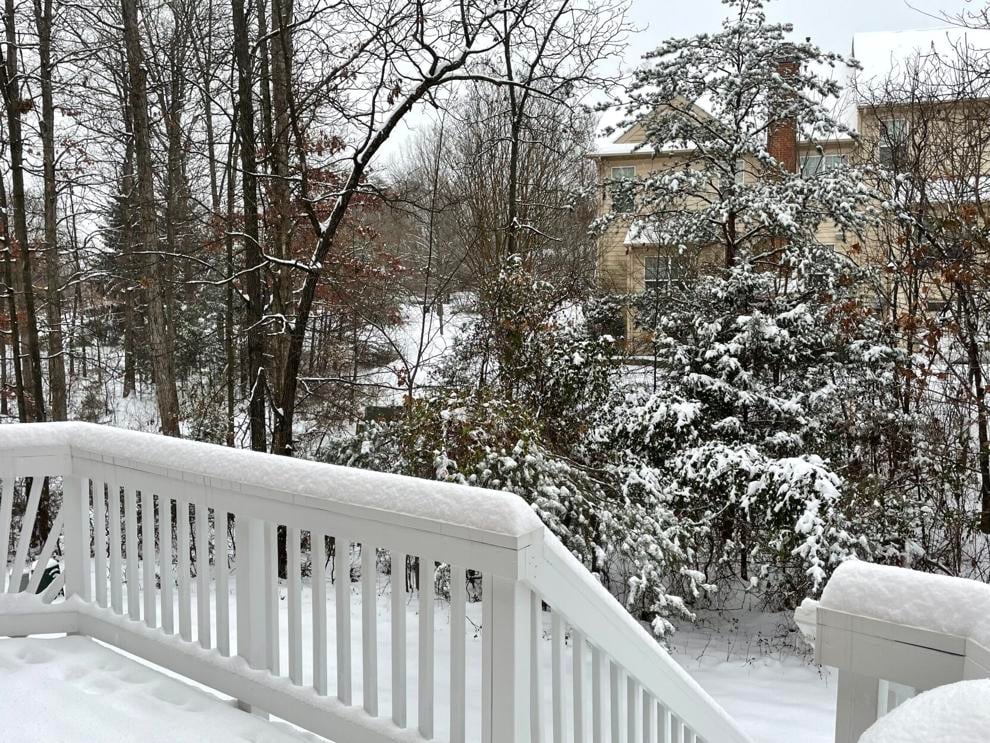
Winter snow at Central Virginia

Winter snow at Central Virginia

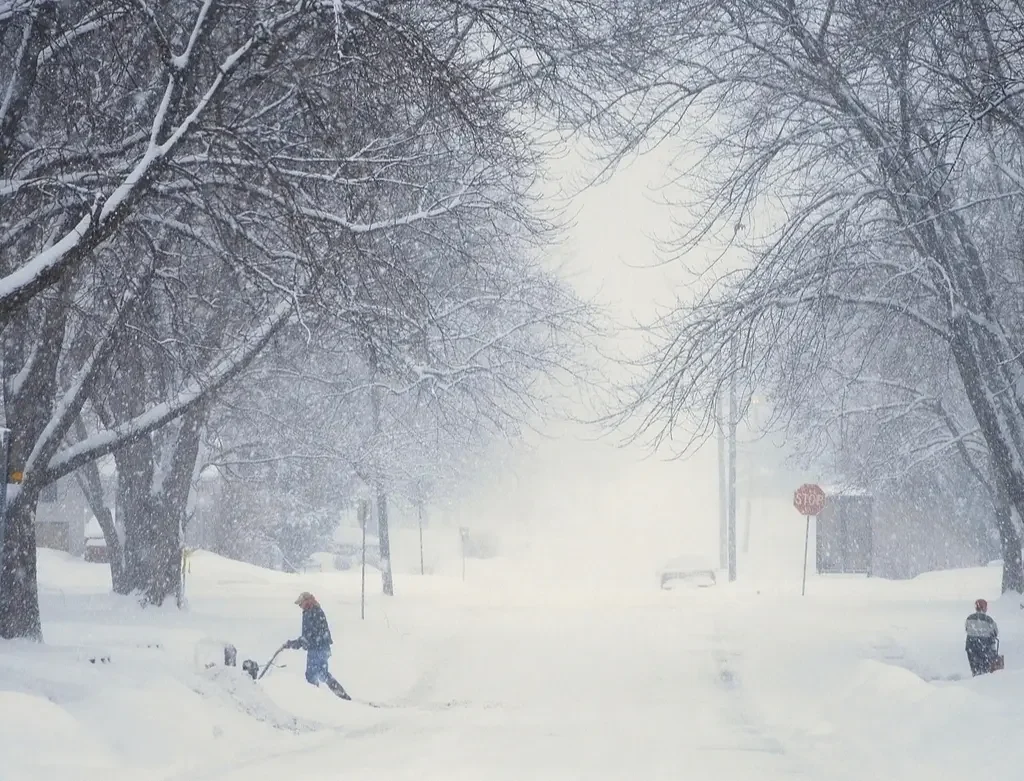
Winter snow at Central Virginia is snow that produced. When there is the cold weather system in the area. Such as Richmond, Charlottesville, and the outer counties. The amount of snowfall may be light flurries.

 Some inches based on the intensity of the storm. And the direction the storm takes. Central Virginia Winter storms. May come fast and accumulate a lot of snow. These storms may cause havoc to travel, schools, and normal life within the area.

Being aware of the snowfall forecasts Winter snow at Central Virginia assists the residents in making plans. The families can plan safe traveling. Schools can also adhere to timetables. And even the city services can react efficient. Being aware of winter storms is one of the most important aspects in Central Virginia.

What the Storm Is Bringing

The Central Virginia and its surroundings. Are also likely to receive accumulating snow due to a winter storm. The amount of snow will fall into the area at night and extend into the morning. There are regions where there might be light and moderate snowfall. And the heavier bands would lead to more large snow.

In most counties, winter weather advisories have put in place. And people advised against hazardous traveling due to slippery roads. Such alerts done in case conditions are likely to render driving and walking troublesome.

Snow Totals and Timing

It is predict that the snow can start during the late evening. Or in the early mornings depending on the time when the storm system arrives. Although exact quantities may vary. Snowfall ranging in a few inches is probable particularly at high altitude. And in the countryside. Increased snowfall has saw in the occurrence of past winter storms with 3-5 inches. And above reported in Central Virginia with stronger events.

The temperature, moisture and storm track used to predict the snow. The storm is able to generate snow more effective. When it comes into contact with moisture of the south or the Gulf of Mexico. These changes are reflect in local weather models which are update frequent.

Travel and Safety Concerns

Snow on the roads may slow down the speed of transport and make it icy and unsafe. Bridges and overpasses are prone to frozen initial forming slippery points. The people encouraged not to travel as the snow falls and soon after. The work of snowplows and road crews is to clear the main roads. But, it can take some time to treat all the road, particularly the secondary ones.

The low temperatures following storms may result in any wet surfaces. That are uncovered been frozen. and this increases chances of black ice formation early in the morning and at night.

School and Work Planning

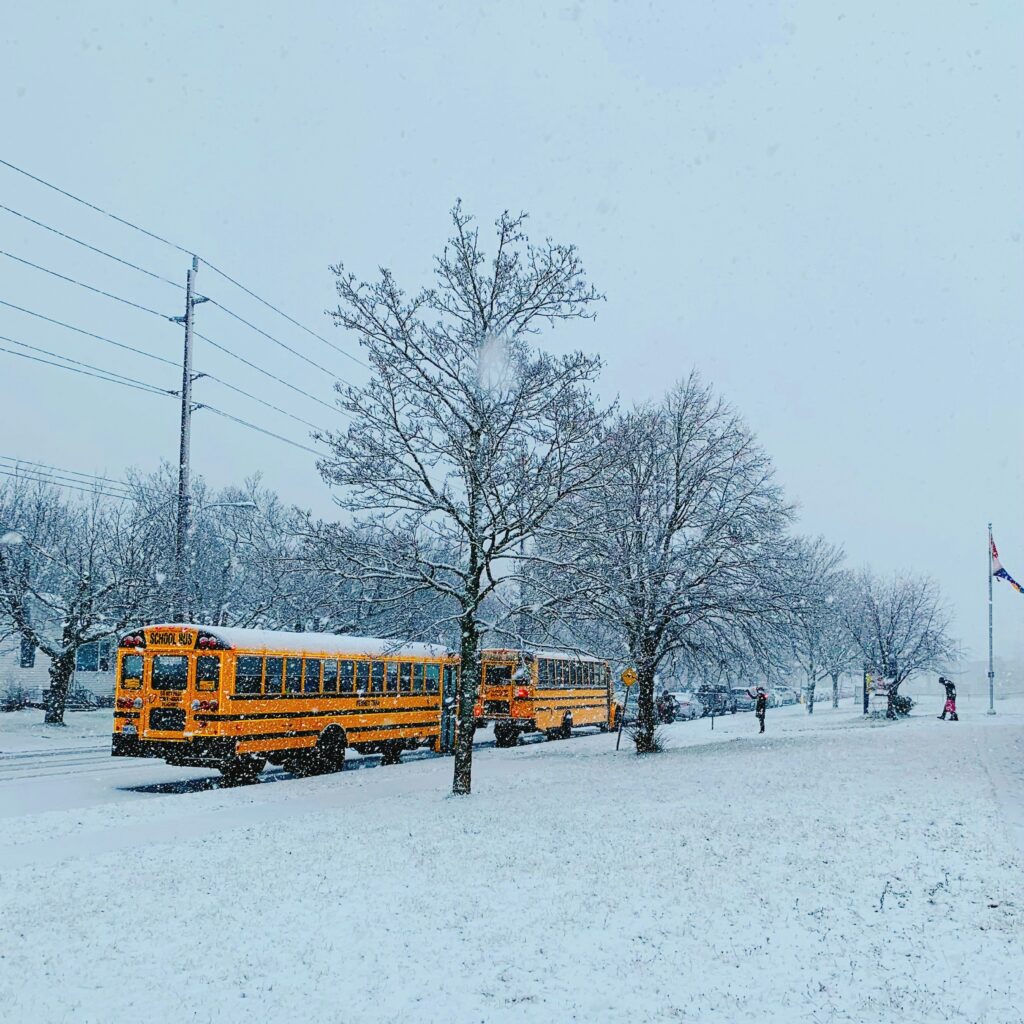
Snow that comes in winter may interfere with the school schedule. The schools in and around Central Virginia can delay openings. Or even close down altogether in case the situation is unsafe. The official notification is to expected by parents. And students in the form of school websites, local news, and notification messages.

Another thing that employers can do is change timings of work. Or even allow employees to work at home to protect them. The anticipation will enable families and employees to deal. Winter conditions without taking any unwarranted risk.

What Residents Should Do

To get ready in case of snow and winter storm:

Keep abreast of local predictions and warnings. The weather conditions may shift rapid. Keep emergency supplies on hand. Which include water, snacks and flashlights, and charge phones. Do not travel in vain as soon as the snow starts falling. 

The snow plows must space. Wear a warm dress in case you have to go out. The cold and wind may lead to frostbite and hypothermia.

Storms in Central Virginia in the past

Over the past years. There have been considerable winter storms experienced in Central Virginia. Historical records say that snowfall had diverse levels depending on the location. Some regions recording more than 6-8 inches in one storm.

 Snow and ice have affected on travel and at times even closed schools. These historical storms prove how the conditions can change. So fast and why forecasts and warnings are so significant.

Why Snow Predictions Matter

Proper predictions of the snow can keep families and communities safe. To determine the quantity and timing of the snowfall. Weather services apply such tools as satellites, radar, and computer models. These projections are not flawless. But provide the most effective available information with current data.

People are able to make pre-decisions in case a winter storm predicted. This involves arrangements on how to take children to school. Whether to go out to work or not and how to prepare homes against cold weather.

Central Virginia Snow Report

Central Virginia winter storm snow signifies snowfall. This happens when it is cold weather. Serving the regions such as Charlottesville and Richmond plus the counties. The quantities of snowfall may be light flurries, or up to several inches.

 It is dependent on the intensity and route of the storm. Central Virginia can receive winter storms rather fast and accumulate heavy snow. These storms may cause havoc to travel, schools, and normal life within the area.

Being aware of the snowfall forecasts assists the residents in making plans. Families can be ready safe travel. Schools can change the schedules and city services can react effective. The important point of staying safe towards winter storms is being aware.

Conclusion

The winter storm snow in Central Virginia is as beautiful and as it is challenging. Snowfall may make the landscapes conceived as serene and whitish. Yet it may break down the transport, educational institutions, and daily activities. Residents can remain safe during winter weather events. By listening to local prognoses, adhering to safety tips, and preparing. Which can help them to stay safe. Being informed about snowfall forecasts. And alerts is one of the keys to approaching winter storms. With the feeling of confidence and readiness.

Snow on the beach

Snow on the beach

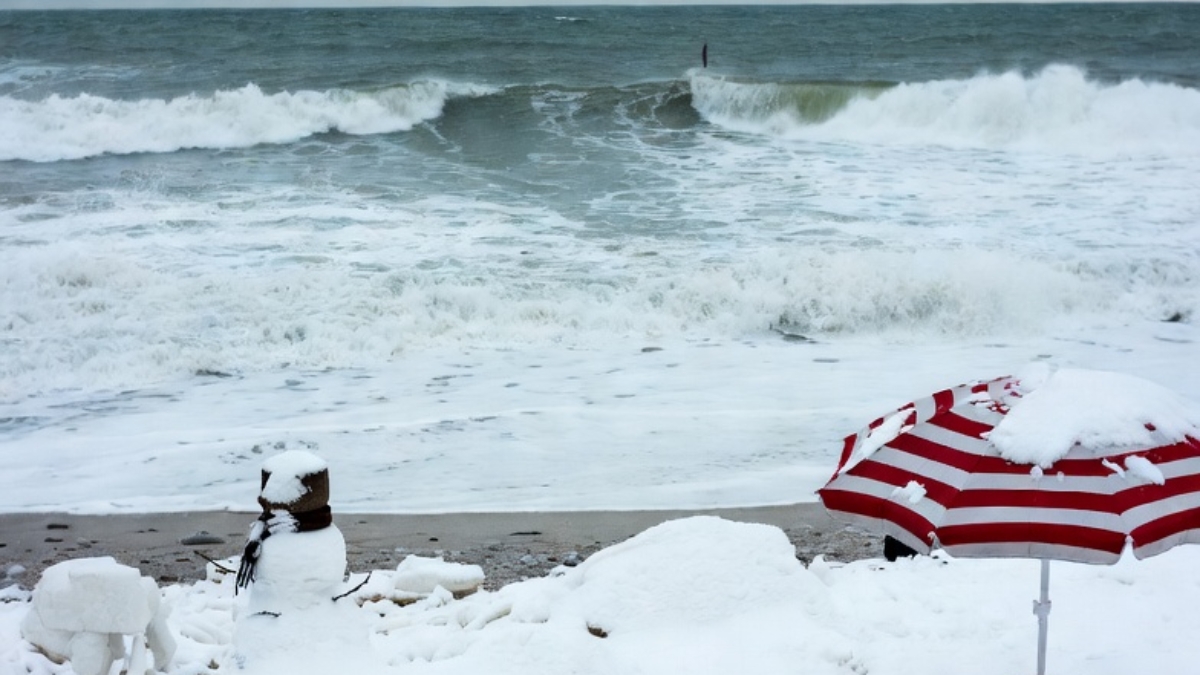
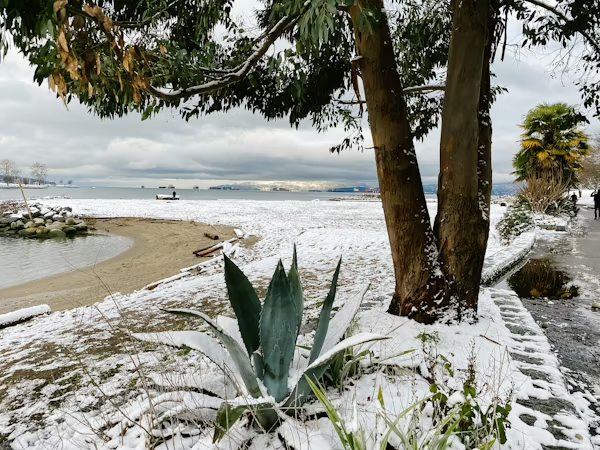
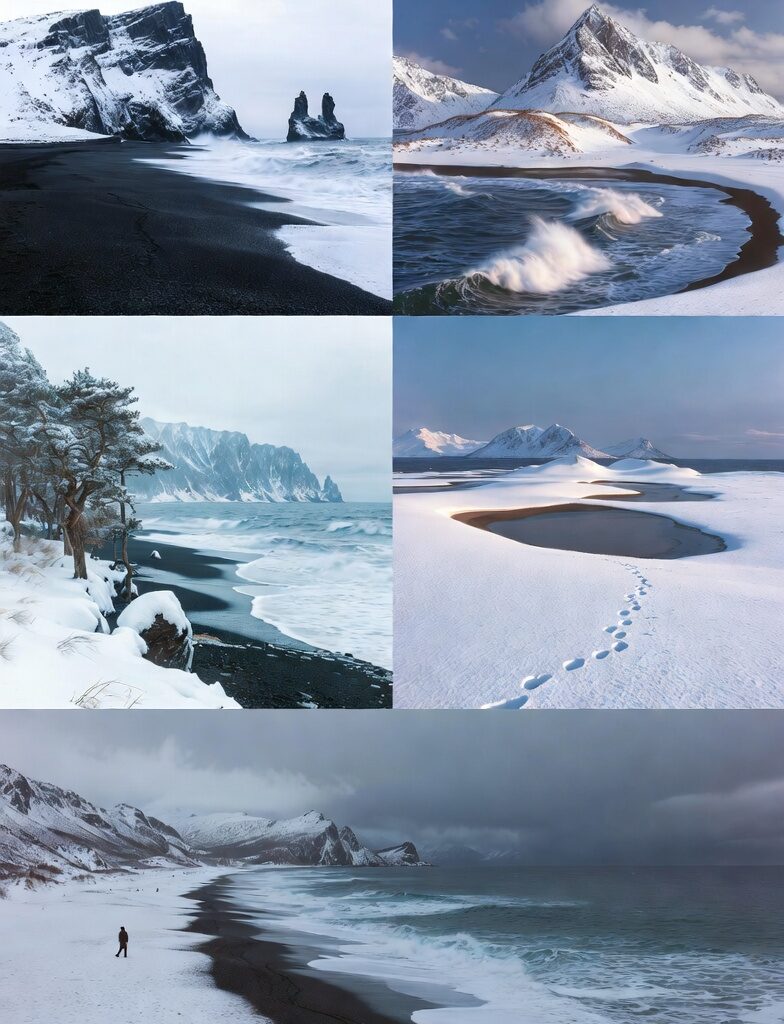
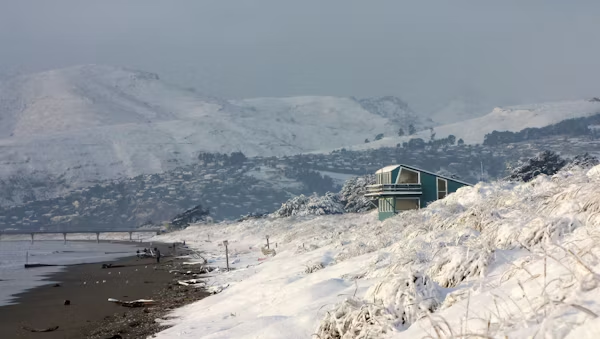
Snow on the beach occurs when the temperature is low and there is sea moisture. The snow is lying on sand which makes a contrast between white snow and sandy shore. This phenomenon is uncommon. It takes place in the northern part or the temperate regions during winter.

Snow on the beach is rare and unexpected to receive snow. The majority of people imagine that beaches are warmer and 3sunny; however, in some cases, winter storms may bring snow along the coast. This is a strange view that draws the eye and astonishes all the people who look at it.

Snow on the beach are not just beautiful. And also allow photography, observation of the nature, and winter recreation. People will be able to appreciate better by knowing how this occurs. The beauty and marvel of the snow and sand.

How Snow Appears on Beaches

Snow on the beach is the result of cold air and the sea moisture. In winter, the temperatures are lowered along the coasts. And when the weather is proper, it pours out in snow rather than in rain. This prevails more in the temperate and northern areas. In places where winters are too chilly to permit of the snow.

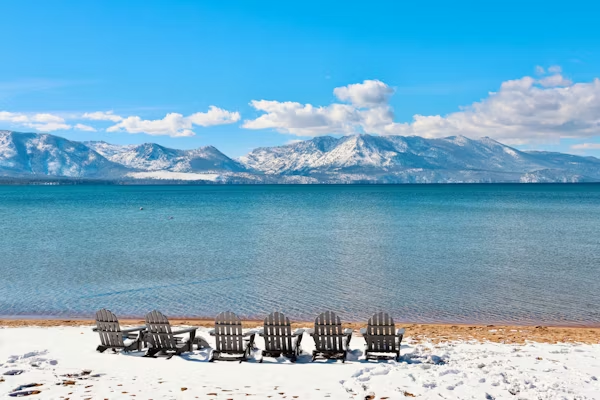
Snow and sand make a very impressive combination. The sand that is normally golden or brown is white in color. Creating patterns unparalleled to another winter scene.

Famous Snowy Beaches

The following are beaches in the world that can be covered by snow occasionally:

Northern Europe: Beaches of Norway, Sweden and Finland. Other times observe snow during the winter season.

North America: Coastline, New England. And some areas of the Pacific Northwest are able to receive snowfall on the beaches.

Asia: Beaches in Northern Japan receive snow on cold winter storms.

These are a rare chance to the photographers. And nature lovers to take breathtaking winter scenes.

Why Snow on the Beach Is Rare

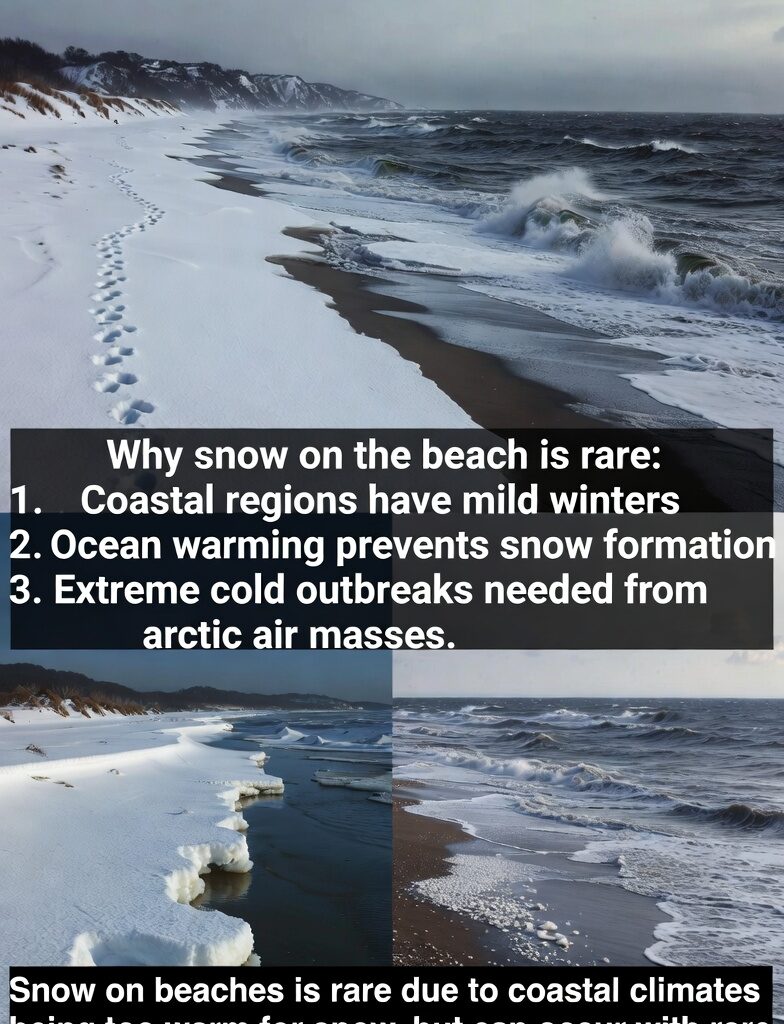
Snow on the beach is strange since the coast areas are usually warmer as compared to inland areas. Big water bodies and oceans have a tendency to cool down climates. Making sure that adjacent space does not get extremely cold. A number of conditions must take place in order that snow may fall and be deposited on a beach:

Cold conditions: The temperature of the air should be lower than that of freezing.

Moisture: The atmosphere has to have sufficient moisture to precipitate.

Light winds: Powerful winds have the ability to dissolve or blow off snow on the sand. All these factors have to occur simultaneously, which makes snow on the beach a rare occurrence during winter.

The Beauty of Snowy Beaches

Snow in the beach forms an ideal and serene environment. The sand is smoothed and footprints are covered by the snow giving a clean, white surface. The scenery can be topped with ice formations surrounding rocks and tide pools. The opposition of blue ocean, white snow. And gray skies make it aesthetically vivid.

Snowy beaches are in demand by many photographers and tourists due to this beauty. It reminds of the vagaries of nature. And how the winter can change the places so familiar.

Activities and Safety Tips

Snow on the beach is beautiful, but there is also the aspect of safety. Snow covered sand, Walking in the snow: Snow can conceal rocks or irregularities. Walk carefully. 
Cold weather: Wear warm clothes and boots and gloves that are waterproof.

Water safety: Ocean waves are powerful and harmful even throughout winter. Avoid swimming in icy waters.

Photography Photos are best taken on snowy beaches. However, watch out around slippery rocks or ice. These are the tips that allow visitors to have a good time in snowy beaches.

Conclusion

The snow on the beach is a very special phenomenon which occurs very infrequently in winter. This takes place when cold air is in contact with coastal moisture. The formation of a gorgeous contrast between the snow of white and the sands. Although this is rare, it may occur in northern Europe. In North America, and north Japan. The beaches are snowy and are a magical place to be enjoyed by lovers of nature and so even by the photographers.

It is beautiful but when going to snowy beaches safety is a factor. The right preparations can make individuals enjoy this unique natural event. And take photos of one of the most unusual of winter scenes.

Accurate Snowfall Calculations in Snow Report

Accurate Snowfall Calculations in Snow Report

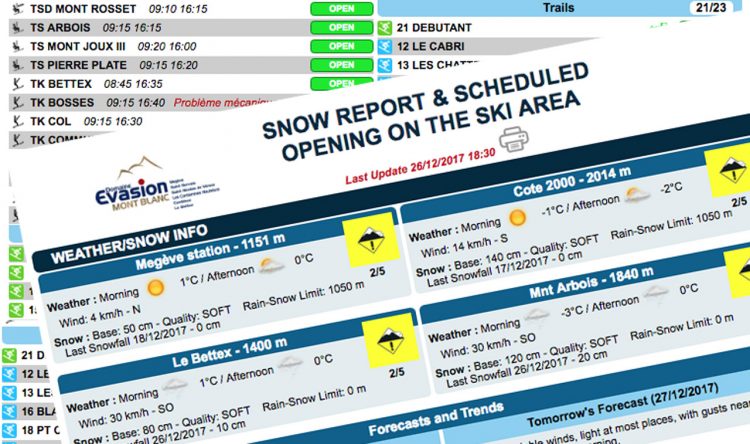
Accurate snowfall calculations in snow report help residents prepare for winter conditions. Snow report is a necessary information in the winter season. It gives information on the amount of the snowfall, depth of the snow and the current conditions and will enable people to make the right conclusions. Regardless of whether you are about to travel, deal with your daily routine, or are planning outdoor activities, it is important to know about a snow report.

Accurate Snowfall Calculations in Snow Report

Different places measure snowfall in different units, which can be confusing. Snow Calculator helps by giving accurate conversions and a clear view of snowfall amounts. When equipped with the correct equipment, snow reports would be more understandable and more accurate. Weather platforms focus on accurate snowfall calculations in snow report to deliver reliable winter updates.

What Is a Snow Report?

A snow report is an elaborate news of the recent and current snowfall activity in a certain region. It usually contains data on fresh snowfall, the amount of snow lying on the ground, temperatures and weather patterns. The travelers, commuters, skiers, and weather enthusiasts are the people who make use of such reports.

Accurate Snowfall Calculations in Snow Report

The snow report is normally updated daily or often on a day to day basis in case of a heavy fall. They are issued by the weather stations, ski resorts and the local authorities. Proper snow reports can make people understand the safety situation and plan their course of action. Homeowners benefit from accurate snowfall calculations in snow report when protecting their property.
Why Snow Reports Matter

Snow reports are very critical in day-to-day decision-making in winter. In the case of drivers, they give information on the state of the roads and any dangers they may present.Homeowners use snow reports to plan snow removal and prevent damage when snow levels get too high.
Outdoor enthusiasts, especially skiers and snowboarders, rely on snow reports. Accurate snowfall data helps them judge slope conditions and overall safety. Snow information is precise and will guarantee greater preparation and less risk.

Accurate Snowfall Calculations in Snow Report

Knowing the Measurements of Snow in Reports.

Snow reports tend to employ various units of measurement which may be millimeters, centimeters or inches. Such variation is based on regional standards and reporting systems. In its absence proper conversion, it may not be easy to find out the extent to which the snow has fallen.

An example given is the snowfall in millimeters that a snow report would display and the user is conversant with inches. This is made easy by Snow Calculator which converts the values of the snowfall in real time. This enables users to know the depth and rightful accumulation of snow.

The way Snow Calculator Enhances Snow Reports.

The Snow Calculator will help users read and comprehend the snow reports in a better manner. It is a quick and precise converter of units that can assist in making sense of raw data. The tool is precise whether it is converting millimeter into inches or comparing the amount of the snowfall.

With Snow Calculator and snow reports, users no longer need to do calculations manually and, possibly, make mistakes. This particularly comes in handy when there is a heavy snowfall and the information needed is timely and precise. The tool brings efficacy and credibility to all snow reports.

Who is the Beneficiary of Snow Reports?

Snow reports are useful to a great number of users.Travelers use them to plan routes and avoid dangerous weather. Emergency services use snow reports to prepare for rescue during severe winter storms.

Winter sports users and ski resorts rely on snow reports to keep track of the weather and plan their activities. Businesses and local authorities also use snow reports to manage operations and keep people safe. Quality information enhances superior decisions at all levels.

Conclusion

A snow report is not only a weather report, but it is an essential tool at winter time. It assists individuals to be up in date, secure and ready to handle shifting snow situations. This requires knowledge of snow measurements and conversions to be able to understand these reports.

Snowing Calculator makes it easy to understand snowing reports. The tool is highly precise in its conversions and the presentation of insights to users, thus making snow reports reliable. Snow Calculator simplifies snow data to better understand and can be used in different ways like travel or safety, or recreation.

school closings Vt

school closings Vt

School terminations in Vermont (VT) are school decisions. To retain students and staff when there is a severe winter. school closings Vt Such closings normally occur due to heavy snow. Frosty roads, drizzling rain or extremely low temperatures.

Vermont winter may be severe and unpredictable. Roads are usually dangerous owing to snow, ice and low temperatures. Students and families should be informed whether schools are going to open or close.

The forecasts of school closings Vt are useful to families. Parents will be able to organize childcare, change work routines, and retain children at home. Through learning the mechanics of school closings. Winter storms and their consequences can be better addressed by communities, and dangers minimized.

Why Schools Close

Schools shut down because of security. Roads may become dangerous in case of heavy snowfall. School buses and parents are risky on the road as a result of the ice roads. Freezing cold and wind cold may be dangerous to students standing at bus stops. The dangerous conditions may also be formed with the help of freezing rain and powerful winds. The number one consideration when schools make the decision to either close or open later is safety.

A little bit of snow can cause trouble in transportation. And turn going to school perilous. Vermont has a hilly topography coupled with rural roads which complicate weather conditions further. This is the reason why school districts pay close attention to winter weather before passing decisions.

The Decision Making Process of School Closings.

Weather forecasts are utilized by school officials in order to decide on closures. Weather models, meteorologists monitor storms with the help of radar and satellites. They forecast quantities of snowfall, ice, and temperature.

The forecasts that are checked by school districts are done overnight and in the early morning. In case of insecurity, they declare closings or delays of schools. Partially closing down, early dismissing or remote learning options may also be viewed by some districts.

Predictions of the weather are not precise. The conditions may vary rapidly. And therefore families ought to wait until official announcements are made before going to school.

Winter Weather Hazards that lead to closures.

Vermont schools frequently shut because of weather in winter like:

  • Heavy snowfall
  •  Icy or slippery roads Freezing rain
  •  High winds or poor visibility.
Predictions of West Michigan school closure

Extreme low temperatures

Even a few inches of snow may create a problem when it comes during the busiest of the time. Freezing rain may form ice along the roadways and sidewalks. The snowy weather can result in extended shutdowns or emergency warning.

School officials hope to avoid accidents by observing such conditions. And secure the protection of students and personnel.

The way Families can keep up to date

Students and parents are to use formal school contacts. You can find the latest updates on:

  • School district websites
  • Local news channels
  • Text, email or phone notification.

Schools usually share these updates in the morning or the previous night. Families can watch weather reports to prepare for snow days. Planning ahead also helps parents manage their work schedules.

Time management and care and keeping children secure.

What Students Can do on Snow Days

Snow days give students an opportunity to be secure in their homes. They are able to read books, do homework or do indoor activities. Snow days also give families a good opportunity to spend quality time together.

The most significant aim is to be warm and keep away the outdoor risk.

Provided the remote learning options, students have a chance to proceed with their studies. Even when schools closed. Schools sometimes give online assignments or hold online classes to ensure students do not fall behind.

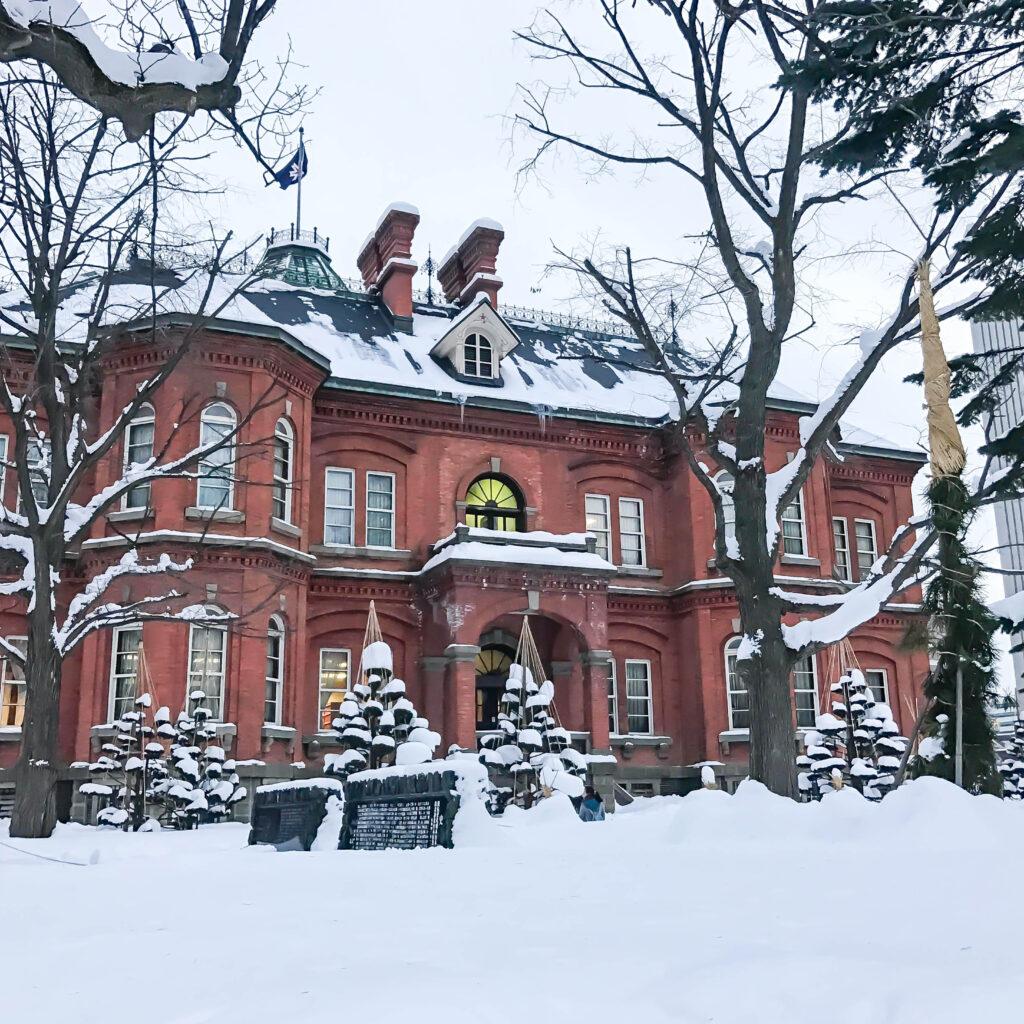
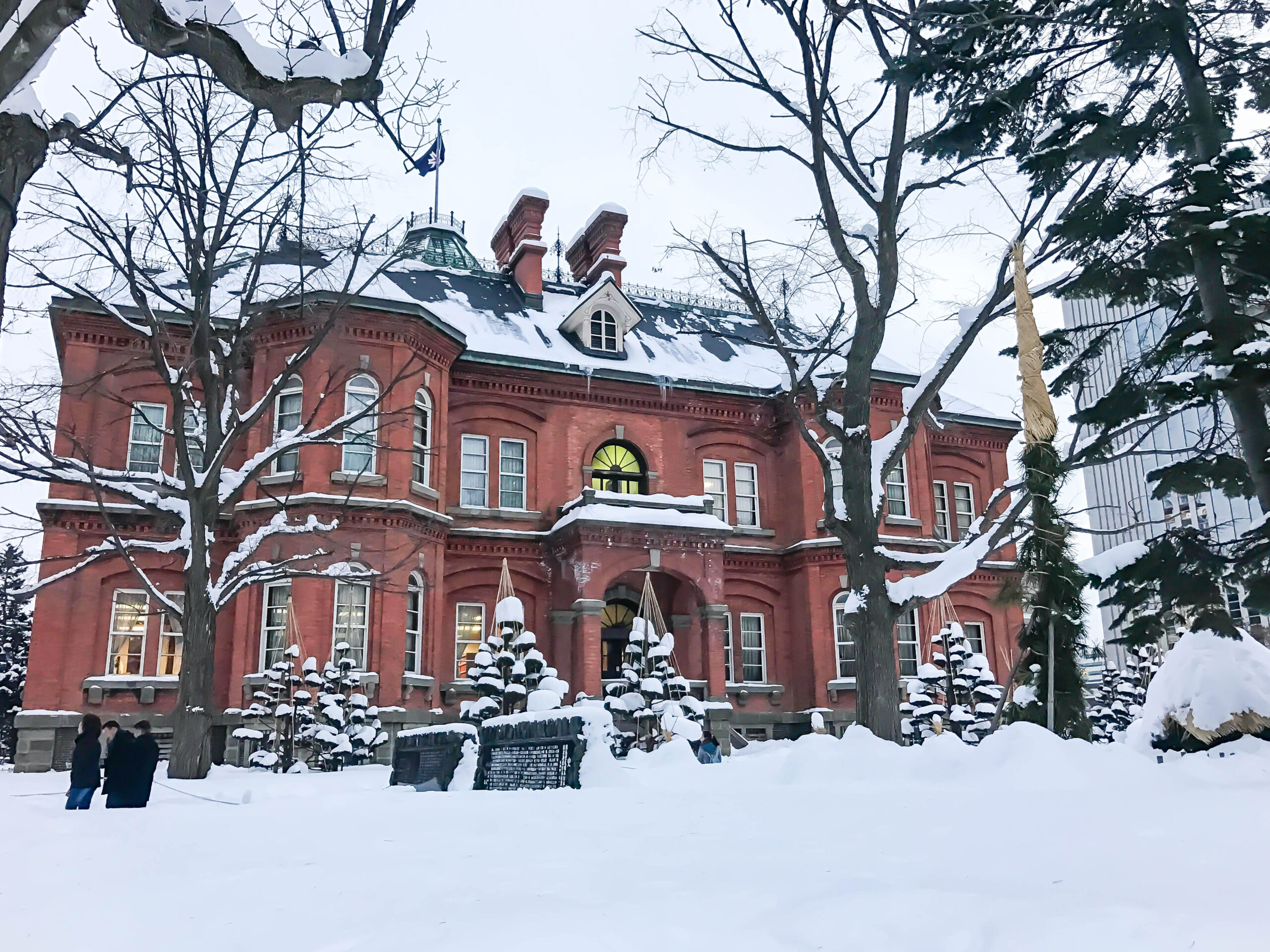
Former Hokkaido Government Office in Sapporo, Japan

Conclusion

Vermont winter weather often affects schools. Snow, ice, freezing rain, and extreme cold create unsafe travel conditions for families, buses, and students. Schools in VT announce closures as a precaution to keep everyone safe. Families should stay informed by checking school websites, official announcements, and local news reports. Through school announcements and prediction of snowfalls. During winter storms, parents are able to plan and secure their children. Through proper planning and prompt intelligence. The Vermont communities can safely and effectively deal with snow days.

Predictions of West Michigan school closure

Predictions of West Michigan school closure

Predictions of West Michigan school closure often depend on snowfall totals and road conditions.
West Michigan winter weather is a natural phenomenon. Cold, snow and ice are likely to enter the picture and so will our routine daily practices. One of the biggest problems during winter storms is deciding whether schools will close. The anticipation of the schools shutting down helps the families to budget in advance and stay safe.

Predictions of West Michigan school closure

The West Michigan can experience the winter storms. A peaceful evening can turn into a snowy morning. Because of this, parents, students, and teachers use weather updates. And school announcements. The schools are simpler to predict how the schools will close, thus causing less stress on the winter days.

Why Schools May Close

The West Michigan schools were closed because there were safety concerns. Roads can be unsafe because of snow. School buses may not be able to go safely on the icy roads. It is not also possible to walk to bus stops when it is cold and snowy as young students will be unable to do that.

Extreme cold is also another reason that leads to closures. Very low temperatures and strong wind chills could be hazardous. Freezing rain can form icy surfaces and make roads more dangerous.

Predictions of West Michigan school closure
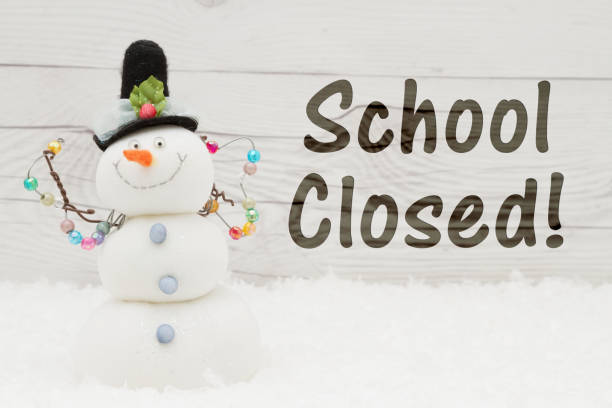
School canceled message, A snowman with text School Closed on weathered wood

The school leaders are always concerned with the safety of the students. In case of bad conditions, schools can be closed or not even opened. Parents closely follow predictions of West Michigan school closure during winter storms.

The Process of School Closing Predictions.

School closing Forecasts based on weather forecasts. Radar, satellites and weather models assist meteorologists in investigating winter storms. They can check the quantity of the amount of the snowfall and time and temperature changes of a storm.

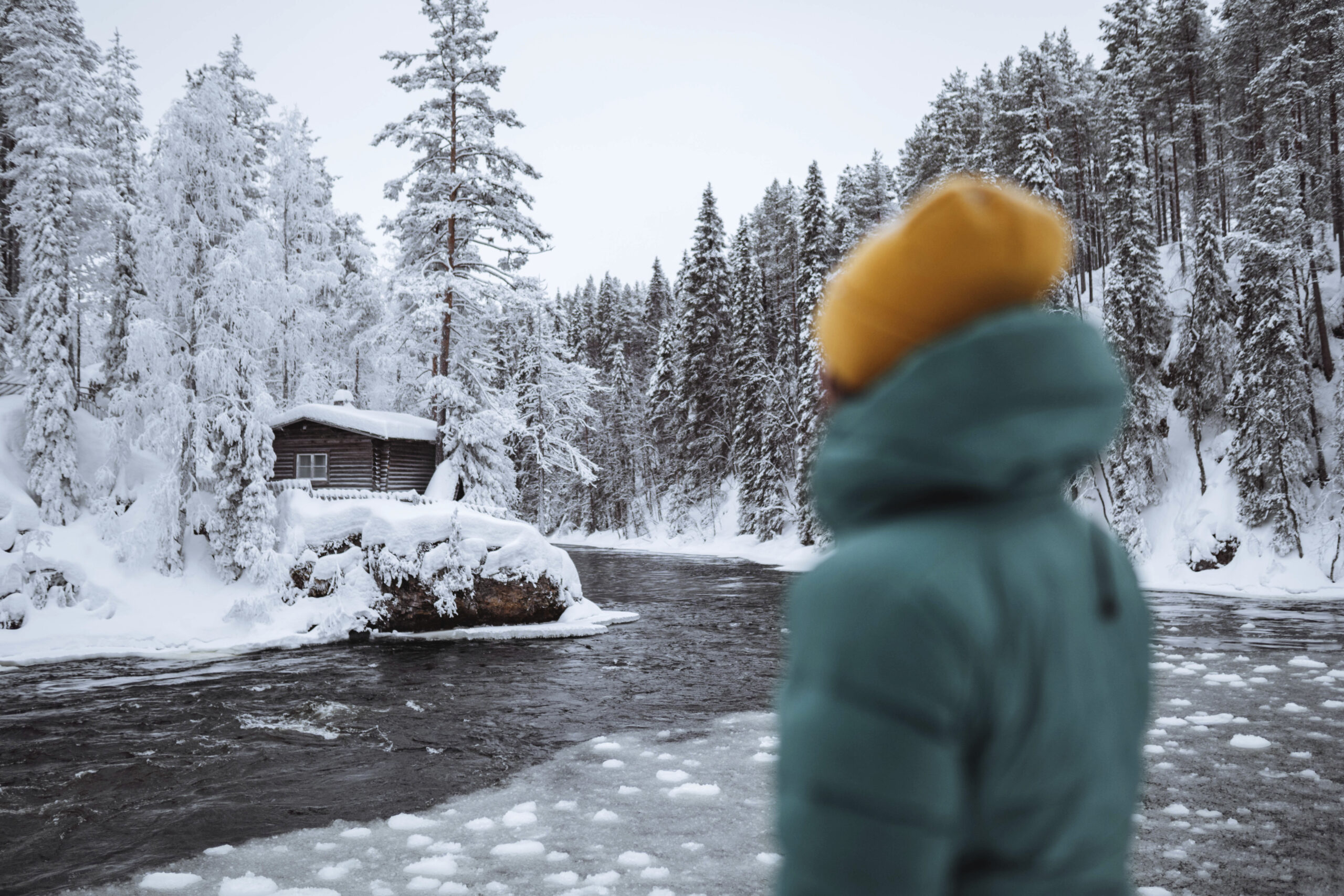
Woman at a frozen river in Lapland, Finland

These prognostications are examined by the school districts. To make sure that a storm was to occur at night or at dawn. Schools can be closed down by the administrators even before the day commences. In this instance early morning resolutions. Provided that the weather data can be re-read.

Not everything predicted can be accurate. It is an erratic weather. This is why, families should never be in a hurry to report about schools.

Winter Conditions for Closures

West Michigan is known to close schools due to winter. These are heavy snow, ice roads and freezing rain. A small one inch snow can be a nightmare particularly when it can come at an inappropriate time when there are individuals on the road.

Predictions of West Michigan school closure
Former Hokkaido Government Office in Sapporo, Japan

Strong winds can make the road not only low visibility but also hard to drive. The temperatures are low and there is snow resulting in increased chances of contracting frostbite and sickness. These are the considerations that are relevant in the closing of schools.

Staying Up to Date in Winter Weather.

They ought to remain in contact with the local news stations which families are viewing. Authoritative releases, school websites. Many of the schools update either via text messages, email, or apps. Schools usually send these notifications early in the morning.

Families can also prepare by checking the weather forecast the night before. It is possible to plan on how to avoid confusion and allow the parents to handle the work and childcare needs.

Conclusion

A school’s winter feature includes its snow forecast for West Michigan. The snow fall predictions, road conditions and temperatures affect these decisions. The official school announcements are the word although predictions will help in guiding the expectations.

Families can handle winter weather by staying informed and prepared. School shutdowns are inconvenient. They are however handy in making sure that the students are intact in case of extreme winter conditions.

list of school closings today

list of school closings today

School closings are more often caused nowadays by winter weather such as snow, ice, and freezing temperatures. In most places, school districts are very keen on road safety, weather predictions, and other local conditions and make decisions on whether to close schools, postpone the opening time or move to online classes. Local news outlets regularly publish the list of school closings today to help families plan.

Why Schools Are Closed Today

Severe or sudden weather is the most common reason for closing schools today. Students and staff can find travelling unsafe because of snowfall, icy roads, and low visibility. Power interruptions or low temperatures in certain regions are also among the factors that cause closures.

list of school closings today

Types of School Closings

The school districts can declare various kinds of changes, depending on circumstances:

  • Full-day closures, where the schools are closed all day long.
  • Late opening, normally one or two hours.
  • Dismissals at an early time, when conditions become worse during the day.
  • Online or remote classes rather than face-to-face classes.

These alternatives assist schools in focusing on the safety of students and, at the same tim,e reduce the burden on learning.

Checking the List of School Closings Today.

Trusted sources update and provide lists of school closings for parents and students.

  • Local news media and television stations.
  • Institutional school websites.
  • School notifications, e.g.SMS or email messages.
  • Weather applications and snow days calculators.

Due to the change in circumstances, it is necessary to monitor changes early in the morning.

Impact of School Closings

The closure of schools impacts both parents and teachers. Parents might be forced to change their working hours, childcare or home learning. To maintain the learning processes, many schools will assign homework or learning online during closures.

list of school closings today
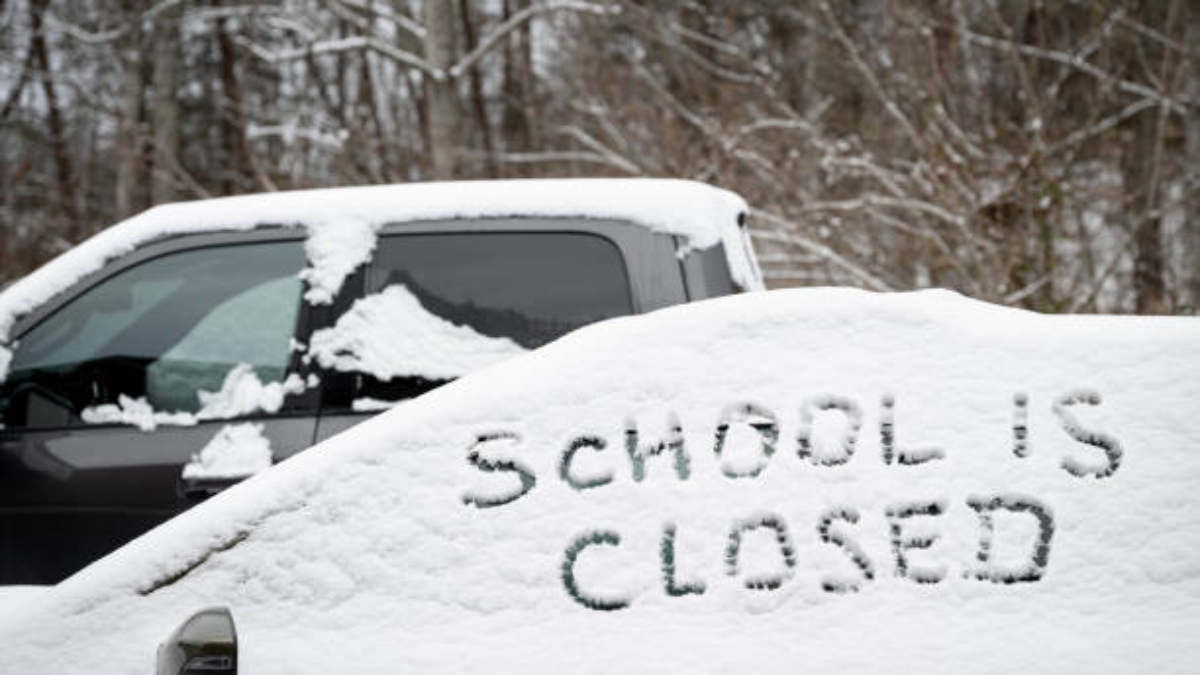
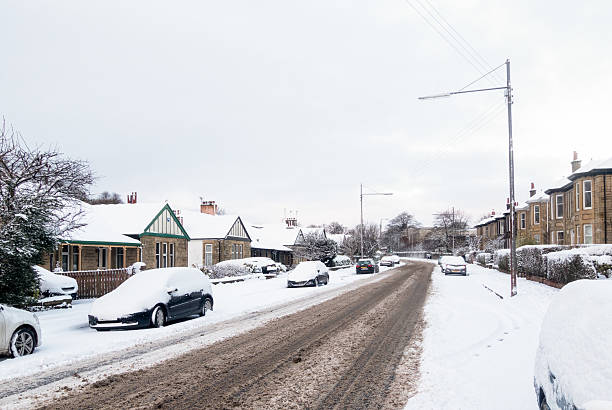
Deep snow covering an area of Glasgow’s Jordanhill during February.

Stay Updated and Prepared

Schools normally update closing announcements as weather conditions change during the day. Using official channels to provide updates helps families prepare in advance and stay safe.

Conclusion

Today, the list of school closings is a remnant of safety-first decisions of school authorities in reaction to the weather and local conditions. The best way to get the most accurate and up-to-date information is to check official school websites or local news, and people should take precautions during extreme weather.

Snow Forecasting Winter Guide

Snow Forecasting Winter Guide

The Snow Forecasting Winter Guide makes understanding snow patterns simple and reliable. Winter storms are such severe weather conditions that can easily change a landscape that one knows into icy and snowy conditions. When the temperature decreases, and the moisture accumulates, these storms may pose dangerous situations which influence everyday life. It is necessary to understand what to expect in order to remain safe and prepared.

Snow forecasting is crucial in forecasting the occurrence, intensity and effectiveness of winter storms. It is the meteorologists who determine the spots where the snow will fall based on the patterns of temperature, the amount of moisture available, and the position of the storms. This knowledge can assist the communities to make wise decisions ahead of the arrival of dire weather.

Snow Forecasting Winter Guide

Correct forecasting of winter storms is vital in averting inconveniences and security of the population. Whether the planning of traveling or even the preparation of homes or business, timely updates enable people to respond well. The individuals are able to safeguard themselves and their family better in severe conditions of winter with the appropriate information.

What Is a Winter Storm?

A winter storm is a weather condition that is marked by heavy snowfall, strong wind, freezing rain or sleet. Such storms are common and usually take place when the cold Arctic air combines with warm and moist southern air to form strong storms that would cause considerable amount of snow. A winter storm can be a few days or a couple of hours depending on its intensity.

Snow Forecasting Winter Guide

How Snow Forecasting Works

Prediction of snowstorms is accomplished by meteorologists with a composite of weather models, satellite images and radar information. Your go-to Snow Forecasting Winter Guide for tracking snow, storms, and seasonal changes. Stay ahead of storms with our complete Snow Forecasting Winter Guide.

1. Temperature Levels

The snow is formed in cases where the surface temperatures and atmospheric temperatures are freezing or below the freezing point. Any minor alterations may affect the falling of precipitation in the form of snow, sleet, or rain.

2. Moisture Availability

Weather systems pull moisture from oceans or lakes and cause heavy snowfall, especially in areas where lake-effect snow occurs.

3. Storm Track

The route of a storm will decide the regions that will be covered with snow. Even a 20-50 miles change would cause a significant shift in the amount of snowfall.

Snow Forecasting Winter Guide

4. Wind Patterns

Forecasters use wind direction and speed to predict where snow will fall and whether blizzards or snowdrifts may form.

Through these factors, forecasters give in-depth evidence of the amount of snow to fall several hours or days before it actually falls.

Winter storm warns can be of the following types

depending on the intensity of the storm, weather agencies issue various alerts:

Winter Weather Advisory

Issued in situation where there is a light to moderate snow that may affect travel.

Winter Storm Watch

Giving a notice of possible heavy snow, ice or hazardous weather conditions in 24-48 hours.

Winter Storm Warning

The amount of snow or ice is likely to be of great danger and is issued when a large amount of snow or ice is anticipated.

Blizzard Warning

Their release is in the case of strong winds and heavy snows that form near zero visibility and life-threatening conditions.

These notifications will assist communities in preparing and making the required precaution.

Effects of Winter Snowstorm

Winter storms may affect all the spheres of life:

Transportation Delays

The snow-covered roads and the icy highways lead to traffic jam, accidents and cancellations of the flights.

Closures in School and Business.

When the snow is significantly high it can be shut down temporarily to maintain safety.

Power Outages

Accumulation of ice on power lines may interfere with power.

Health Risks

Without appropriate precaution, cold temperatures can lead to frostbite, hypothermia or any other cold-related diseases.

Preparation Guide: Winter Storm

One needs to remain alert. Some safety tips include:

Prepare additional blankets, warm clothing and emergency supplies in the house.

Precharge all the electronic devices.

Do not use unnecessary travel during a snowy season.

Buy basic grocery and pharmaceutical supplies.

Keep abreast with sound weather forecasts.

Good preparation will minimize the risks and comfort in the frozen winter.

Conclusion

Forecasts of winter storms in the form of snow are very important in keeping people updated and out of danger. Through learning how the meteorologists forecast the occurrence of snow and the possible effects of winter storms, people and communities can be able to prepare. Weather in winter can be gorgeous, however, it is necessary to respect its power and think about it.

Frequently Asked Questions

What is the most accurate snow predictor?

OpenSnow is your trusted source for the most accurate forecast, snow report, and severe weather maps.

Is snowfall hard to predict?

Snowfall amounts can vary a lot during storms and can be difficult to forecast, especially 2 – 3 days before the storm.

How do I know if snow is coming?

Learn how to set a barometer and how to read a weather map in order to track changing weather conditions for yourself. Typically, falling atmospheric pressure signals coming precipitation. If air temperatures are right, precipitation will fall as snow (typically between -2° and 2°C or 28° and 35°F).

What makes 90% of snow?

Because snow is comprised of 90 to 95 percent trapped air, it means it’s a great insulator. This is the reason many animals burrow deep into the snow during winter in order to hibernate.

How warm is too warm for snow?

Snow forms when the atmospheric temperature is at or below freezing (0°C or 32°F). If the ground temperature is at or below freezing, the snow will reach the ground. However, the snow can still reach the ground when the ground temperature is above freezing if the conditions are just right.

snow forecasts of winter storms.

Snow forecasts of winter storms

Snow forecasts of winter storms is a forecast of the occurrence of snow. How much snow is anticipated, and which areas are likely to be affected? Weather gurus employ weather models, radar. Satellite information to make sound forecasts about the amount of the snow.

The snowfall predictions are significant in winter weather forecasting. They assist in travelling, safety in case of an emergency, and daily planning. Through the knowledge of snowfall forecasts, individuals can minimize risks when there is a winter storm.

The method of predicting snow by Meteorologists.

Meteorologists employ various instruments to produce precise winter storm predictions. These are satellites, weather radars, computer models and ground based weather stations. Through observation of cloud cover, atmospheric pressure, direction of the wind. And the temperature conditions, the professionals are in control to foresee the sites and times of snowfalls.

One of the determinants of snowfall is cold air. When the temperatures are low and there is moisture in the atmosphere. Rain does not fall but it is precipitation in the form of snow. The slight variations of temperature can influence the quantities of snowfalls. That is the reason why updated winter storm snowfall forecast.

Winter storms cause rapid changes in the weather. Snow may result in unsafe roads as they are icy. A snowforecast of a winter storm assists individuals heed to them. Secure in extreme winter conditions.often.

snow forecasts of winter storms.

Content Knowledge of Snowfalls.

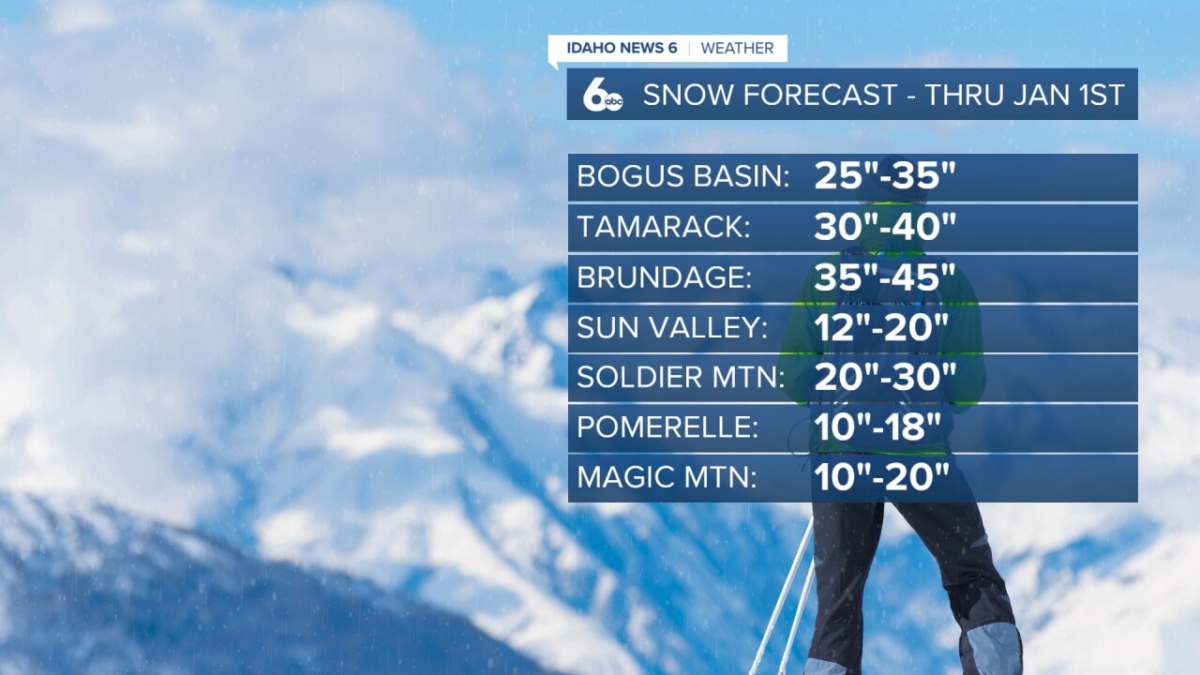
Meteorologists normally measure snowfall in inches or centimeters. It is common to see types of forecasts which include a range of the anticipated amount of snowfall like 2-4 inches or 6-10 inches.Meteorologists use these ranges to explain variations in the direction or strength of a storm

The slight snowfall can lead to slight delays in traveling. Although the snowfall may be heavy causing road closures, power power outages, and school closures. At elevated altitudes and colder climates, more snow is received than in lower altitudes.Meteorologists provide snow forecasts of winter storms.

Winter Storm Warnings and Advisories.

Weather agencies give different alerts based on the severity of storms. A winter weather advisory indicates expected light to moderate snow.

And may cause inconvenience. A warning of a winter storm implies that there would be a lot of snow, which might be hazardous.

Extreme cases also lead to a blizzard warning being issued. When a lot of snow and heavy winds make visibility hard.These warnings make individuals know when to remain at home. Modify the travel plans, or follow safety measures.

snow forecasts of winter storms.

Effect of Winter Storm Snowfall.

Winter storms may impact the normal life in various ways. Snow roads are dangerous to drive on, whereas ice on the sidewalks puts one at risk of falling or sliding. During intense storms, airports can delay or cancel flights, and businesses can shut down.

Snowfall may also cause stress on the power lines and trees which results in outages. For this reason, meteorologists make timely snowfall predictions. Critical emergency services and city planners.

snow forecasts of winter storms.

How to Prepare for Snowfall

It is simpler to be prepared to face a winter storm. In the event of a predictable amount of the snowfall. Individuals are stockpiling emergency supplies. These include hot garments, food, water and flashlights. Cars must be prepared in winter, and they should have the right tires and fuel.

Being updated on weather enables people to be informed. And families to adapt to new circumstances.

Significance of Correct Forecasts.

Effective snowfall predictions of winter storms lead to minimization of risks and saving of lives. They enable governments to arrange snow clearing. Control traffic and give out warnings on safety. To the individuals, forecasts bring peace and ease in the daily planning.

Although weather can change . Contemporary forecasting systems are still getting better. Predicting snowfalls as never before.

Conclusion

Snowfall forecasting of winter storms is a very important constituent of winter weather planning. Through forecasting the quantity of snowfall, time, and location. Such predictions will keep individuals safe and ready. The knowledge of the snowfall forecasting enables the individuals. To make intelligent decisions in the event of winter storms. With the winter on, keeping up. The most appropriate way to deal with snowfall event is with local weather forecasts and mitigate its effect on the everyday life.

4mm of snow in Inches.

4mm of snow in Inches.

The amount of snow that falls is normally quantified in different units against the nation or origin of the weather. There are reports of weather that show the depth of snow in millimeters and those that show it in inches. That is why people should know how to convert 4mm into inches to use snow calculators and winter weather predictions.

An Introduction to Snow Measures.

The light snowfall is usually measured using the metric system of ice or sleet accumulated in millimeters. In the United States and other regions of the planet, the popularity of snow reports is in inches. Snow calculators use these measurements to calculate snowfall, road conditions, and the possibility of school closures or travel delays.

4mm to Inches Snow Conversion

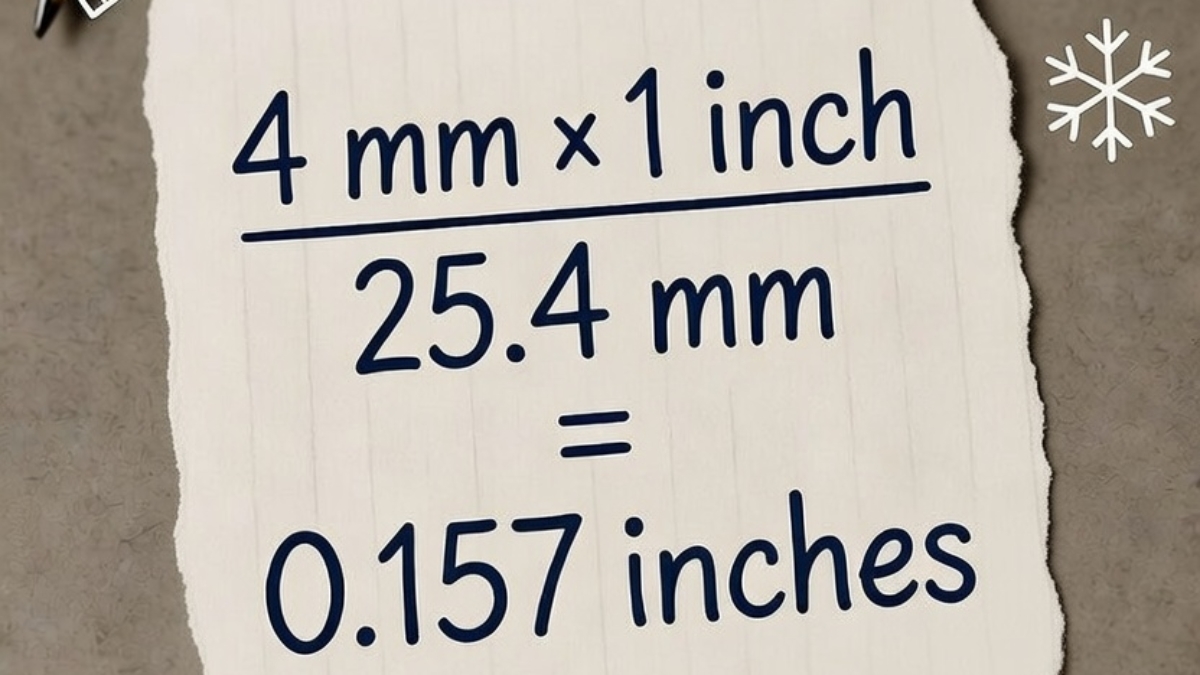
Millimeters to inches = The normal formula is:

1 inch = 25.4 millimeters

Now convert 4mm to inches:

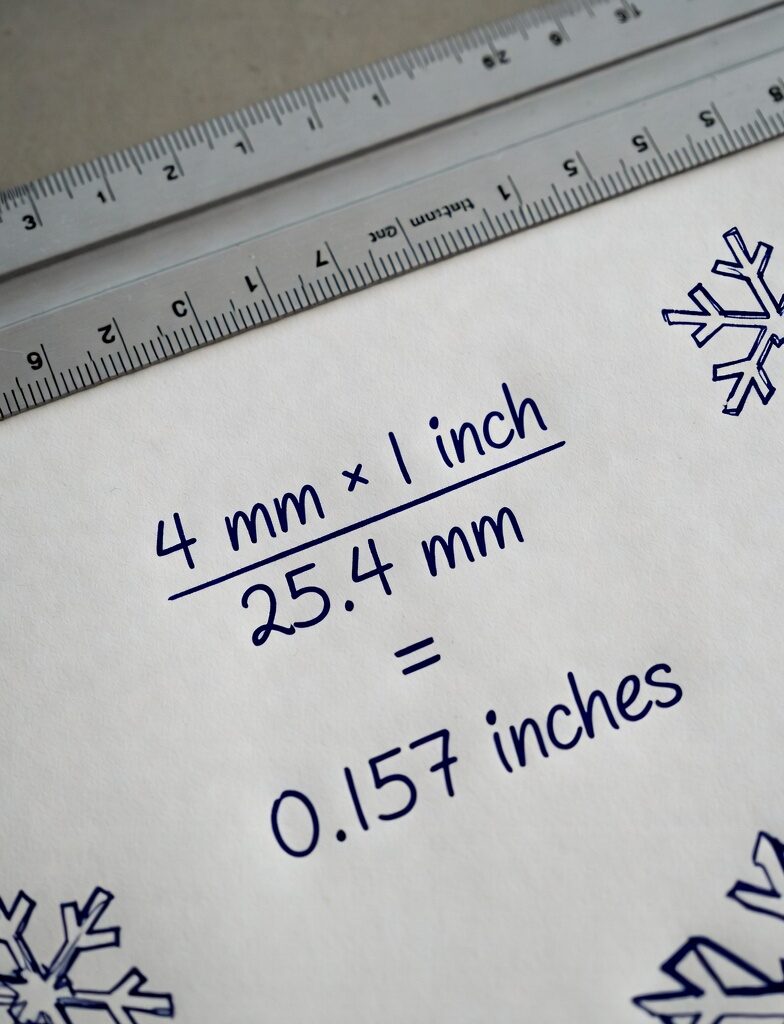
4 ÷ 25.4 = 0.157 inches

Thus, 4mm of snow has a weight of approximately 0.16 inches.

What does 4mm of Snow mean?

Snowfall of 4mm is referred to as the lightest one. It is usually in the form of a fine dust on the ground, roof tops, or cars. In the majority of cases, such an amount of snow does not present any serious problems of movement but may make the surfaces slightly slippery, in case the temperature is near to the freezing point.

Conversion Matters in a Snow Calculator.

Proper measurements help forecast snow impact through snow calculators. Users convert inches into millimeters to understand how thick the snowfall was and prepare against the weather. This also helps compare the prediction with the forecast. Schools and early morning commuting decisions should consider even 4mm.

Quick Guide to Calculations of Snow.

1 mm of snow ≈ 0.04 inches

4 mm of snow ≈ 0.16 inches

Conclusion

You may use predictions of a snow calculator so that you may know how to read the predictions. An inch of snow falls is 0.16mm and it implies light snow fall with minimal impacts, but there isa probability of smoothness.