
When comparing weather reports 70 mm To in Inches of different areas or when converting measurements of metric snowfalls into the imperial system used in the United States of America, the question of 70 mm to inches tends to appear. This is easy but vital for everyone who handles winter precipitation, especially because most countries measure snow depth in millimeters or centimeters, while America uses inches to forecast and discuss weather.
The conversion is mathematically based on the precise proportionality of millimeters of inches: one inch is 25.4 millimeters. As a result, in order to know the number of inches corresponding to 70 millimeters, then take 70 divided by 25.4. The exact value is about 2.7559 inches, but most people approximate it to 2.76 inches or 2.8 inches for daily use. Such slight yet significant distinction can make a difference in the way of how people can experience a snow event, a light dusting or something to prepare to.
On the Snow Calculator site, we are experts at measuring the actual effects of the snowfall including weight loads on buildings, changes in density, and the effect of accumulation. Unfortunately, the world does not communicate using the same standards of reporting, thus, conversions such as 70 mm to inches allow users to reconcile the different standards of the world, resulting in more precise evaluation of the physical burden of snow. Is it an overseas prediction you have in your hand or are you figuring the roof thatching, this basic measure links imperial familiarity with metric accuracy.
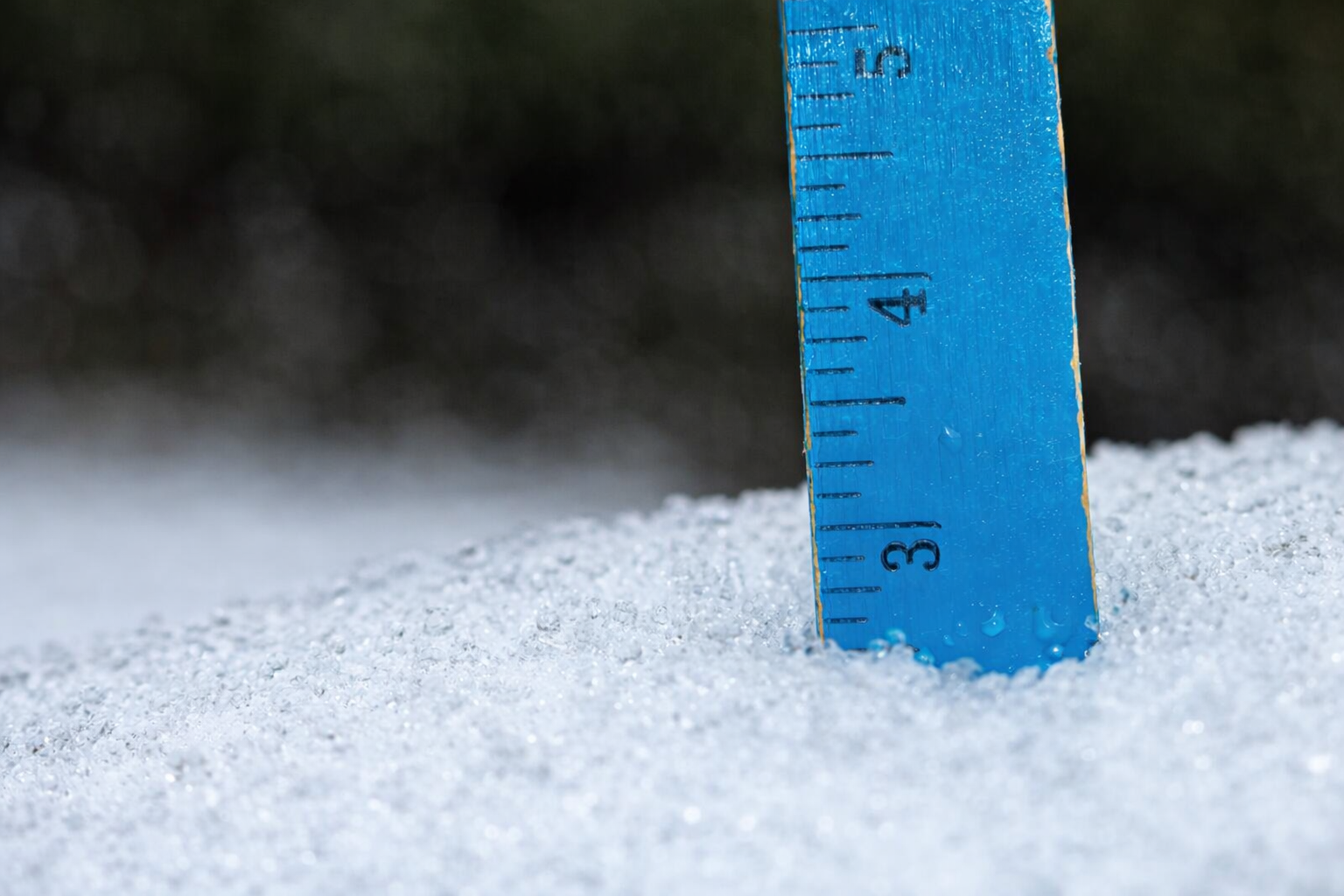
The Precise Conversion: How 70 mm to Inches
The following formula should be used to carry out the conversion:
inches = millimeters ÷ 25.4
Applying this to 70 mm:
70 ÷ 25.4 = 2.7559055118 inches
In real life, this number is commonly rounded off. Most meteorologists and homeowners estimate it to be 2.76 inches to make the estimate fast. Informal estimates put it at 2.8 inches, particularly in the general severity of the storm. The inch definition used internationally (precisely 25.4 mm) is such that it provides a global standard, so it is one of the most dependable unit conversions in meteorology and engineering.
To the fractions lovers, 70 mm is almost equal to 2 3/8 inches (2.75 inches), and this is why people also refer to it as slightly less than three inches in their unofficial talk.

The importance of This Conversion to Snow Measurement
The depth of the snow is all relative. Many international weather services (metric countries included) also use snowfall either in millimeters (water equivalent) or centimeters (depth of the accumulation) of depth. By comparison, the United States normally measures snowfall and snow depth in inches. The moderately high 70 mm or approximately 7 centimeters of the snow translates to about 2.76 inches which is an average amount of the snow in most regions.
Such quantity of snow can make certain changes. Little to no shoveling or slight delays could be experienced in northern areas with 2-3 inches. The same amount of depth in a southern or mid-latitude region where snow infrastructure is less would cause school closures, road slips and travel delays. Knowledge of the equivalent assists residents in comparing predictions of various sources and make preparations.
Furthermore, the density of snow is also involved in interpretation. Light and airy snow (high air content) could yield more depth per millimeter of water equivalent, whereas heavy and wet snow falls into place. A 70 mm water equivalent had the potential to produce much more than 2.76 inches of fresh powder but much less when settled.
How to Practically Use it as a Homeowner and Weather Enthusiast
Knowing that 70 mm is approximately 2.76 inches helps people prepare better for winter work. For example, using familiar units makes roof load calculations easier to understand. On Snow Calculator, the user has the option of keying the snow depth in either system to determine the weight, which is essential because wet snow at this depth may create significant pressure on the buildings.
It is also useful to gardeners and outdoor lovers: 2-3 inches of snow insulates the plants, but it can necessitate the removal of walkways. Drivers measure the figure to determine the tire requirements or safe traveling or not. Even casual observers of global weather patterns or historic storms find this conversion valuable.

Conclusion
The conversion of 70 mm to inches (to get about 2.76 inches) is a little but a strong measure towards cross-systematic measurement of winter weather. It connects exact metric data with the everyday inch measurements used in most homes and forecasts. In the case of Snow Calculator, we focus on these relationships to enable the users to evaluate the real contribution of snow, its accumulation level, and structural security. The next time you see a report of 70 mm of snow you will go right to the inches and learn how to be ready to whatever winter throws at you.