
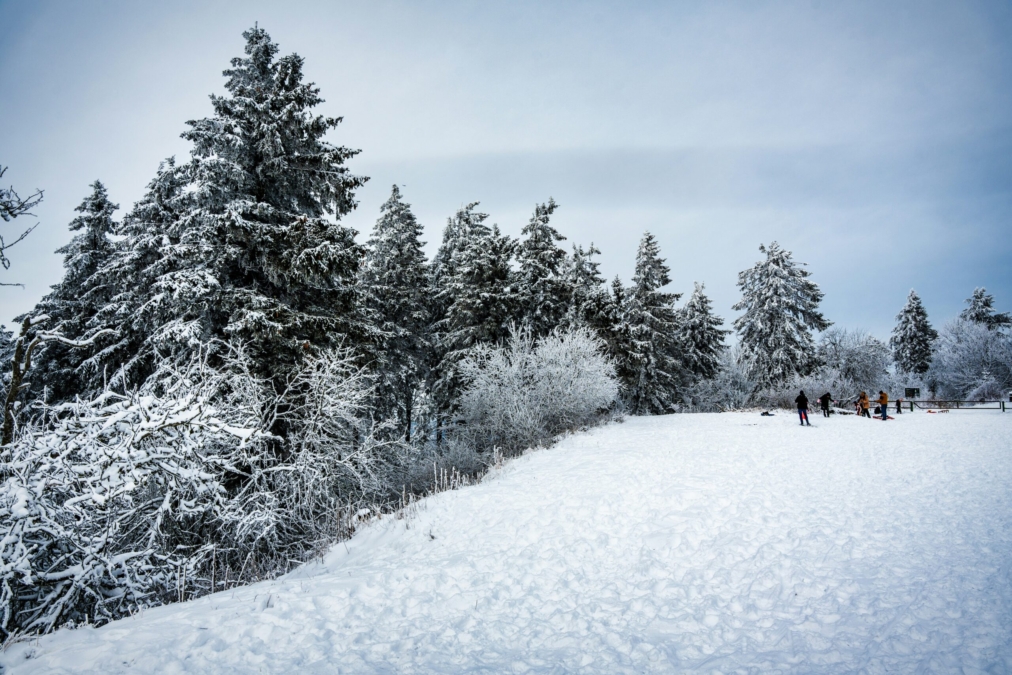
The Snow Forecasting Winter Guide makes understanding snow patterns simple and reliable. Winter storms are such severe weather conditions that can easily change a landscape that one knows into icy and snowy conditions. When the temperature decreases, and the moisture accumulates, these storms may pose dangerous situations which influence everyday life. It is necessary to understand what to expect in order to remain safe and prepared.
Snow forecasting is crucial in forecasting the occurrence, intensity and effectiveness of winter storms. It is the meteorologists who determine the spots where the snow will fall based on the patterns of temperature, the amount of moisture available, and the position of the storms. This knowledge can assist the communities to make wise decisions ahead of the arrival of dire weather.
Correct forecasting of winter storms is vital in averting inconveniences and security of the population. Whether the planning of traveling or even the preparation of homes or business, timely updates enable people to respond well. The individuals are able to safeguard themselves and their family better in severe conditions of winter with the appropriate information.
What Is a Winter Storm?
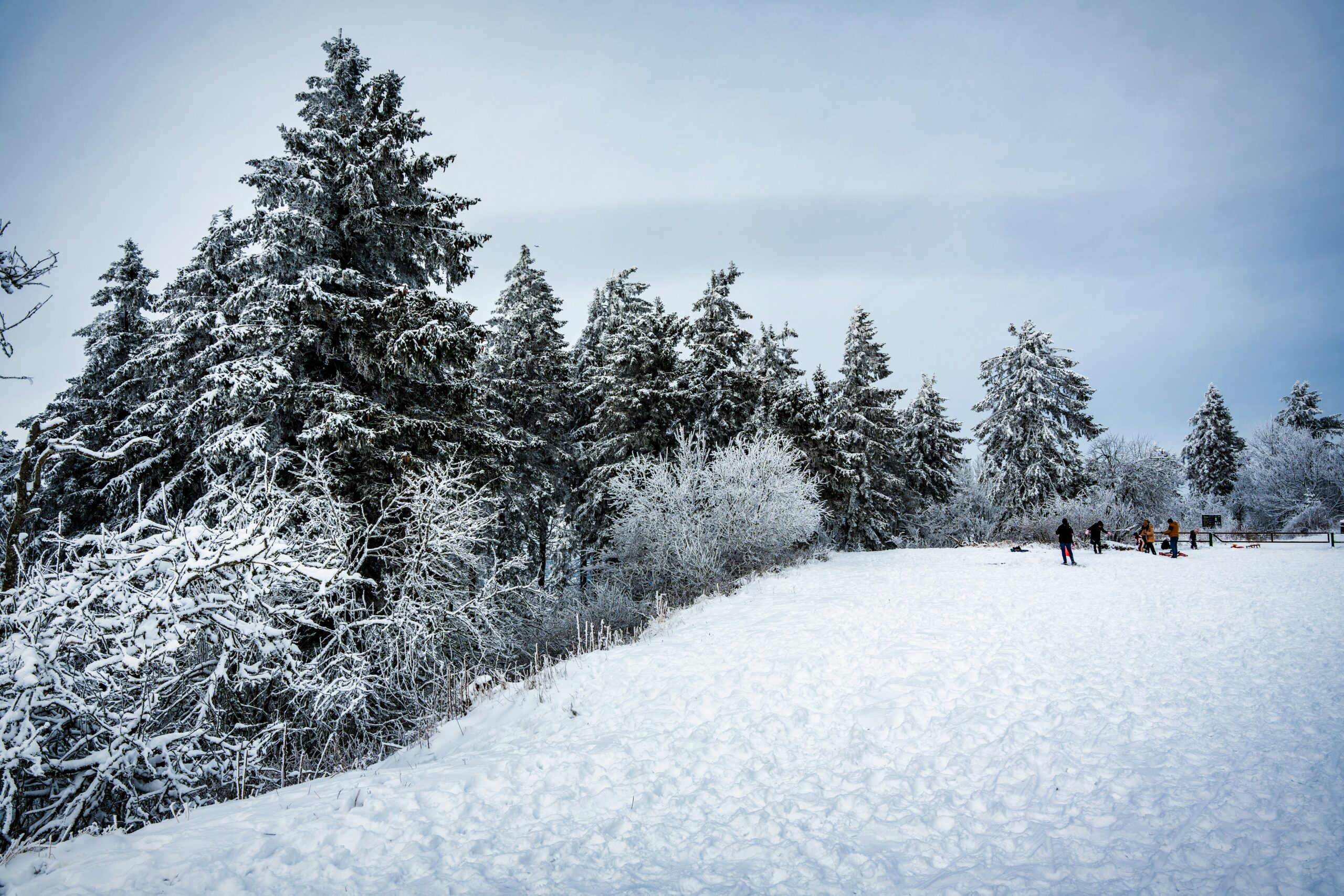
A winter storm is a weather condition that is marked by heavy snowfall, strong wind, freezing rain or sleet. Such storms are common and usually take place when the cold Arctic air combines with warm and moist southern air to form strong storms that would cause considerable amount of snow. A winter storm can be a few days or a couple of hours depending on its intensity.
How Snow Forecasting Works
Prediction of snowstorms is accomplished by meteorologists with a composite of weather models, satellite images and radar information. Your go-to Snow Forecasting Winter Guide for tracking snow, storms, and seasonal changes. Stay ahead of storms with our complete Snow Forecasting Winter Guide.
1. Temperature Levels
The snow is formed in cases where the surface temperatures and atmospheric temperatures are freezing or below the freezing point. Any minor alterations may affect the falling of precipitation in the form of snow, sleet, or rain.
2. Moisture Availability
Weather systems pull moisture from oceans or lakes and cause heavy snowfall, especially in areas where lake-effect snow occurs.
3. Storm Track
The route of a storm will decide the regions that will be covered with snow. Even a 20-50 miles change would cause a significant shift in the amount of snowfall.
4. Wind Patterns
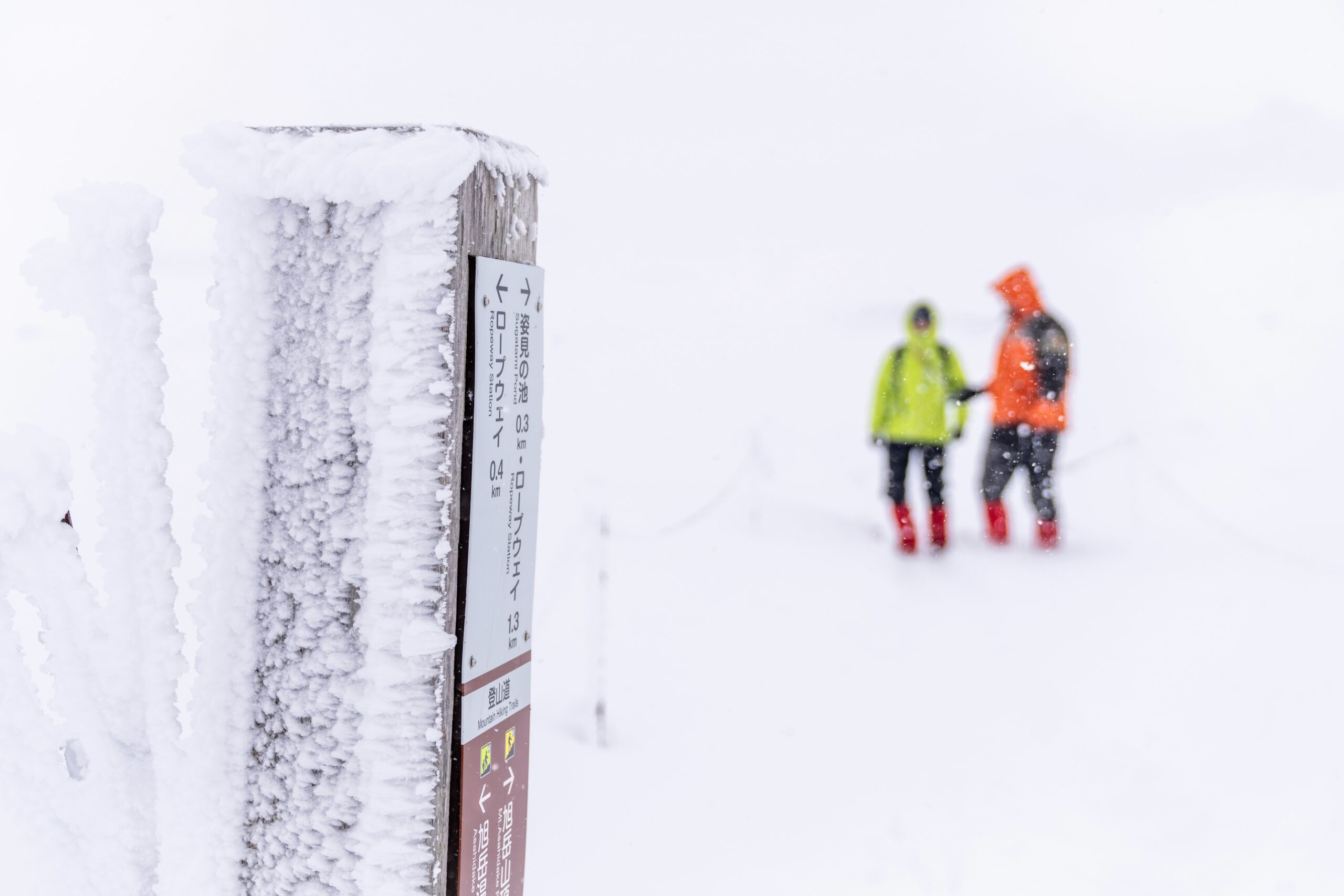
Forecasters use wind direction and speed to predict where snow will fall and whether blizzards or snowdrifts may form.
Through these factors, forecasters give in-depth evidence of the amount of snow to fall several hours or days before it actually falls.
Winter storm warns can be of the following types
depending on the intensity of the storm, weather agencies issue various alerts:
Winter Weather Advisory
Issued in situation where there is a light to moderate snow that may affect travel.
Winter Storm Watch
Giving a notice of possible heavy snow, ice or hazardous weather conditions in 24-48 hours.
Winter Storm Warning
The amount of snow or ice is likely to be of great danger and is issued when a large amount of snow or ice is anticipated.
Blizzard Warning
Their release is in the case of strong winds and heavy snows that form near zero visibility and life-threatening conditions.
These notifications will assist communities in preparing and making the required precaution.
Effects of Winter Snowstorm
Winter storms may affect all the spheres of life:
Transportation Delays
The snow-covered roads and the icy highways lead to traffic jam, accidents and cancellations of the flights.
Closures in School and Business.
When the snow is significantly high it can be shut down temporarily to maintain safety.
Power Outages
Accumulation of ice on power lines may interfere with power.
Health Risks
Without appropriate precaution, cold temperatures can lead to frostbite, hypothermia or any other cold-related diseases.
Preparation Guide: Winter Storm
One needs to remain alert. Some safety tips include:
Prepare additional blankets, warm clothing and emergency supplies in the house.
Precharge all the electronic devices.
Do not use unnecessary travel during a snowy season.
Buy basic grocery and pharmaceutical supplies.
Keep abreast with sound weather forecasts.
Good preparation will minimize the risks and comfort in the frozen winter.
Conclusion
Forecasts of winter storms in the form of snow are very important in keeping people updated and out of danger. Through learning how the meteorologists forecast the occurrence of snow and the possible effects of winter storms, people and communities can be able to prepare. Weather in winter can be gorgeous, however, it is necessary to respect its power and think about it.
Frequently Asked Questions
What is the most accurate snow predictor?
OpenSnow is your trusted source for the most accurate forecast, snow report, and severe weather maps.
Is snowfall hard to predict?
Snowfall amounts can vary a lot during storms and can be difficult to forecast, especially 2 – 3 days before the storm.
How do I know if snow is coming?
Learn how to set a barometer and how to read a weather map in order to track changing weather conditions for yourself. Typically, falling atmospheric pressure signals coming precipitation. If air temperatures are right, precipitation will fall as snow (typically between -2° and 2°C or 28° and 35°F).
What makes 90% of snow?
Because snow is comprised of 90 to 95 percent trapped air, it means it’s a great insulator. This is the reason many animals burrow deep into the snow during winter in order to hibernate.
How warm is too warm for snow?
Snow forms when the atmospheric temperature is at or below freezing (0°C or 32°F). If the ground temperature is at or below freezing, the snow will reach the ground. However, the snow can still reach the ground when the ground temperature is above freezing if the conditions are just right.