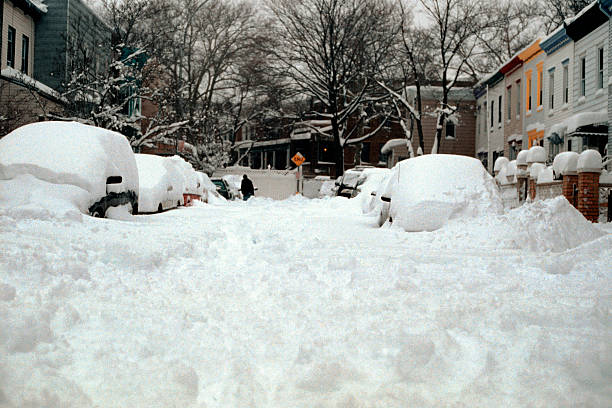
The winter season is usually exciting and unpredictable, particularly among students, parents and school administrators. The snowy weather can ruin the routine and cause unexpected school closings. Predict Your Snow Day with accurate weather insights. The awareness of the occurrence of a snow day assists the family in making prearrangements and eliminates the last minute misunderstandings.
A Snow Day Predictor is an online app that predicts the likelihood that snowy weather will close a school. It allows users to have a predictive insight into the future by evaluating forecast data and local conditions as opposed to just making a guess. Such instruments have gained popularity in the areas which are highly affected by snowstorms.
Snow day predictors have useful information with readily available forecasts and sophisticated weather models. Although they cannot be sure of any closures, they assist users to be aware of the chances of a snow day and make the necessary arrangements.
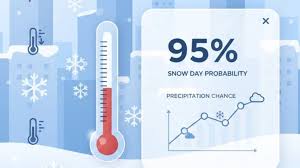
What Is a Snow Day Predictor?
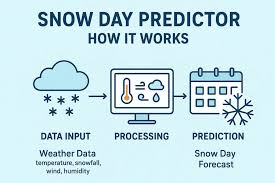
Online calculator or a forecasting tool is a Snow Day Predictor to predict the possibility of a snow day closing. It applies weather data including the amount of snowfall, temperature, speed of wind, and when the storm occurred. There are also predictors which take into account the historical patterns of closing of particular school districts.
Students who are fond of updates, parents planning the childcare and even teachers monitoring of weather patterns often use these tools. Users are provided with an estimate that is based on data rather than rumor or speculation through social media.
The predictor of a Snow Day
There are various weather conditions used in snow day predictors:
Snowfall Amount
When the amount of snowfall becomes high, the likelihood of a closure is very high. The forecasts tend to be concerned with the accumulation at night, and this influences the morning travel.

Temperature and Ice Risk
Snow may freeze to form ice during the time of freezing, which leads to unsafe conditions in the roads. A threat of ice is a heavy burden to predictions.
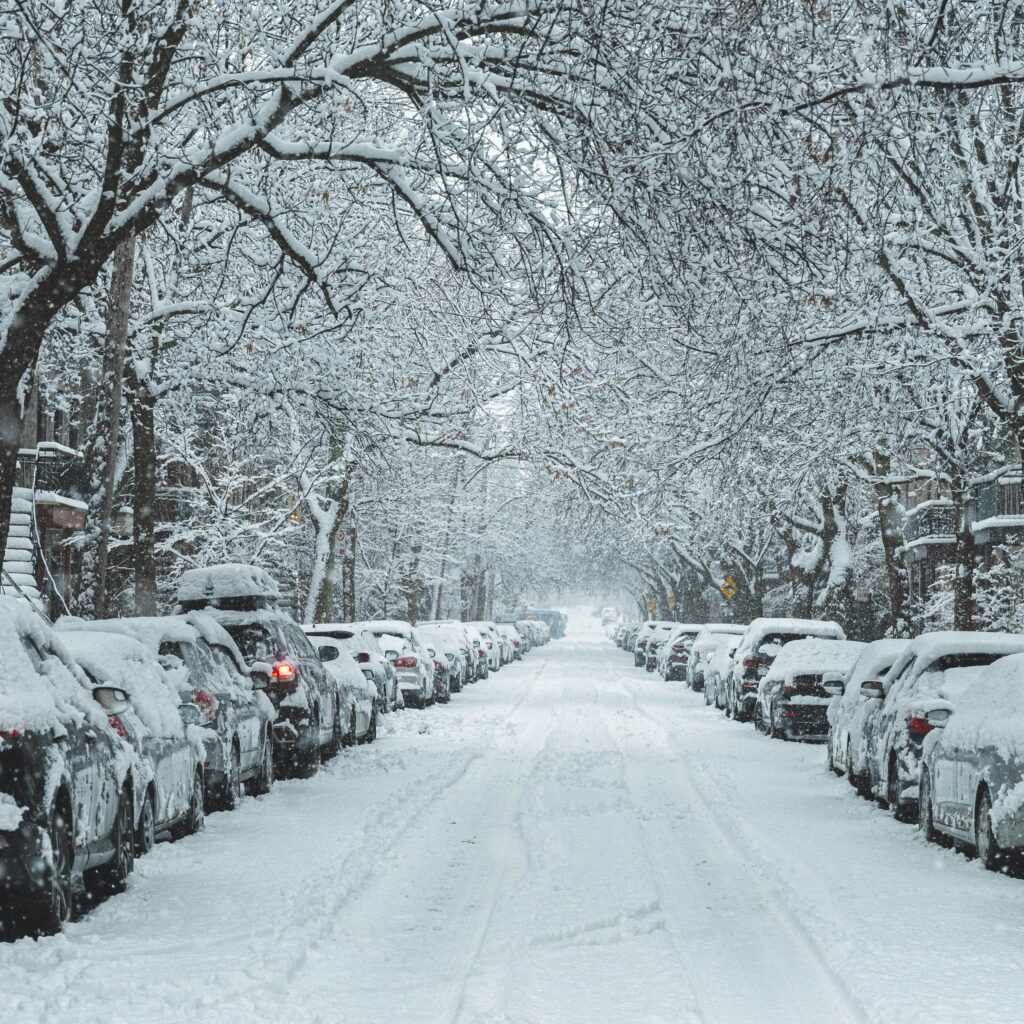
Storm Timing
There is a high likelihood that the storms that occur overnight or in the early morning hours will result to closures in contrast to those that begin in the later hours of the day.
Wind and Visibility
The heavy winds may form drifting snow and whiteout which heightens the safety risks even when there are moderate amounts of snow.
It is these elements that are combined to produce a percentage or a likelihood score by the predictor.
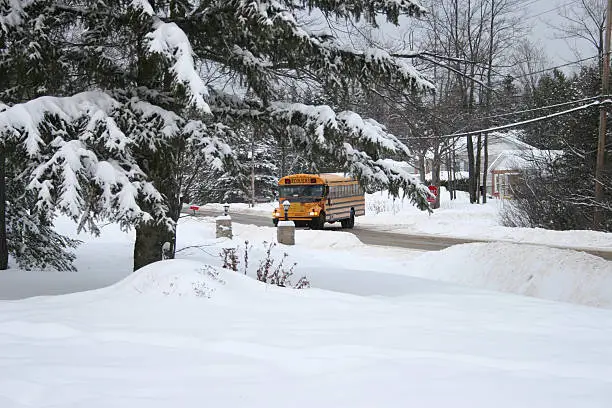
Advantages of a Snow Day Forecaster
A snow day predictor has a number of pluses:
- Arranges work and childcare with parents.
- Provides students with the opportunity to plan schedules.
- Lessens the confusion in case of winter storms.
- Gives a realistic expectation as opposed to speculations.
In areas where winter weather interruptions are common among the people, these devices bring comfort and direction.
Accuracy and Limitations
Snow day predictors are useful but they are not formal decision-making tools. The closures of schools are based on district policies, the state of roadway, personnel, and their safety inspection. There is a possibility of a predictor estimating a high probability of closure though end decisions are left to the school officials.
Weather conditions are also subject to changes and can also be very dynamic. To be the most effective, the predictors of a snow day must be applied together with the reliable local weather reports.
When to Check a Predictor of Snow Day
Users should check a snow day predictor 12–24 hours before a predicted storm. Rechecking closer to the event gives users the opportunity to review other predictions that update based on recent data. A lot of users are tracking the trends, as opposed to having a single result.
Conclusion
Snow Day Predictor is a good application to predict when school is going to be closed during winter season. It is using informed estimates based on the snowfall, temperature, time of the day and the intensity of the storm to equip the families in case they have to get ready. These predictions are not a sure thing, but they provide a great deal of useful information when there is uncertainty about the winter conditions, and the snow days become more manageable.
Frequently Asked Questions
How accurate is a snow day predictor?
A snow day predictor provides an estimated chance, not a guarantee. It uses weather forecasts, snowfall amounts, and temperature data to calculate probability. Accuracy improves as the storm gets closer. Final decisions always depend on school district policies and road conditions. It should be used as guidance, not confirmation.
When should I check a snow day predictor?
The best time to check a snow day predictor is 12 to 24 hours before the expected storm. Forecasts become more reliable closer to the event. Many users check multiple times as weather data updates. Tracking trends gives a clearer picture. Early checks help with planning.
What factors determine a snow day?
Snow days depend on snowfall amount, icy conditions, wind, and storm timing. Overnight storms increase the chance of closures. Road safety and bus route conditions are critical. School staffing and local policies also matter. Weather alone does not decide closures.
Can a snow day predictor predict delays as well as closures?
Yes, many snow day predictors estimate both delays and full closures. Lower snowfall amounts often result in delays rather than closures. Ice and freezing rain increase the likelihood of delays. Results are usually shown as a percentage. Always confirm with official school announcements.
Are snow day predictors free to use?
Most snow day predictors are free and accessible online. Some advanced tools may offer extra features or apps. Free versions still provide useful insights. They rely on publicly available weather data. Users can access them without registration.
Do snow day predictors work for all locations?
Snow day predictors work best in regions that experience regular winter storms. Accuracy may vary based on available local weather data. Urban and rural areas can have different results. Some tools allow users to select their specific school district. Local customization improves reliability.